Drama

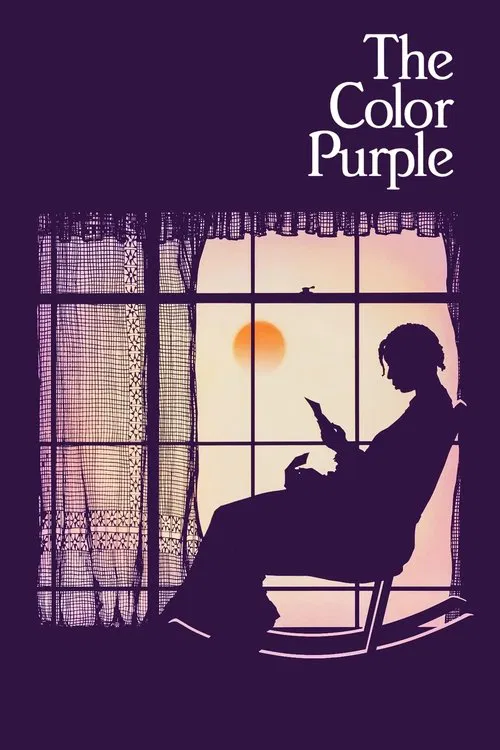
The Color Purple

Steven Spielberg, 1985

In early 20th century rural Georgia, a young Black woman named Celie is abused by her father and then by the man she is married to. Over decades, through her sister's letters and a singer named Shug, she finds her own voice. It is Spielberg at his most emotional.

The Color Purple (1985) poster

At a glance

The Color Purple is a 1985 drama film directed by Steven Spielberg. This breakdown covers 4 techniques (1 editing, 1 psychology and 2 narrative), each with the scene where you can see it. If you like how it is made, 3 Idiots uses several of the same techniques.

Editing

Intercut Documents

Cutting between a letter or interview and the scenes it describes. The words and images play against each other.

How this film uses it

Celie's sister Nettie writes to her, but Mister hides the letters. When Celie finds them, the film takes you to Nettie's world far away. The letters are Celie's only window onto a life she thought was lost.

Where to see it

The discovery of the hidden letters. Celie and Shug search Mister's house and find Nettie's letters under the floorboards, and Celie learns her sister has been writing for years.

Psychology

Personal Awakening Arc

Showing a character coming to recognize their own worth or voice, often through contact with someone who contrasts with them. The change is internal before it is visible.

How this film uses it

At the start Celie hardly speaks and puts up with abuse. Sofia refuses to be beaten and Shug becomes her friend. Slowly Celie finds the nerve to say no, and at a family gathering she stands up to Mister.

Where to see it

The family gathering. Celie stands up to Mister and then leaves with Shug and Grady.

Narrative

Sentimental Realism

Showing real social hardship and personal failure honestly while still letting love, grief and community matter. The film is openly emotional without pretending things are easy.

How this film uses it

The film shows abuse and poverty honestly, but it also lets love, family and friendship matter. Some critics called it too sentimental. Others praised the acting, especially Whoopi Goldberg's debut.

Where to see it

Celie's years in Mister's house. The hardship is shown plainly, and the friendships with Shug and Sofia still carry real warmth.

Narrative

Earned Catharsis

Building up to a big emotional release slowly, by investing in the characters and giving small bits of hope. When the release comes, it feels deserved after all the suffering.

How this film uses it

Celie suffers for decades before things change. When Nettie and her children return from Africa, the release feels deserved. After so much loss, you are ready for the reunion.

Where to see it

The final reunion. Celie, now with her own tailor shop, is reunited with Nettie and her children.

Questions

The Color Purple: quick answers

What filmmaking techniques does The Color Purple use?
CineCode breaks down 4 techniques in The Color Purple (1985): Intercut Documents, Personal Awakening Arc, Sentimental Realism and Earned Catharsis.
Who directed The Color Purple?
Steven Spielberg directed The Color Purple, released in 1985. CineCode also covers Duel (1971), Jaws (1975), Close Encounters of the Third Kind (1977), 1941 (1979), Raiders of the Lost Ark (1981), E.T. the Extra-Terrestrial (1982).
What films are similar to The Color Purple?
Films that share techniques with The Color Purple include 3 Idiots (2009), The Outsiders (1983), Invictus (2009), The Shawshank Redemption (1994).