A bamboo cutter finds a tiny girl in a glowing bamboo shoot and raises her as a daughter. When she grows up, the family moves to the capital, where suitors line up and a life of rules closes in. Takahata's last film looks like a moving watercolor sketch.
The Tale of the Princess Kaguya is a 2013 animation, fantasy and drama film directed by Isao Takahata. This breakdown covers 5 techniques (2 cinematography, 1 editing and 2 narrative), each with the scene where you can see it. If you like how it is made, Grave of the Fireflies uses several of the same techniques.
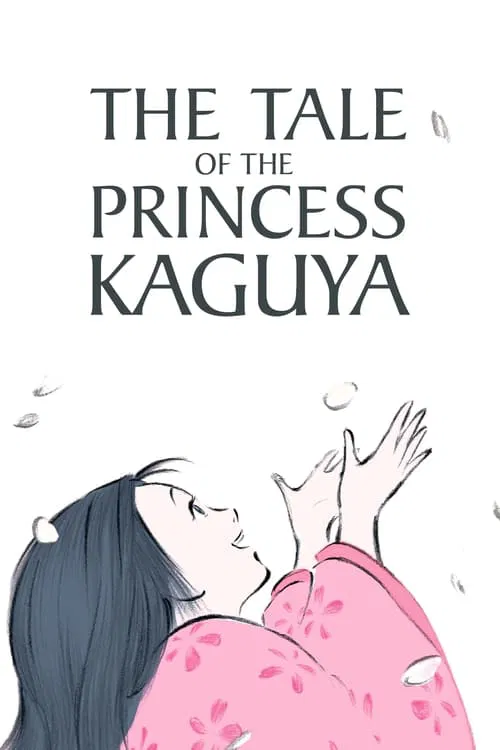
Keeping the handmade look of traditional animation, including slightly uneven pencil lines and visible brushwork in the backgrounds. The small imperfections make the image feel warm and human.
How this film uses it
The film keeps stray pencil lines and color bleed in the image. Kazuo Oga painted the watercolor backgrounds, and Takahata wanted viewers to fill in reality from the drawings. The rough edges make it feel like a living sketchbook.
Where to see it
The countryside scenes. Kaguya plays with the village children in a world drawn with loose, uneven lines.
Using animation, for a whole film or for short sequences inside live action, to make emotions hit harder. Drawn images can show inner feelings that realistic footage can't reach.
How this film uses it
In the film's famous run, the drawing gets rougher as Kaguya's panic grows. The lines turn wild and sketchy. You feel her fear without being told.
Where to see it
The flight from the party. Kaguya overhears guests mocking her father and runs out into the mountains.
Repeating one shape or image, such as circles, an X or a fragile natural sight, throughout the film. Each return adds meaning and quietly signals themes or fate.
How this film uses it
The moon comes back as a quiet sign of where Kaguya truly belongs. Seeing it makes her sad, and you know something is coming. By the end it has become a symbol of loss and fate.
Where to see it
The full moon night. A procession from the moon arrives to take Kaguya back, and she looks back at Earth.
Ending the film with one character leaving while the others stay behind. The exit shows what staying costs the rest.
How this film uses it
Kaguya leaves her family and her friends on Earth. A robe erases her memories as she goes, and she weeps as she looks back. The ending shows what staying costs those left behind.
Where to see it
The farewell. A moon procession arrives, and Kaguya says goodbye to her parents before she departs.
Shaping the story with fairy tale elements such as quests, enchanted figures and moral tests, or letting them break into a realistic world.
How this film uses it
The story is adapted from an old Japanese folktale about a girl found in a bamboo shoot. It has a magical birth, impossible tasks for suitors and a return to the moon. The film uses those pieces to ask what a good life is.
Where to see it
The suitors' tasks. Five noblemen court Kaguya, and she sets each an impossible task.
Questions
The Tale of the Princess Kaguya: quick answers
What filmmaking techniques does The Tale of the Princess Kaguya use?
CineCode breaks down 5 techniques in The Tale of the Princess Kaguya (2013): Hand-Drawn Texture, Animation as Emotional Amplifier, Recurring Visual Motif, Departure Ending and Fairy Tale Structure.
Who directed The Tale of the Princess Kaguya?
Isao Takahata directed The Tale of the Princess Kaguya, released in 2013. CineCode also covers Grave of the Fireflies (1988).
What films are similar to The Tale of the Princess Kaguya?
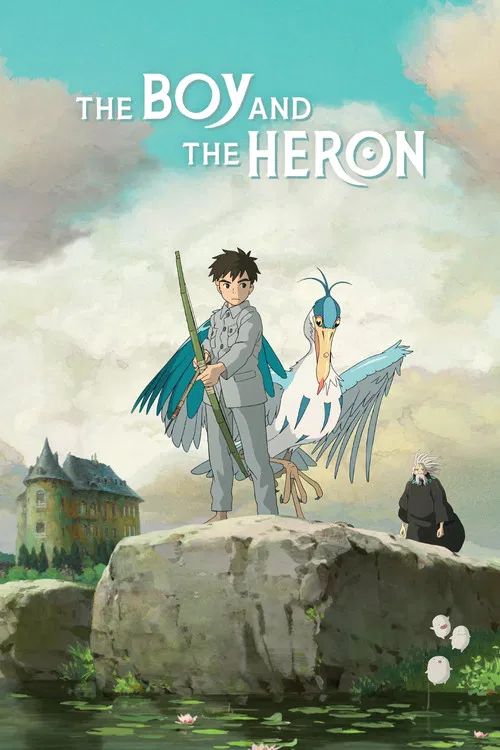
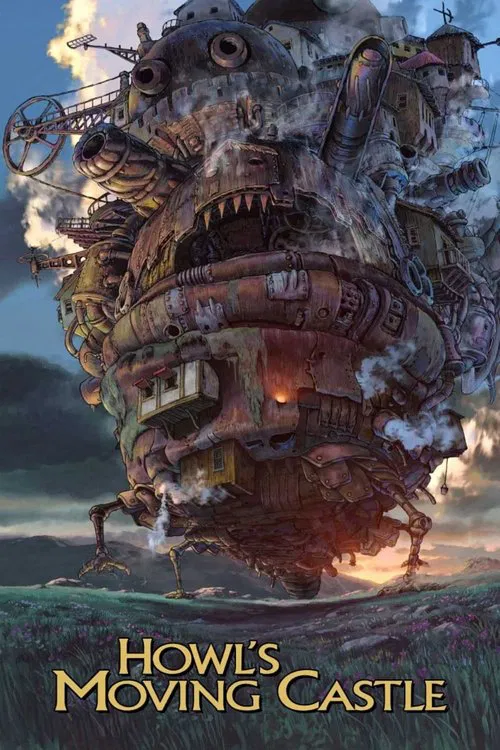
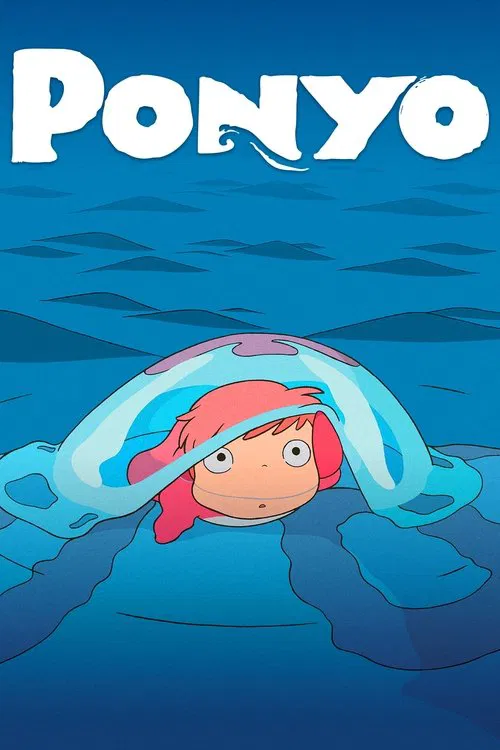
Films that share techniques with The Tale of the Princess Kaguya include Grave of the Fireflies (1988), The Boy and the Heron (2023), Howl's Moving Castle (2004), Ponyo (2008).