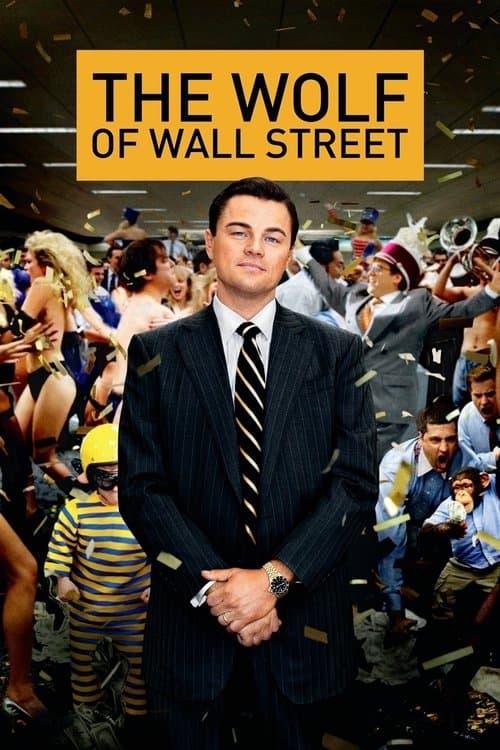
The Wolf of Wall Street
Martin Scorsese · 2013
Jordan Belfort rises from a Long Island stockbroker to the founder of a corrupt investment firm, spending a decade in a pharmaceutical and financial frenzy before his inevitable collapse. Scorsese's three-hour act of moral seduction deliberately makes the audience enjoy the excess it should condemn.
Techniques Used
5 techniques identified in this film
Voiceover as Seduction
NarrativeA first-person voiceover that draws the audience into complicity with the narrator — making the listener like, understand, and temporarily adopt the perspective of someone they should be judging.
How this film uses it
Jordan Belfort's voiceover is a sales pitch addressed to the audience. He explains his schemes with the enthusiasm of a man who loves what he does, and Scorsese makes him persuasive — the film's ethical challenge is that by the time you dislike Jordan, you have already enjoyed everything he did.
Direct Address
NarrativeA character speaking directly to the camera — collapsing the boundary between the film's fictional world and the audience's real one, making the viewer complicit in or accused by what they observe.
How this film uses it
Belfort breaks the fourth wall repeatedly — explaining financial schemes, introducing characters, correcting himself mid-sentence. The direct address positions the audience as Jordan's confidants rather than the film's moral adjudicators, implicating them in the pleasure of his crimes before they can establish critical distance.
The Party as Transgression
NarrativeStaging parties or celebrations as spaces where institutional authority and social codes temporarily collapse — and where characters reveal who they are when the structures that constrain them are suspended.
How this film uses it
The Stratton Oakmont office parties are the film's moral centerpiece: space where the market's rules are inverted, where everyone who sells financial fictions all day publicly enacts the reality those fictions conceal. The parties are not excess for its own sake — they are the film's argument about what financial capitalism actually is.
Pop Music Needle Drop
SoundPlacing a pre-existing popular song at a precise moment in a film — using the song's cultural associations, lyrical content, or emotional charge to recontextualize the scene and generate ironic or thematic meaning.
How this film uses it
Scorsese's soundtrack performs moral commentary that the film's perspective cannot — Matthew McConaughey's chest-beating hum, the Rolling Stones, the hip-hop scoring excess. The music choice is always ironic: songs that celebrated freedom or pleasure are deployed to score sequences that show the costs of both.
Tracking Shot Choreography
CinematographyExtended camera movements choreographed to follow characters through environments — turning the camera's sustained motion into a performance of the character's power, momentum, or psychological state.
How this film uses it
Scorsese tracks through the Stratton Oakmont trading floor, through parties, through the yacht's rooms — the camera's mobility matching Belfort's own kinetic energy. The tracking shots do not simply follow; they aestheticize, the camera's enthusiasm for Jordan's world a formal statement about the seduction of wealth.
You Might Also Like
Films that share at least one technique with The Wolf of Wall Street
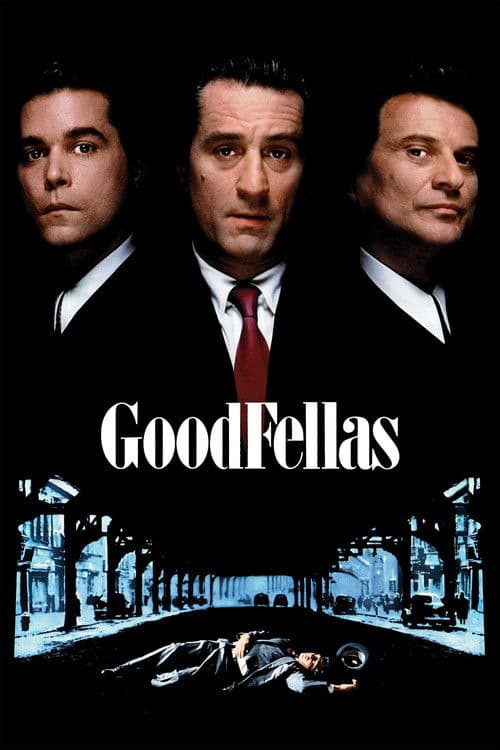
A young man grows up inside the Lucchese crime family, ascending through the ranks until the lifestyle of violence and paranoia consumes everything around him. A propulsive deconstruction of organized crime's seduction that implicates the audience in the pleasure before showing the cost.
Goodfellas
Martin Scorsese · 1990
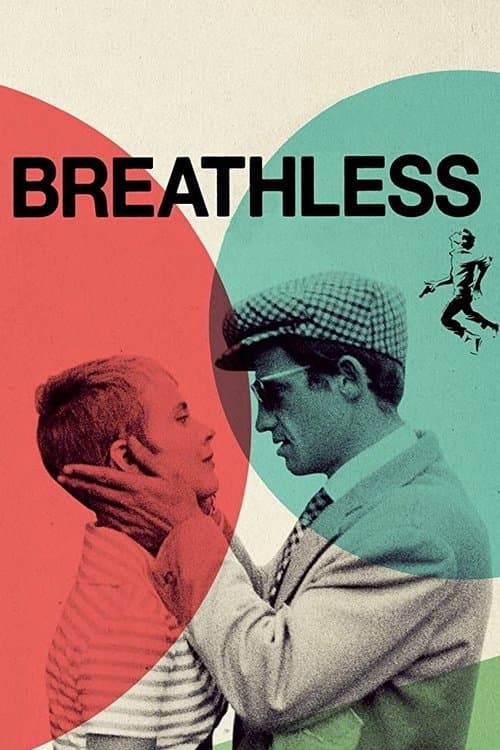
A small-time car thief kills a policeman and hides in Paris with an American student he wants to persuade to run to Italy with him. Godard's debut invented the French New Wave's formal vocabulary and remains the most influential film of the 1960s.
Breathless
Jean-Luc Godard · 1960
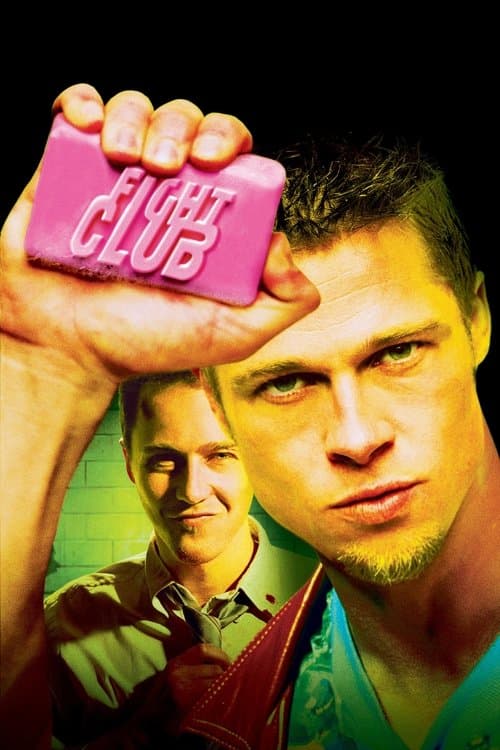
An insomniac office worker and a charismatic soap salesman form an underground fight club that evolves into something far more dangerous. A critique of consumer masculinity that implicates the viewer in its protagonist's pathology.
Fight Club
David Fincher · 1999