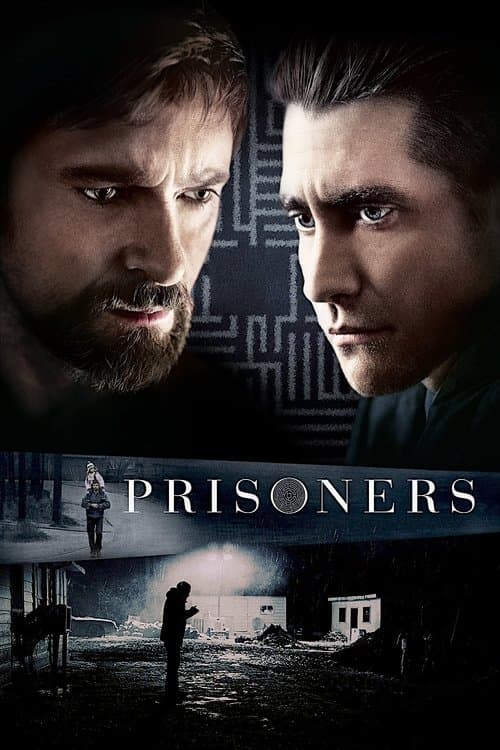
Prisoners
Denis Villeneuve · 2013
Two young girls disappear on Thanksgiving Day, and one father — unable to wait for the detective's investigation — takes justice into his own hands. A film about how quickly the desire to protect can become indistinguishable from the violence it opposes.
Techniques Used
4 techniques identified in this film
Forensic Inference Narration
NarrativeA narrative structure built around a detective's process of reasoning from evidence to conclusion — the audience assembling the same clues at the same time, the investigation as the story's spine.
How this film uses it
Detective Loki's investigation is the film's rational thread: the maze tattoo, the box of clues, the connection between cases. Villeneuve gives the audience exactly what Loki has — no more. The film's horror is that Loki is right about almost everything except the one thing that matters until it's almost too late.
Near-Miss Tracking Structure
EditingBuilding narrative tension from sequences in which the protagonist and the answer they seek almost intersect but never quite meet — proximity without contact sustained as the film's primary dramatic instrument.
How this film uses it
Loki comes within inches of the solution multiple times. He interviews the right people in the wrong order. He misses clues by seconds. The girls are found with minutes to spare. Villeneuve structures the entire film as a sequence of near-misses that make the audience understand how close to tragedy the ending came, even as it arrives as rescue.
Desaturated War Palette
CinematographyA color palette stripped of warmth and saturation — gray skies, cold blues, muted browns — that positions a film's world as one from which hope and comfort have been removed.
How this film uses it
Roger Deakins photographs the film's Pennsylvania suburb in perpetual gray. The sky is always overcast. The trees are bare. The interiors are lit with flat, cold light. The palette makes the community's normalcy feel fragile — the color of a world from which something essential has been removed and has not yet returned.
The Bomb Under the Table
NarrativeGiving the audience information that characters lack — showing us the danger they cannot see — so that ordinary scenes become unbearable with dramatic irony.
How this film uses it
We see Keller Dover's captive in the apartment long before Loki does. We know what Keller is doing; we watch him interact with Detective Loki without Loki knowing. The film gives us knowledge that makes every scene between them a test of how long this can continue before the truth emerges — Hitchcock's purest dramatic tool applied to a contemporary thriller.
You Might Also Like
Films that share at least one technique with Prisoners
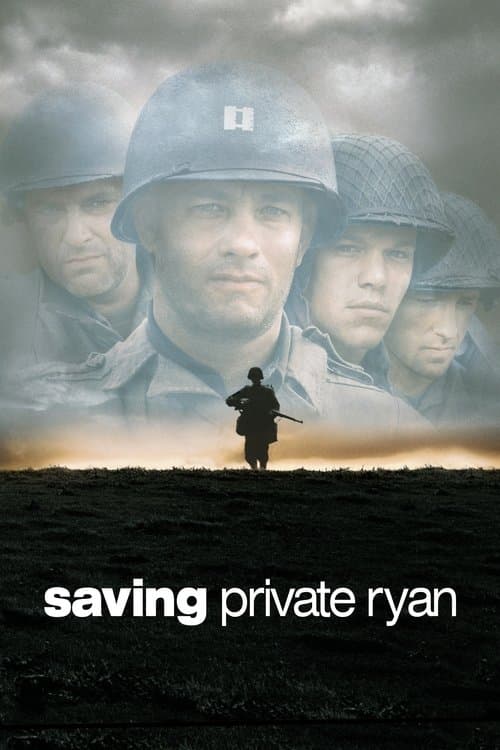
A squad of soldiers is sent behind enemy lines after D-Day to retrieve the last surviving son of a family that has lost four boys in the war. The film's opening twenty-four minutes are the most viscerally honest depiction of combat ever committed to film.
Saving Private Ryan
Steven Spielberg · 1998
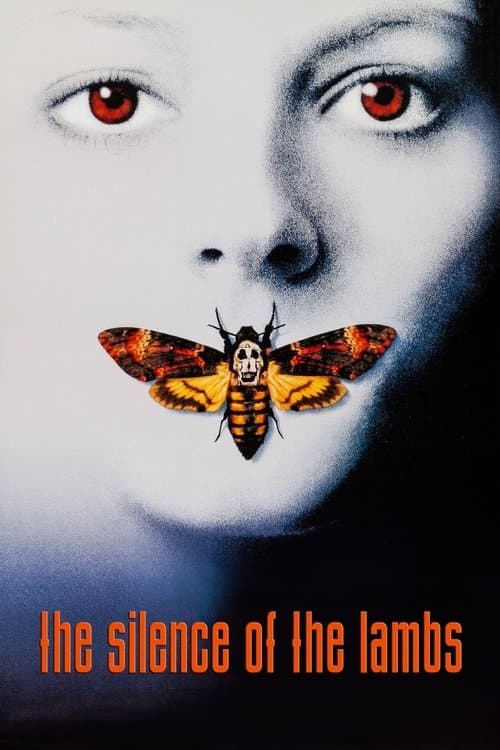
An FBI trainee is sent to interview a brilliant imprisoned cannibal to gain insight that might help catch a different serial killer, and a relationship of dangerous asymmetric exchange develops between them. A study of predation, institutional power, and the psychology of empathy used as a weapon.
The Silence of the Lambs
Jonathan Demme · 1991
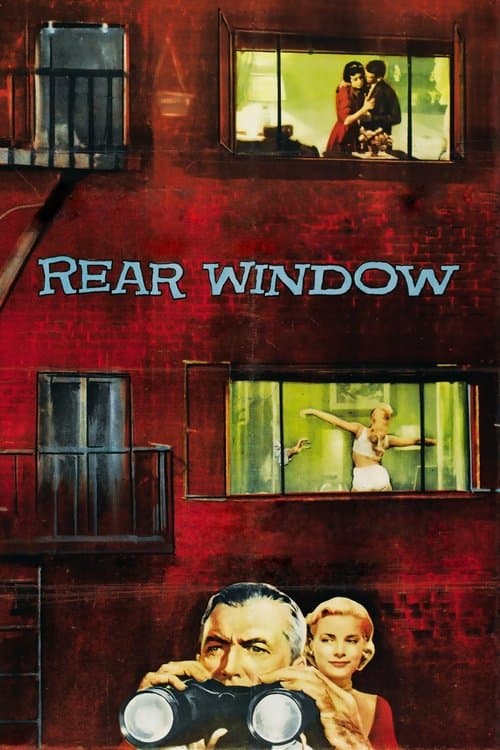
A photographer confined to a wheelchair by a broken leg spends his recovery watching his neighbors through his apartment window, becoming convinced one of them has murdered his wife. A film about voyeurism, cinema spectatorship, and the ethics of observation.
Rear Window
Alfred Hitchcock · 1954