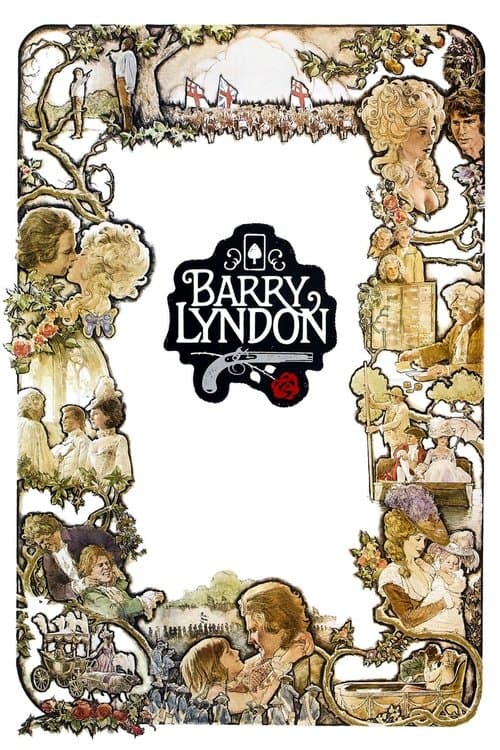
Barry Lyndon
Stanley Kubrick · 1975
An Irish rogue rises through 18th-century European society by charm, luck, and cunning — and loses everything he gained through arrogance, indolence, and cruelty. Kubrick's most formally beautiful film uses candlelight and narration to tell a story of hollow ambition.
Techniques Used
4 techniques identified in this film
Period Color Separation
CinematographyUsing color palettes historically grounded in a period's actual visual culture — painting, natural light, available materials — to make the film's world feel authentic rather than designed.
How this film uses it
Kubrick used a specially developed NASA lens to shoot by genuine candlelight, achieving interior images that resemble 18th-century oil paintings in their color temperature and shadow quality. The film's visual world is not reconstructed — it is genuinely illuminated as the period would have been, making every interior feel like a Hogarth or Gainsborough.
Retrospective Voiceover
NarrativeNarration delivered from a point after the events described, framing the narrative as history and giving even early scenes an elegiac retrospective weight.
How this film uses it
Michael Hordern's narration tells us Barry's fate before each sequence shows it — 'It was in these battles that Barry first tasted blood' — with an ironic detachment that makes every apparent triumph feel already hollow. The narrator is history itself, indifferent to Barry's self-regard, and the gap between Barry's self-image and the narrator's account is the film's comedy.
One-Point Perspective
CinematographyComposing shots with lines of perspective converging on a central point, creating a symmetrical visual world that emphasizes order, formality, or the institutional nature of the space.
How this film uses it
Kubrick composes Barry Lyndon's country estates, military formations, and gambling rooms with the formal symmetry of 18th-century painting. The one-point perspective makes the social world Barry infiltrates look like a theatrical set — beautiful, ordered, and available to someone willing to perform the right part.
Tragic Inversion Structure
NarrativeA narrative arc in which a character's defining qualities produce first their rise and then their ruin — the same traits causing the ascent that cause the destruction.
How this film uses it
Barry's charm, opportunism, and self-invention make him a successful soldier, spy, and social climber. Those same qualities — the inability to be satisfied, the cruelty that comes from insecurity, the failure to maintain what he wins — produce his complete downfall. The film's structure is a parabola: the qualities go up and then, unchanged, bring him down.
You Might Also Like
Films that share at least one technique with Barry Lyndon
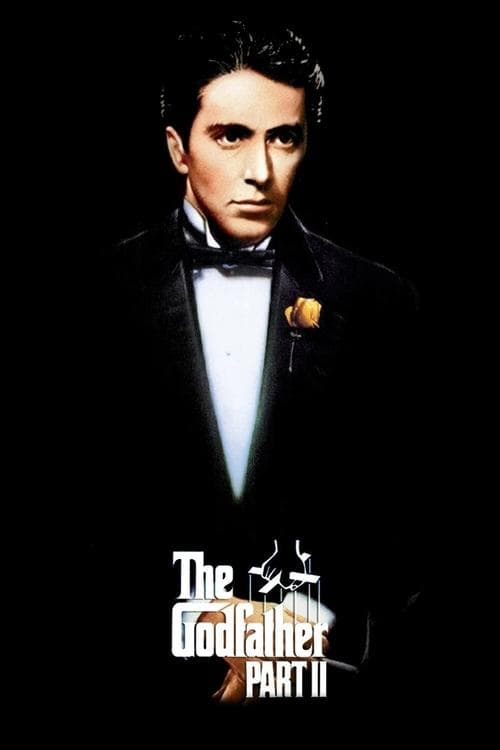
Michael Corleone consolidates and expands his criminal empire while the film intercuts with the origin story of his father's rise from Sicilian orphan to New York patriarch. A sequel that is simultaneously a parallel tragedy — the American Dream as a machine that devours what it builds.
The Godfather Part II
Francis Ford Coppola · 1974
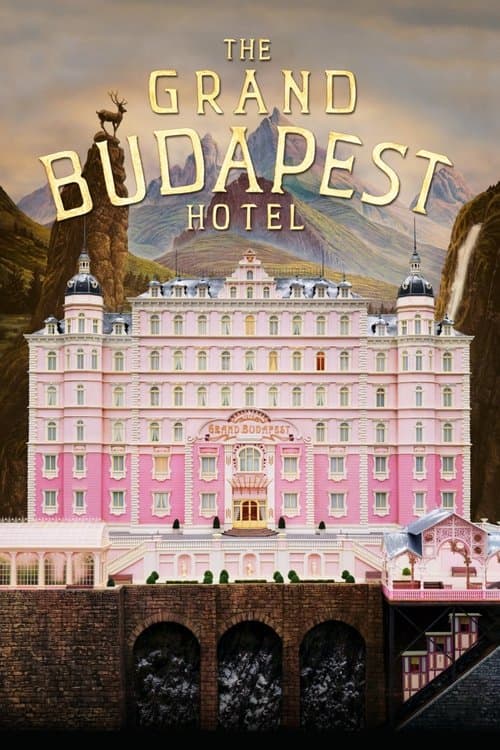
A legendary hotel concierge and his lobby boy are embroiled in the theft of a priceless painting and a family inheritance battle in a fictional European republic between the wars. Wes Anderson's most fully realized comedy uses nostalgia as a frame for examining what is lost when elegance is replaced by brutality.
The Grand Budapest Hotel
Wes Anderson · 2014
The legendary concierge of a grand European hotel is embroiled in the theft of a priceless painting and a murder accusation following the death of a wealthy patron, all recounted decades later by the lobby boy he trained. Anderson's most exuberant film uses the machinery of farce to make an argument about what civilization loses when elegance is replaced by brutality.
The Grand Budapest Hotel
Wes Anderson · 2014