The timeline is the puzzle
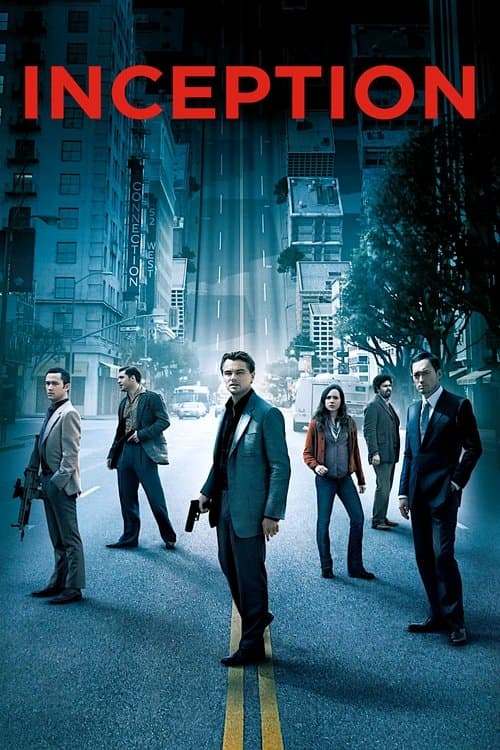
Nolan almost always messes with the order or the speed of time. Inception (2010) is the clearest case. There are 4 dream levels running at once, and time moves at a different speed in each one. In the last act, he cuts between the falling van, the hotel corridor, the snow fortress and Limbo. Something that happens on one level sets off something on another, so you're tracking cause and effect across layers.
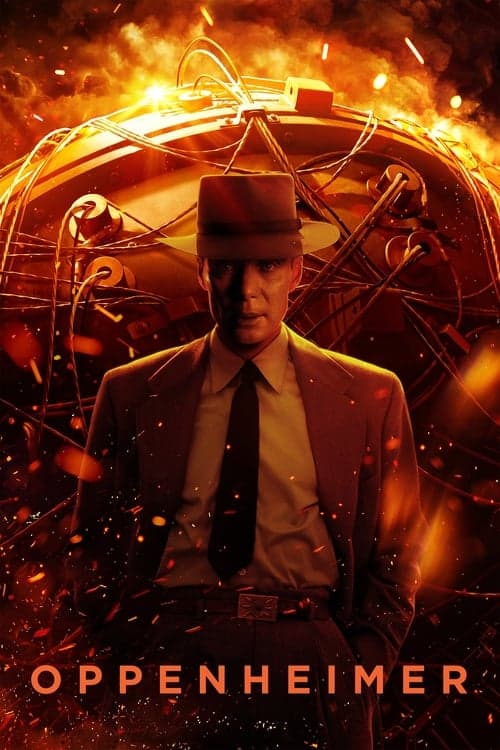
Oppenheimer (2023) uses color for Oppenheimer's own experience and black-and-white for Strauss's Senate hearing. A 1954 security hearing and a 1959 confirmation hearing play side by side, and the full picture only lands in the final minutes, when you learn Strauss misread a conversation with Einstein.
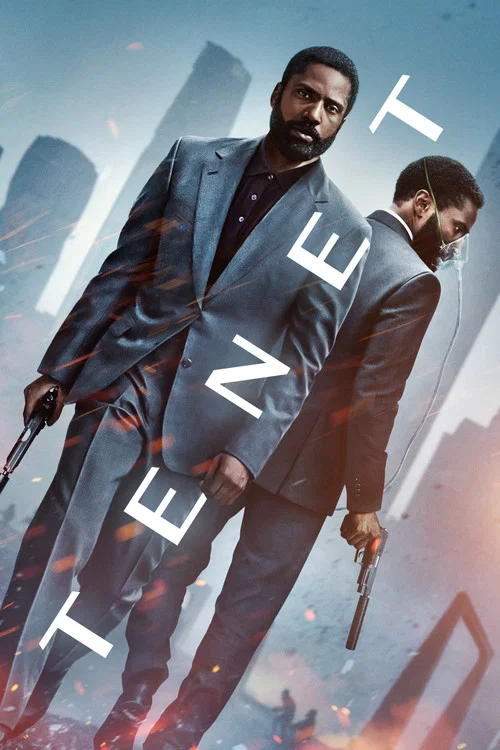
Tenet (2020) takes this as far as it can go. Characters live through the same events from opposite directions. In the opera house opening, a masked soldier saves the Protagonist, and a small trinket hangs from his pack. The film never replays that moment. At the end, you spot the same trinket on Neil's bag, and you rebuild the opening on your own. The Tallinn car chase goes further, with forward-moving and inverted cars sharing the same scene.
Physics that hurts
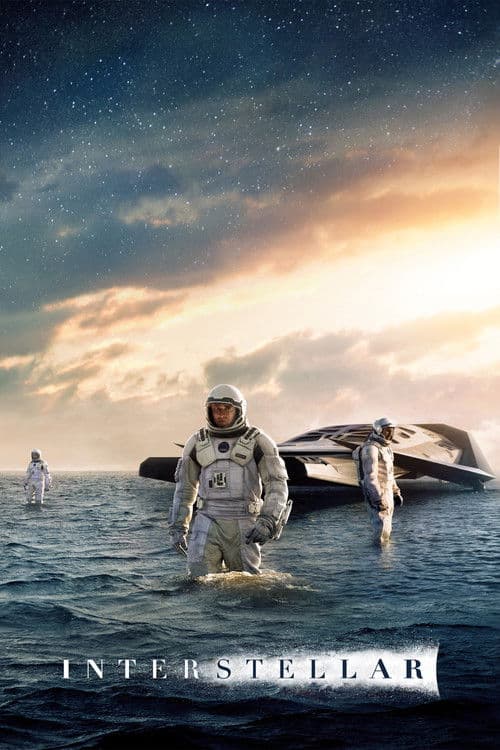
Nolan likes to take a hard rule of science and turn it into an emotional problem. Interstellar (2014) is where he does it best. On Miller's water planet, 1 hour equals 7 years back on Earth. Cooper goes down for what feels like a short trip. When he gets back to the ship, there are 23 years of video messages from his kids waiting for him.
There's no villain in that scene. Physics alone keeps Cooper away from his kids, which is why it's so hard to watch. Even the black hole Gargantua is based on a physicist's real equations. This is the one I'd start with if you only have time for one Nolan film.
Telling you the trick up front
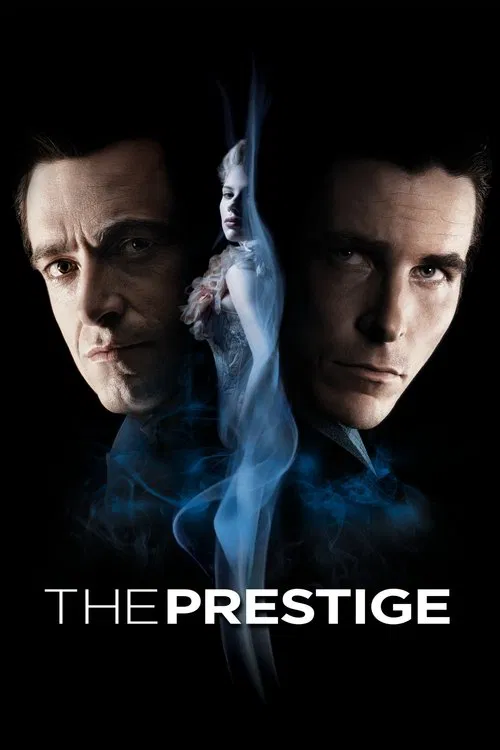
The Prestige (2006) opens with Cutter's voiceover explaining the 3 parts of a magic trick. The whole film then follows those 3 parts. You are told how it works in the first few minutes, and the film still gets you, because it makes you forget you were told. The diaries add to that. Angier reads Borden's diary without realizing Borden wrote it for an enemy to read, so you're getting the story through 2 men who are lying on purpose.
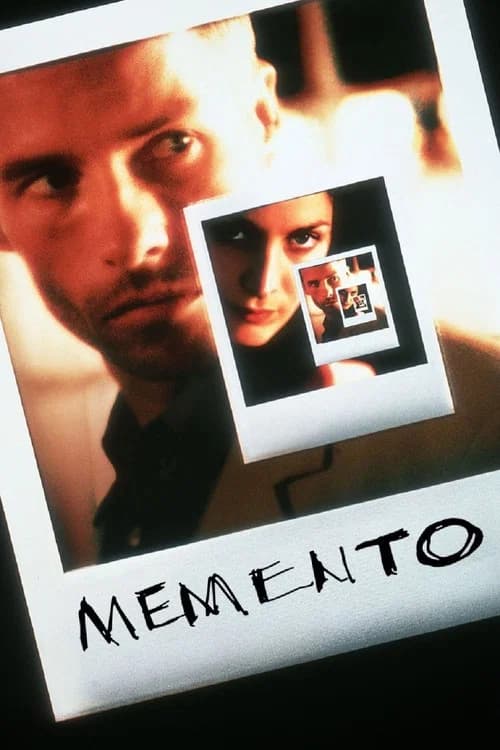
Memento (2000) is built on the same distrust of information. Leonard keeps his facts on Polaroids, notes and tattoos. Anyone who understands his condition can change those notes and change his reality. By the end, Teddy suggests Leonard may have found the killer already and chosen to forget.
Inception does a smaller version in its last shot. The spinning top was set up as a reliable test of what's real, and the film cuts away while it's still spinning.
Shooting big and shooting it for real
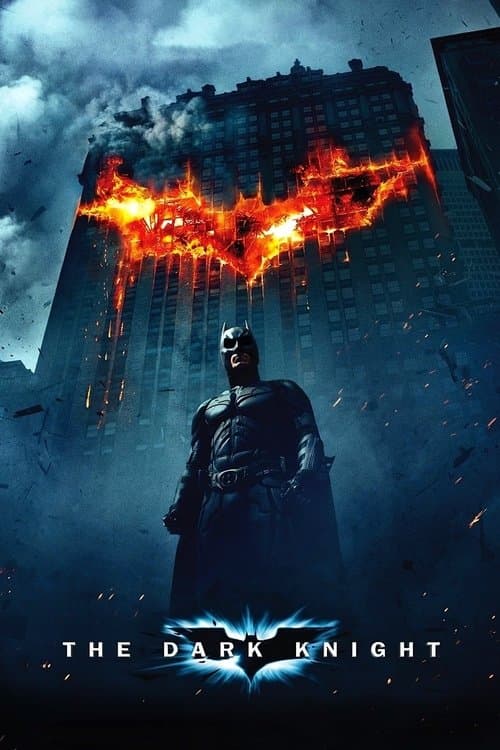
Nolan wants things to be physically there in front of the camera. In The Dark Knight (2008), 6 big sequences were shot on IMAX cameras. When one starts, the picture actually grows taller on the screen, from 2.39:1 to 1.43:1. The opening bank heist is the first one, and it tells you right away how big the film plans to be.
For Oppenheimer, Nolan shot the Trinity test on IMAX 65mm with real photographic and chemical effects, without CGI. There's silence first, then the fire, and the sound arrives late. He also uses that huge frame for faces. When Oppenheimer hears about Hiroshima, the camera stays on his face for a long time and he says nothing.
Interstellar did the same with sets. The Tesseract was built as a real set of bookshelves stacked in every direction, so Cooper and the camera are moving through an actual space.
Sound that works like a clock
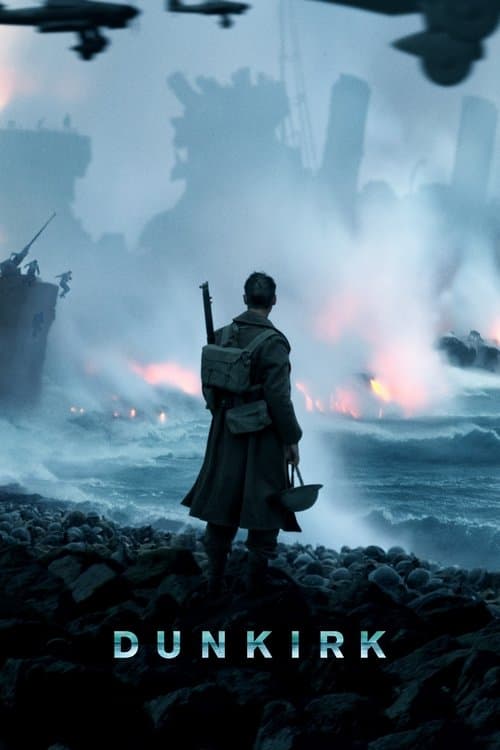
In Dunkirk (2017), you hear a ticking watch, Spitfire engines and Stuka sirens. Over time, you can't tell what's score and what's weapon. A musical click keeps speeding up under the action, so the clock turns into the main enemy. In the Spitfire scenes, Farrier's fuel gauge does the same job.
Oppenheimer mixes solo violin, processed electronic sounds and real desert recordings. In the build-up to Trinity, the score and the sound design blur together, and you feel the bomb before it goes off. Interstellar went the other way, with a pipe organ holding long notes. The first time you hear the full organ is the approach to Saturn, against the silence of space. It makes space feel fairly religious.
Villains with an argument
The Joker in The Dark Knight has no origin story and no demands. What he has is an argument, that society's morals are a thin act and people will save themselves first. In the hospital, he explains it to Harvey Dent. The ferry scene then tests it. Each boat holds the detonator for the other one, and the film uses what the passengers do to prove him wrong. Batman pays for it anyway. He goes from fist fights to spying on the whole city with sonar, and he ends up taking the blame for Dent's crimes.
The Prestige has no single villain. Angier and Borden just can't stop. Nothing from outside makes things worse. Their rivalry has become the point of their lives, and Angier wrecks his own career to sabotage Borden's act.
How to use this when you watch
Next time you watch a Nolan film, keep 2 questions in your head. Where is time being bent, and why does that hurt someone? What was actually built or blown up in front of the camera? You'll pretty much always find an answer to both, and the answer to the first one is usually the part that gets to you.
More guides
- Film Noir Lighting Explained: 8 Films That Nail It
- How Directors Build Suspense: 8 Films That Show You How
- Unreliable Narrator Movies Explained: 9 Films That Fool You
- Non-Linear Movies Explained: 8 Films Told Out of Order
- Long Takes and Oners Explained: 9 Famous One-Shot Scenes
- How Color Tells the Story: 9 Films With Meaningful Palettes