Drama

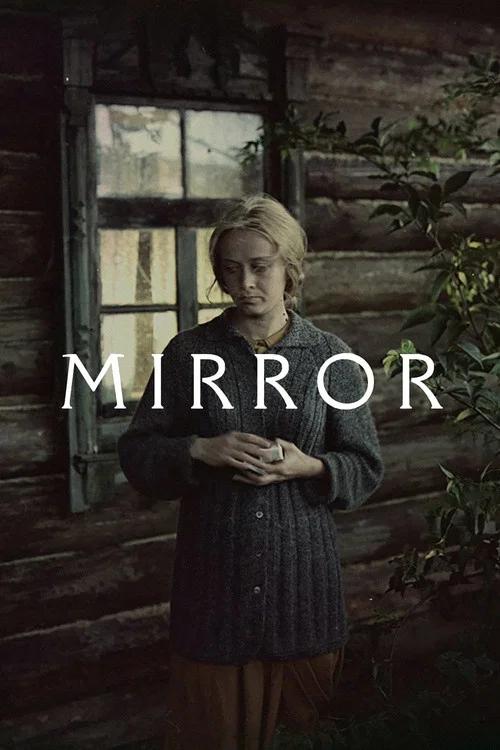
Mirror

Andrei Tarkovsky, 1975

A dying poet remembers his childhood, his mother, his marriage and the war, in scenes that jump between color, black and white and sepia. His father's poems are read aloud over the images. It has no plot in the usual sense, so watch it like a dream you slowly sort.

Mirror (1975) poster

At a glance

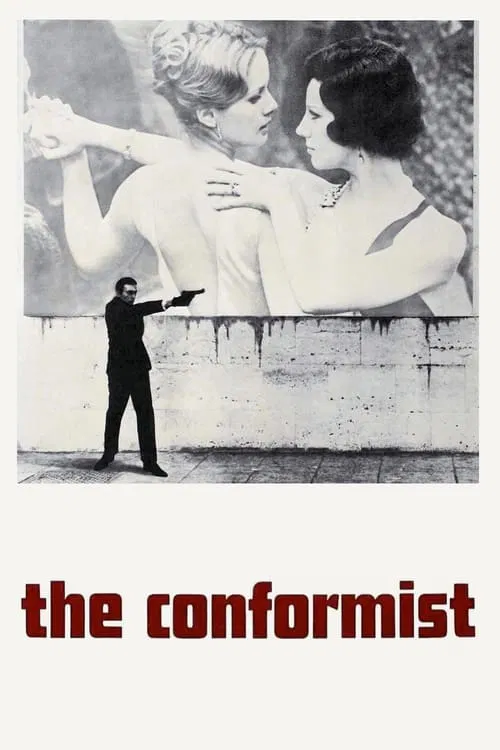
Mirror is a 1975 drama film directed by Andrei Tarkovsky. This breakdown covers 5 techniques (2 narrative, 1 editing and 2 psychology), each with the scene where you can see it. If you like how it is made, The Conformist uses several of the same techniques.

Narrative

Non-Linear Narrative

Telling the story out of order by jumping between time periods. The order you see events in changes how you understand them.

How this film uses it

Memory, dreams and history are cut together without a timeline. A scene from childhood can flow into the poet's adult life without warning. You assemble the story from feelings and images.

Where to see it

The burning barn. The family watches a barn burn in a memory that appears without warning.
Editing

Documentary Footage Integration

Cutting real documentary or archive footage into a fictional story, such as authentic records of wartime atrocities. It grounds the fiction in history and blurs the line between cinema and the record.

How this film uses it

Real newsreel of the Spanish Civil War is cut into the film. It places the poet's private memories inside real history. The shift from fiction to footage is sharp and surprising.

Where to see it

The Spanish newsreel. Footage of the Spanish Civil War appears in a scene with exiled Spanish Loyalist friends.

Psychology

Psychological Doubling

Pairing the main character with a second character who mirrors them. The double shows what the hero wants, fears or secretly is.

How this film uses it

Margarita Terekhova plays both the poet's mother and his ex-wife. The same face connects the two women in his life. You see how he mixes one with the other.

Where to see it

The mother and the wife. The same actress appears as both women across the film.

Psychology

Dream Imagery as Inner Life

Staging dreams, fantasies and imagination as literal scenes. The inner mind becomes visible, whether as wish, fear or creative power.

How this film uses it

Dreams appear as full scenes in black and white. In one, the mother levitates above her bed as a vision of her husband comforts her. The dream shows what she wants and cannot say.

Where to see it

The levitation. Maria floats above her bed in a dream sequence.

Narrative

Autobiographical Distance

Drawing on the filmmaker's own life but keeping it at arm's length, often through a fictional stand-in. The result is precise and unsentimental, and it can question how memory flatters us.

How this film uses it

The adult poet, Aleksei, never shows his face. We hear him but mostly see his memories. The film draws on Tarkovsky's own life, but it keeps a distance from him.

Where to see it

The poet's voice. Tarkovsky's father, Arseny, recites his own poems in voiceover throughout.

Questions

Mirror: quick answers

What filmmaking techniques does Mirror use?
CineCode breaks down 5 techniques in Mirror (1975): Non-Linear Narrative, Documentary Footage Integration, Psychological Doubling, Dream Imagery as Inner Life and Autobiographical Distance.
Who directed Mirror?
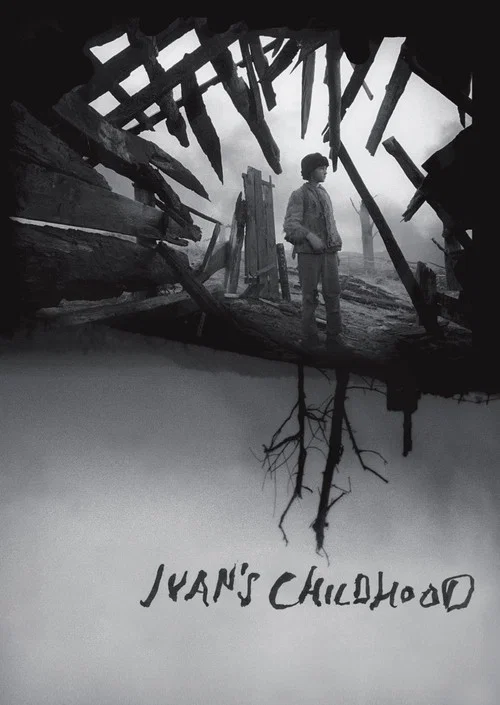
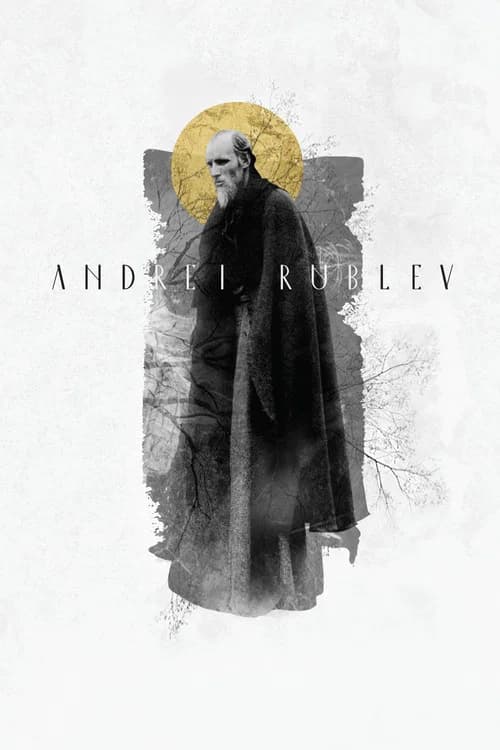
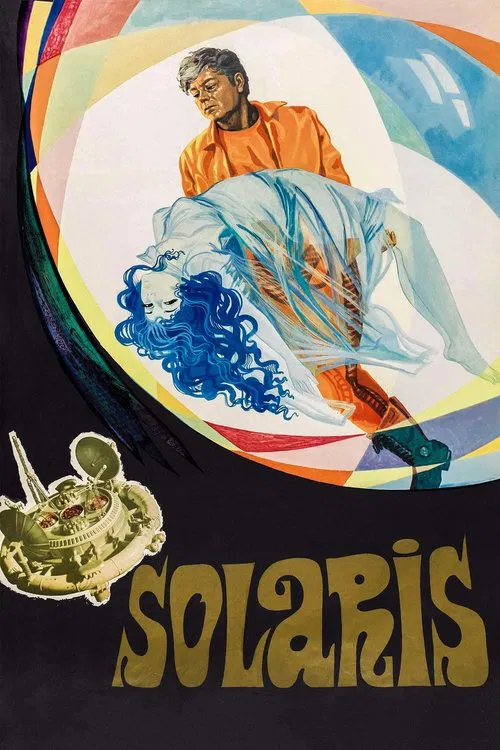
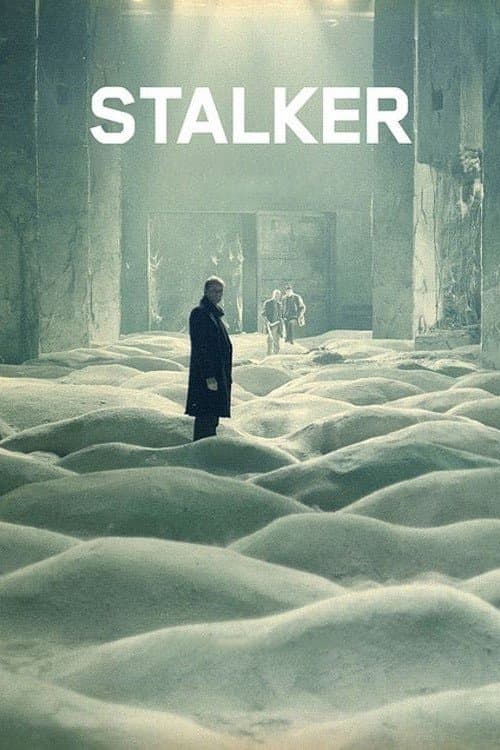
Andrei Tarkovsky directed Mirror, released in 1975. CineCode also covers Ivan's Childhood (1962), Andrei Rublev (1966), Solaris (1972), Stalker (1979), Nostalgia (1983), The Sacrifice (1986).
What films are similar to Mirror?
Films that share techniques with Mirror include The Conformist (1970), Before the Devil Knows You're Dead (2007), Hook (1991), American Sniper (2014).