Cinematography technique · used in 11 films

Institutional Architecture

Showing an institution as the source of power in the story, through its walls, corridors, watchful sightlines and procedures. The system itself confines people more than any single villain.

Examples

11 films that use it

  1. The 400 Blows (1959) poster

    The 400 Blows

    François Truffaut · 1959

    There are no cruel guards in the reform school. It is a system, and its indifference does more damage than cruelty would. Its routines are the assessments, the dormitories and the scheduled activities. They were designed for a different kind of child than Antoine. The institution simply has no room for who he is.

    Where to see it: Antoine's arrival and processing at the reform institution. The procedure takes him in without acknowledging him. In the system's routine, nothing particular about him gets seen.


  2. The Trial (1962) poster

    The Trial

    Orson Welles · 1962

    When plans for Boulogne Studios fell through, Welles shot interiors in the abandoned Gare d'Orsay railway station in Paris. The huge halls and endless desks make a system that dwarfs one small man.

    Where to see it: The offices and courtrooms: Josef K. crosses vast spaces where clerks and officials watch him and say little.

  3. The Battle of Algiers (1966) poster

    The Battle of Algiers

    Gillo Pontecorvo · 1966

    The film shows French colonial rule as one connected system, made up of press conferences, military briefings, legal procedures and torture chambers. It can't be fixed from the inside because the violence is part of its normal routine. The paratroopers are employees doing a job. The villain is the system they work for.

    Where to see it: The sequence of press conferences and military briefings. You see how colonial violence is organized. The system explains and defends itself, and the film adds no comment.

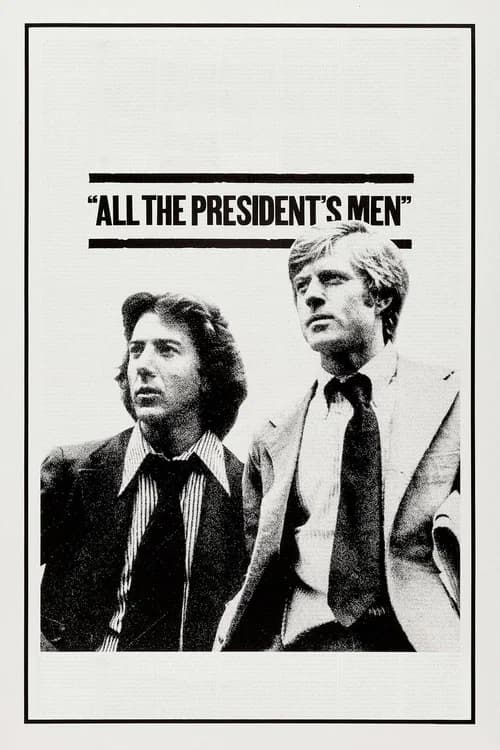
  4. All the President's Men (1976) poster

    All the President's Men

    Alan J. Pakula · 1976

    The Washington Post newsroom was rebuilt on 2 soundstages at Burbank Studios, with desks bought from the firm that had sold desks to the Post. The setting works like a character. It is the grinding machinery of institutional journalism.

    Where to see it: The newsroom set. It is bathed in cold fluorescent light. Reporters type against a background hum of work that never lets up.

  5. The Shawshank Redemption (1994) poster

    The Shawshank Redemption

    Frank Darabont · 1994

    Roger Deakins's cinematography frames Shawshank's stone walls and guard towers so they take the place of the sky. The outside world is literally blocked from view. Light only gets in through narrow, controlled shafts, so Andy's moments of freedom seem to glow.

    Where to see it: Andy locking himself in the warden's office to play Mozart over the PA. The courtyard fills with prisoners looking up.

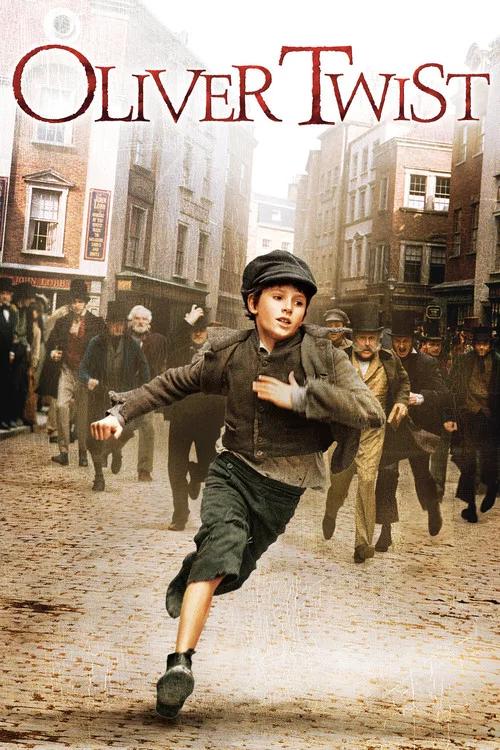
  6. Oliver Twist (2005) poster

    Oliver Twist

    Roman Polanski · 2005

    The workhouse is where Oliver learns that the system decides who eats. The rules and the people who enforce them do the harm, and you do not need a single cruel villain to feel it.

    Where to see it: Asking for more: Oliver is taken to the workhouse, where he dares to ask for more food. Soon after, he is sold as an apprentice to an undertaker.

  7. The Lobster (2015) poster

    The Lobster

    Yorgos Lanthimos · 2015

    The Hotel has administrators, a social calendar, compatibility rules and enforcers. Nobody in it is cruel as an individual. It simply applies its logic and makes no adjustment for the particular human in front of it. The way the institution is built is the film's target. It is a set of regulations that turns love into following the rules.

    Where to see it: The Hotel's daily activities and compatibility demonstrations. These are the institution's tools for manufacturing couples. The procedures are as absurd as they are exact.

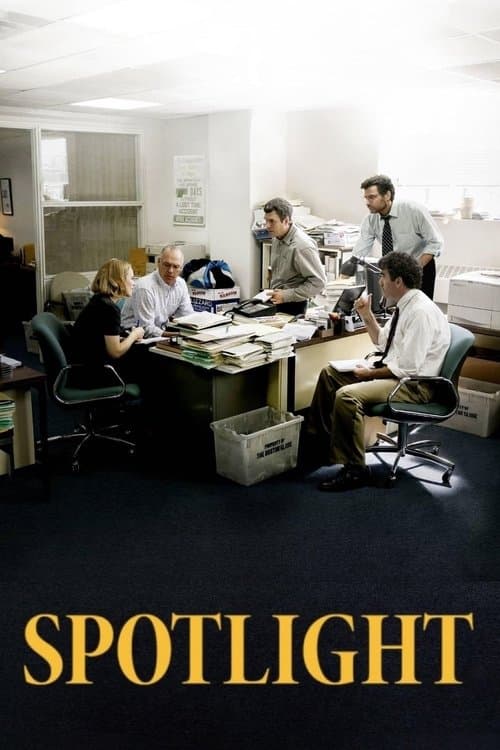
  8. Spotlight (2015) poster

    Spotlight

    Tom McCarthy · 2015

    McCarthy shoots Boston's churches, law offices, archdiocesan buildings and the Globe newsroom. These places show how deeply the Church is woven into the life of the city. I feel like that is why the cover-up comes across as part of the system, something bigger than any individual.

    Where to see it: Marty Baron meeting Cardinal Law in the Archdiocese offices. You can read the Cardinal's power in every inch of the institutional space around him.

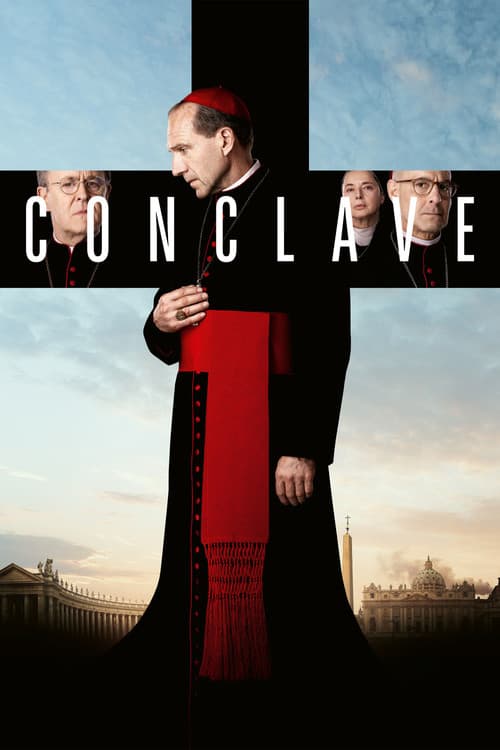
  9. Conclave (2024) poster

    Conclave

    Edward Berger · 2024

    Stéphane Fontaine's photography uses the Vatican's buildings to show you how the Church is organized. The corridors, chapels and dining halls all tell you who ranks above whom. This is an institution that has lasted centuries by controlling its own story.

    Where to see it: The cardinals walking in procession through the Vatican's corridors in their red vestments. Against those buildings, the ritual looks ancient, unstoppable and slightly absurd.

  10. The Brutalist (2024) poster

    The Brutalist

    Brady Corbet · 2024

    The Brutalist buildings are heavy concrete, severe in their geometry and indifferent to human comfort. They show you what László has made and what America has made of him.

    Where to see it: The completed Institute shown at the 1980 Venice Biennale, where Zsofia says its geometry echoes Buchenwald and Dachau. The Brutalist geometry is both a triumph and a ruin. It is as beautiful as it is inhuman.

  11. A House of Dynamite (2025) poster

    A House of Dynamite

    Kathryn Bigelow · 2025

    The Situation Room, the bunker at Raven Rock and the command centers show the system as the real source of power. People sit at screens and phones in rooms designed for orders. They look small inside a machine that moves faster than they can think.

    Where to see it: The Raven Rock arrival: FEMA official Cathy Rogers and NSA advisor Ana Park enter the Raven Rock Mountain Complex as the missile approaches.

Questions

Quick answers

What is institutional architecture in film?
Showing an institution as the source of power in the story, through its walls, corridors, watchful sightlines and procedures. The system itself confines people more than any single villain.
Which films use institutional architecture?
The 400 Blows (1959), The Trial (1962), The Battle of Algiers (1966), All the President's Men (1976), The Shawshank Redemption (1994), Oliver Twist (2005) and 5 more films in the CineCode library.
What kind of technique is institutional architecture?
It is a cinematography technique. Related cinematography techniques include Handheld Cinema Vérité.