Drama · Mystery

The Trial

Orson Welles, 1962

Josef K. wakes up under arrest for a crime nobody will name. He tries to find out the charge as lawyers, painters and priests send him in circles. Based on Kafka's novel, it is worth watching for how Welles turns a huge empty building into a trap.

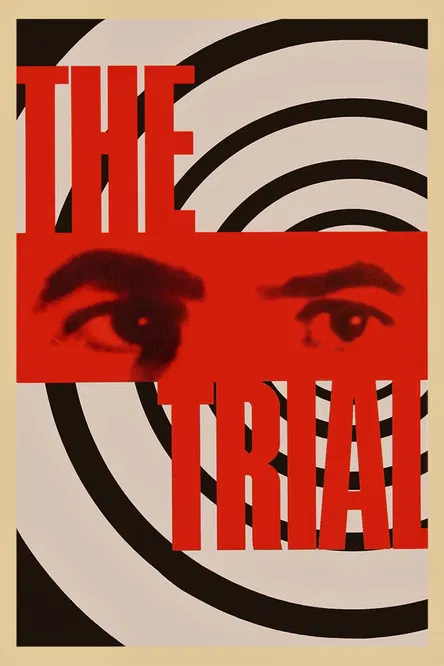
The Trial (1962) poster

At a glance

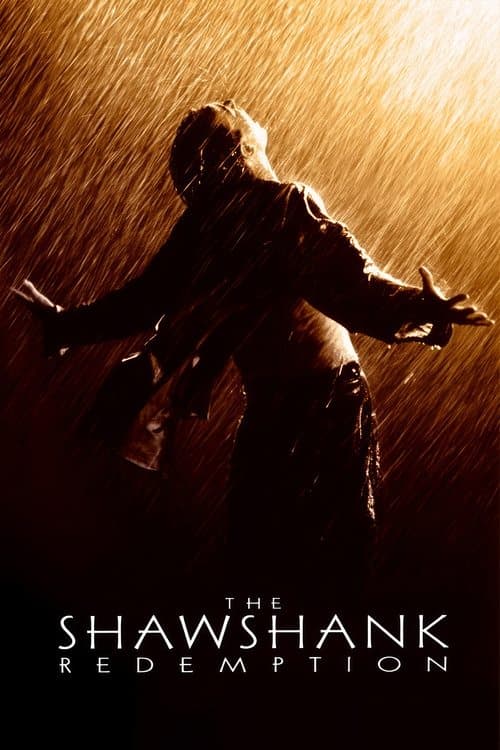
The Trial is a 1962 drama and mystery film directed by Orson Welles. This breakdown covers 5 techniques (1 cinematography, 1 sound and 3 narrative), each with the scene where you can see it. If you like how it is made, The Shawshank Redemption uses several of the same techniques.

Cinematography

Institutional Architecture

Showing an institution as the source of power in the story, through its walls, corridors, watchful sightlines and procedures. The system itself confines people more than any single villain.

How this film uses it

When plans for Boulogne Studios fell through, Welles shot interiors in the abandoned Gare d'Orsay railway station in Paris. The huge halls and endless desks make a system that dwarfs one small man.

Where to see it

The offices and courtrooms: Josef K. crosses vast spaces where clerks and officials watch him and say little.
Sound

Bureaucratic Dialogue as Violence

Having characters use calm, procedural, official language to control people or to talk about them as resources and problems. The speech does harm without anyone raising their voice.

How this film uses it

Officials answer K. with polite, procedural talk that explains nothing. Nobody shouts, and he still loses his footing a little more each time.

Where to see it

K.'s hearing in the courtroom: he cannot learn the charges, and every reply avoids his actual question.

Narrative

Wrong Man Plot

Making an innocent person look guilty through coincidence and circumstantial evidence, while the audience knows or senses the truth. Everyday life turns dangerous because nobody believes them.

How this film uses it

K. is arrested at home and told only that he is accused. He never gets the evidence or even the offense, so proving his innocence is impossible.

Where to see it

The arrest: K. is taken in without a stated crime, and his search for the reason drives the rest of the story.

Narrative

Self-Contained Prologue

Opening with a short separate sequence, such as a fable, origin scene or overture, that sets tone and theme before the main story begins.

How this film uses it

The film opens with a pinscreen illustration of the parable Before the Law. It tells you in a few minutes that the door you are waiting at may never open.

Where to see it

The pinscreen prologue: a narrated, animated fable of a man who waits at a gate, which sets the film's theme.

Narrative

Comedy of Discomfort

Wringing laughs from awkward, humiliating or obstructive situations, so the audience squirms as characters fail to read or beat the system.

How this film uses it

Perkins later said Welles meant the film as a black comedy. K.'s polite attempts to be reasonable make his situation funnier and worse.

Where to see it

K. and the lawyer Hastler: K. keeps trying to behave properly in a system that makes no sense, which is awkwardly funny.

Questions

The Trial: quick answers

What filmmaking techniques does The Trial use?
CineCode breaks down 5 techniques in The Trial (1962): Institutional Architecture, Bureaucratic Dialogue as Violence, Wrong Man Plot, Self-Contained Prologue and Comedy of Discomfort.
Who directed The Trial?
Orson Welles directed The Trial, released in 1962. CineCode also covers Citizen Kane (1941), The Magnificent Ambersons (1942), The Stranger (1946), The Lady from Shanghai (1947), Touch of Evil (1958), F for Fake (1973).
What films are similar to The Trial?
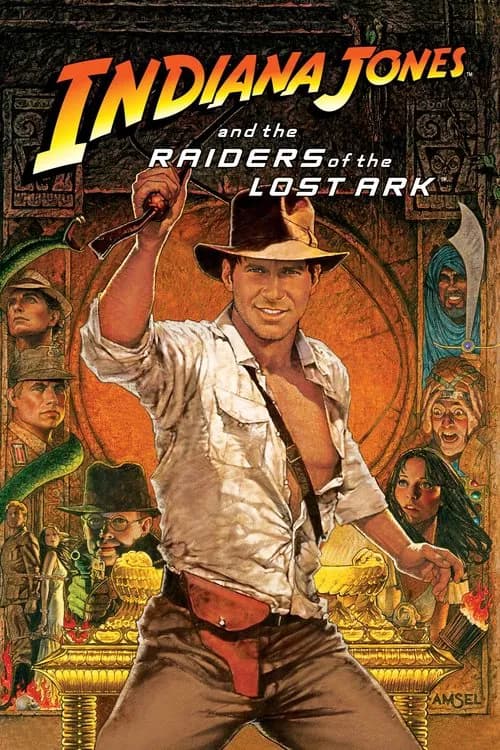
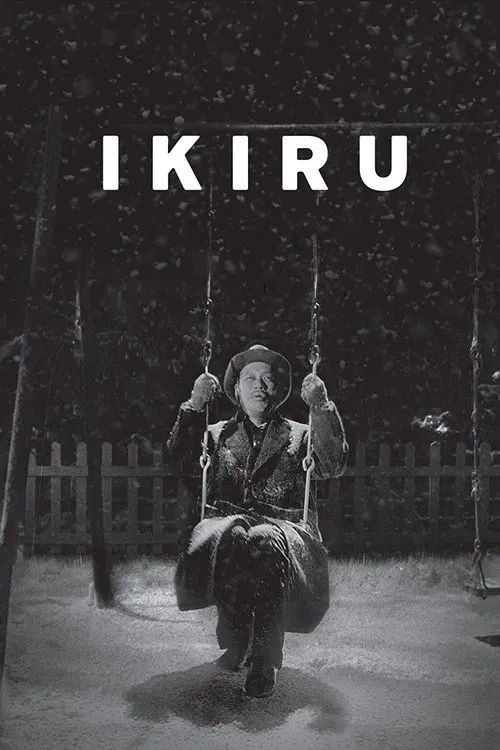
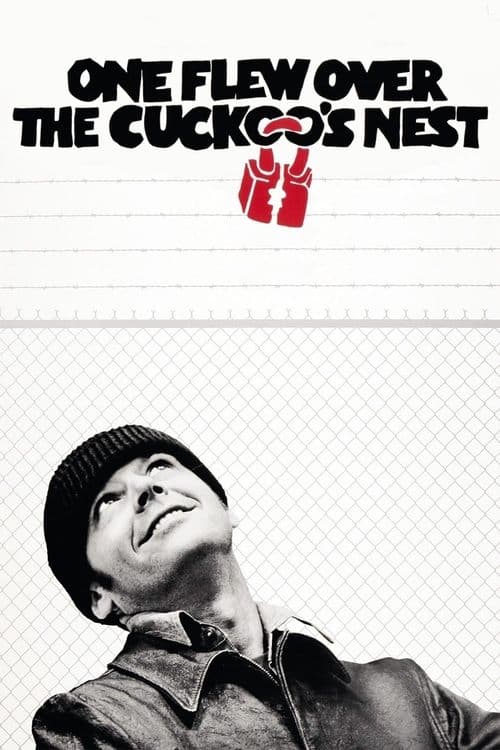
Films that share techniques with The Trial include The Shawshank Redemption (1994), One Flew Over the Cuckoo's Nest (1975), Raiders of the Lost Ark (1981), Ikiru (1952).