Drama · Romance

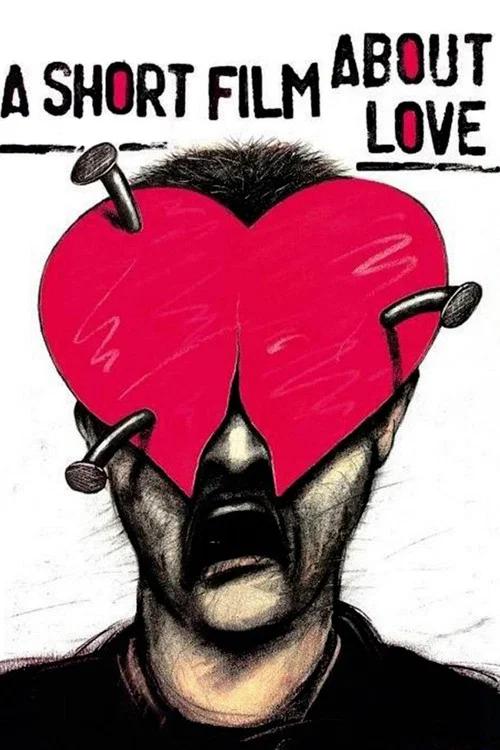
A Short Film About Love

Krzysztof Kieślowski, 1988

Tomek, a lonely 19-year-old post office clerk, spies every night on Magda, an older woman across the courtyard. He sends her fake money notices and takes a milk delivery job just to be near her. Worth watching for how it makes you feel his longing and then your own guilt for watching with him.

A Short Film About Love (1988) poster

At a glance

A Short Film About Love is a 1988 drama and romance film directed by Krzysztof Kieślowski. This breakdown covers 4 techniques (2 narrative, 1 cinematography and 1 psychology), each with the scene where you can see it. If you like how it is made, Psycho uses several of the same techniques.

Narrative

Voyeurism as Audience Mirror

Making the main character someone who secretly watches others, then showing you what they see. You become aware that you are watching too, and that it makes you complicit.

How this film uses it

Tomek watches Magda through a telescope, and the camera shows you exactly what he sees. You get pulled into the same act and start to feel how invasive it is. The film makes you ask why you were happy to look.

Where to see it

The telescope nights: Tomek watches Magda come home, work on her art and cry over another failed relationship. He saw it all from his godmother's apartment, and she did not know.
Cinematography

Voyeuristic Implication

Placing the camera like a hidden watcher, looking through peepholes, around corners and from concealed spots. You become part of the spying, which makes watching feel morally uneasy.

How this film uses it

The camera sits where Tomek sits, behind a lens and looking in at a lit window. Magda's rooms appear small and bright, like a stage, while his own side of the frame is dark. You feel like you are hiding in the dark with him.

Where to see it

The telescope views: the film cuts to what Tomek sees through the lens, with Magda framed in her window. She is far enough away to feel unreachable.

Narrative

Role Reversal Structure

Swapping the expected roles of characters or a fable's archetypes as the story progresses, so power and sympathy shift and old assumptions fail.

How this film uses it

For most of the film, Tomek looks and Magda is looked at. After he cuts his wrists and is taken to the hospital, she is the one who watches his window and waits for him to come back. The shift tells you that she has started to care.

Where to see it

The ending: Magda looks through Tomek's telescope toward her own apartment. She imagines what he saw on the night she came home weeping, and she imagines him there comforting her.

Psychology

Obsession and Compulsion Portrait

Showing a character's fixation or addiction through repeated habits, objects and colors. The compulsion drives the behavior and defines who they are more than any speech could.

How this film uses it

Tomek's fixation shows up in his habits, not speeches. He phones her without speaking, slips fake money-order notices in her mailbox and takes the milk job so he can see her each morning. His routine tells you how much she fills his life.

Where to see it

The fake notices: Tomek keeps leaving postal notices for Magda about a money order that does not exist. When she argues with the postmistress, he follows her and confesses.

Questions

A Short Film About Love: quick answers

What filmmaking techniques does A Short Film About Love use?
CineCode breaks down 4 techniques in A Short Film About Love (1988): Voyeurism as Audience Mirror, Voyeuristic Implication, Role Reversal Structure and Obsession and Compulsion Portrait.
Who directed A Short Film About Love?
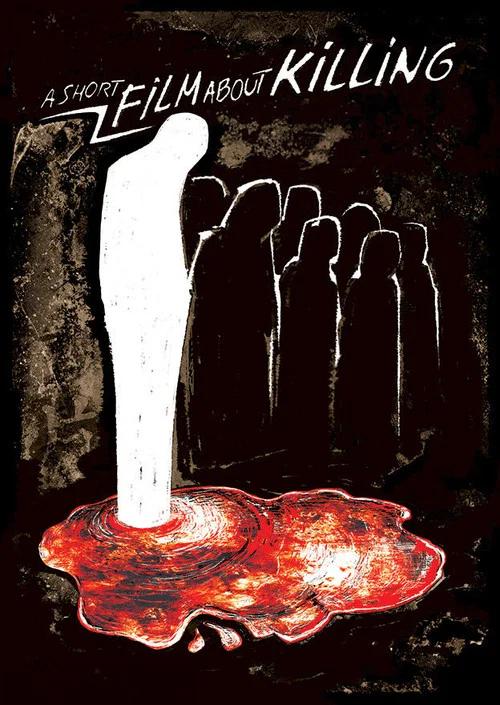
Krzysztof Kieślowski directed A Short Film About Love, released in 1988. CineCode also covers A Short Film About Killing (1988), The Double Life of Véronique (1991), Three Colors: Blue (1993), Three Colors: Red (1994), Three Colors: White (1994).
What films are similar to A Short Film About Love?
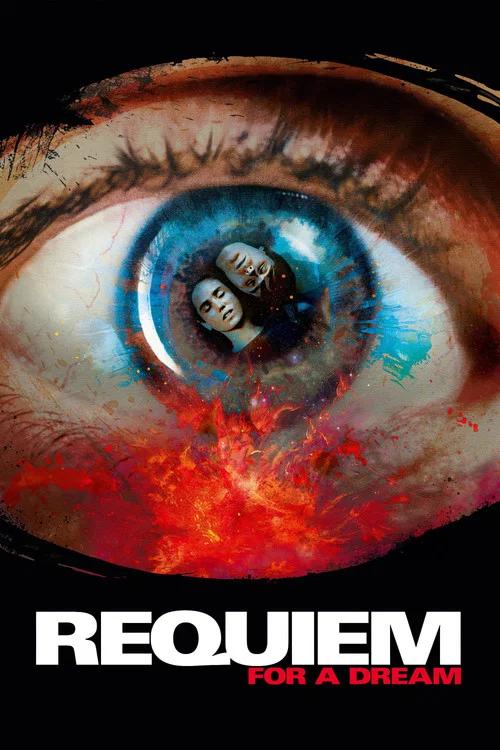
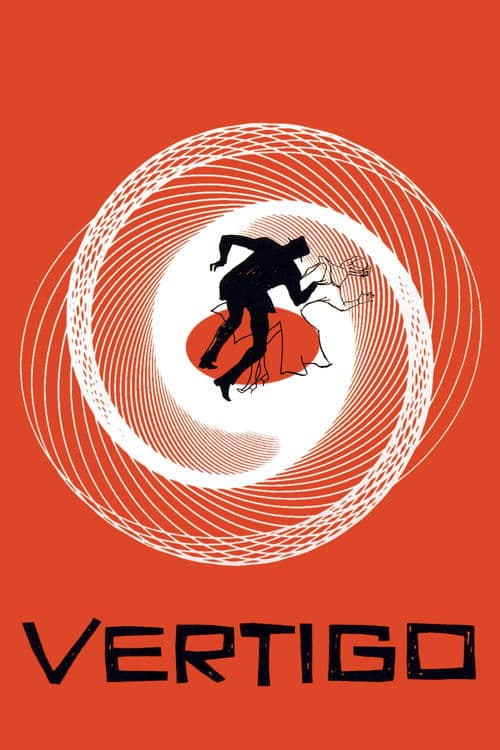
Films that share techniques with A Short Film About Love include Psycho (1960), Rear Window (1954), Requiem for a Dream (2000), Vertigo (1958).