Grading as a mood
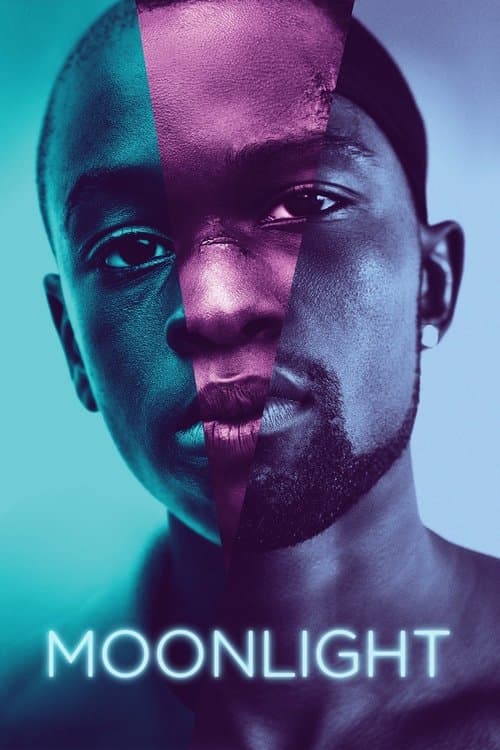
Moonlight (2016) gives each chapter of Chiron's life its own set of colors. Childhood leans toward cool blues, and the adult chapter moves to warmer, harder tones as he hardens himself. The swimming lesson, where Juan holds him up in the water, is soaked in silver-blue light. The film shoots Liberty City in blue, gold and warm amber, colors chosen for how the place feels to the characters.
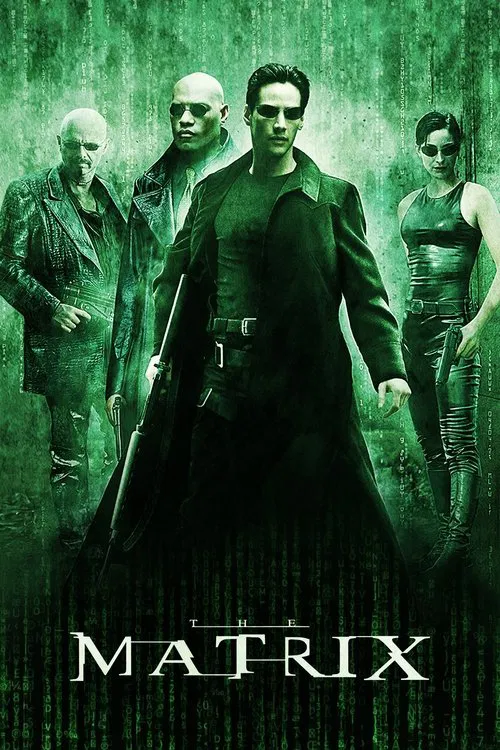
The Matrix (1999) grades by location. Scenes inside the simulation have a green tint, like an old computer monitor. The real world on the Nebuchadnezzar is a cool blue-grey. The difference is subtle and it never slips. Once you know about it, you'll catch yourself checking every scene for it.
Two worlds, two palettes
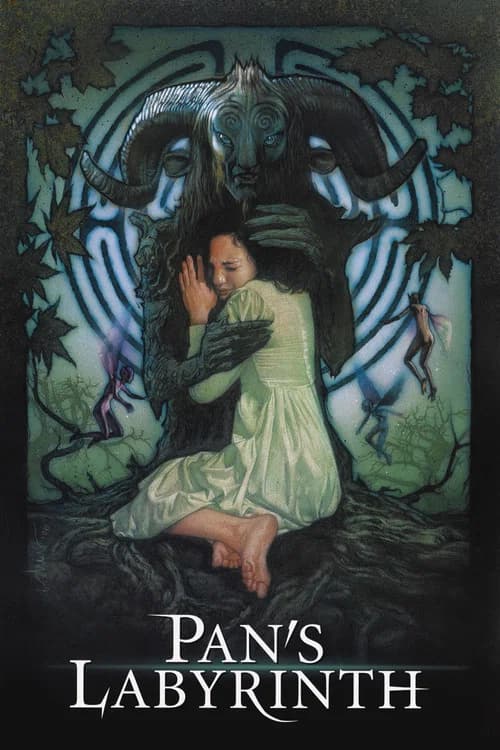
Pan's Labyrinth (2006) splits its story by temperature. The fantasy world is warm gold and deep green, so it feels old and alive. The real world, with its military outpost, is cold blue-gray and drained. The fantasy is the dangerous one, and it still looks warm. When Ofelia goes underground for the first time, the shift from grey landscape to golden space tells you where the film's sympathy is.
One color that follows a feeling
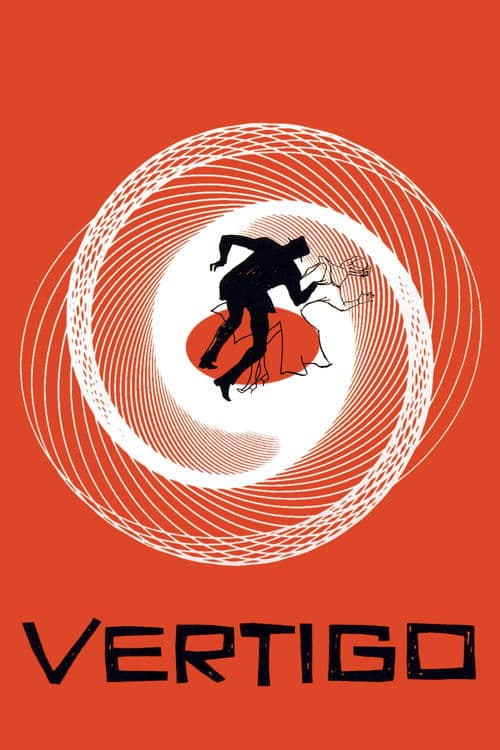
Vertigo (1958) ties green to Scottie's obsession. It shows up in Madeleine's grey-green suit and in the filtered light at the cemetery. It peaks when Judy steps out of the bathroom made over as Madeleine, lit by the green neon outside her hotel. She looks like a ghost walking out of that light.
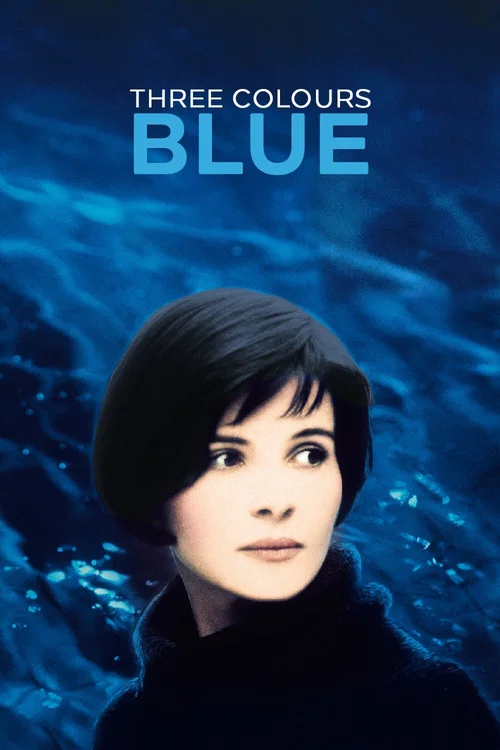
Three Colors: Blue (1993) does something similar with blue and Julie's grief. Blue light fills her new apartment and the pool she swims in. The one thing she keeps from her old house is a blue chandelier, and its light keeps tying her to the life she's trying to leave. The color comes from the French flag, where blue stands for liberty.
A single splash of color
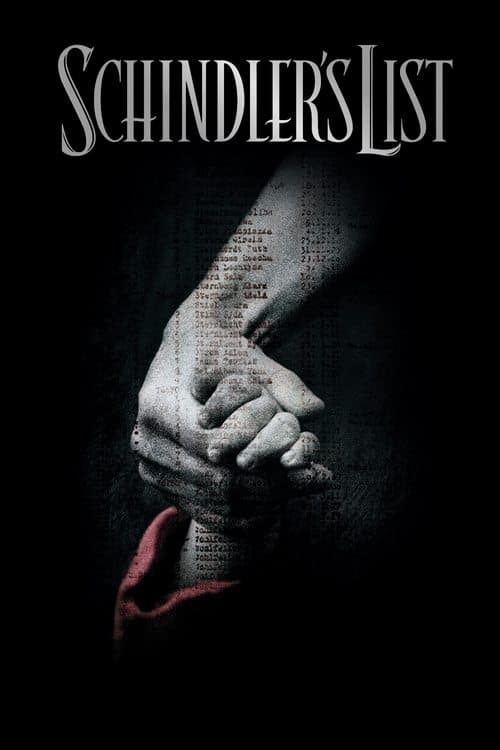
Schindler's List (1993) is in black and white, with one exception everyone remembers. During the liquidation of the Kraków Ghetto, a girl in a red coat moves through the chaos. Schindler follows her with his eyes from a rooftop. Later, you see the same coat on a cart of bodies. The color has made you track one person through the crowd, and that's why the mass killing suddenly has a face.
Draining the color out
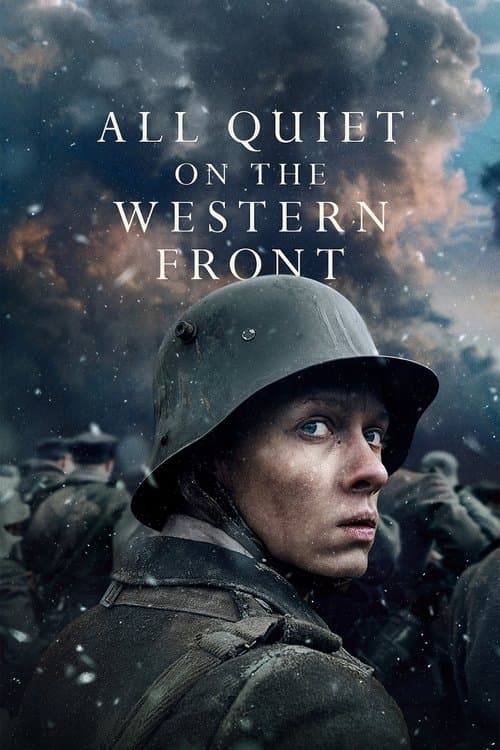
All Quiet on the Western Front (2022) takes nearly all the color out of the front. The mud is gray-brown, the sky is gray-white and the faces are gray too. When color does come back, it's in short flashes of something beautiful, and the war snuffs them out fast.
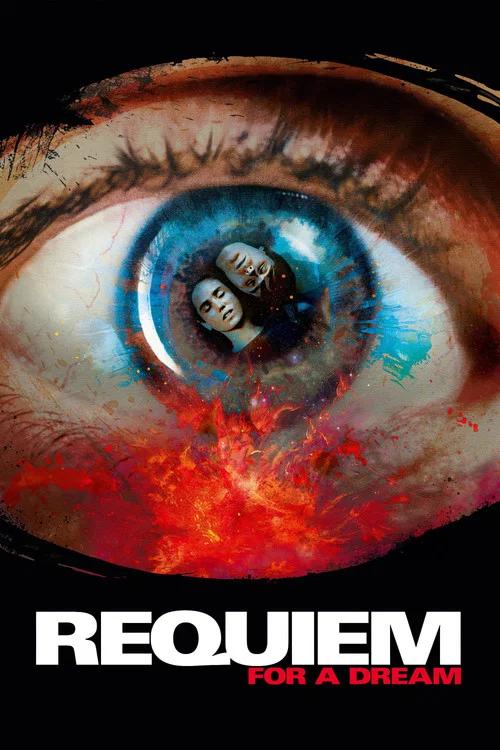
Requiem for a Dream (2000) drains its color over time. The film is split into Summer, Fall and Winter. Summer is warm and golden, Fall cools down and Winter is a washed-out blue-gray. Watch the cut from Fall to Winter. The colors go cold before the plot tells you how bad things have gotten.
Color as a battle map
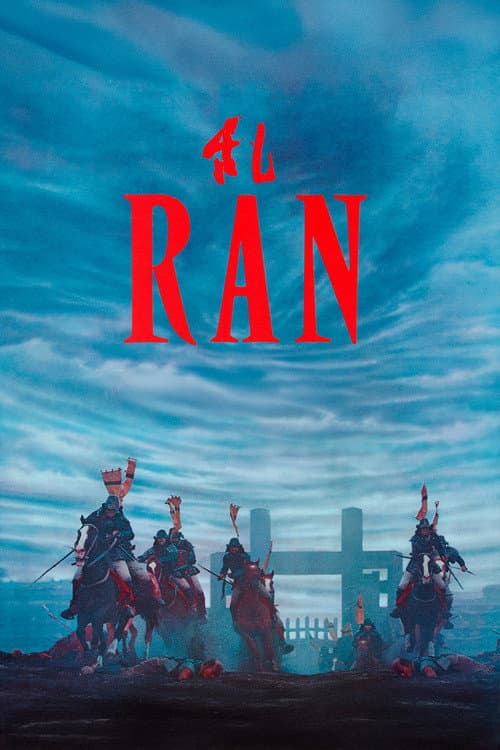
In Ran (1985), each of Hidetora's sons commands an army dressed in its own color, yellow, red or blue. That lets Kurosawa stage battles almost like abstract paintings, where you can follow the strategy by color alone. In the Third Castle assault, the armies crash together and the colors mix. The order Hidetora split between his sons is coming apart, and you can see it in the flags.
How to use this when you watch
Pick a scene you love and watch it with the sound off. Ask what the main color is and whether it changes later in the film. If one color keeps coming back, jot down what's happening each time. After 3 or 4 appearances, you'll usually see what the film has tied it to.
More guides
- Film Noir Lighting Explained: 8 Films That Nail It
- How Directors Build Suspense: 8 Films That Show You How
- Unreliable Narrator Movies Explained: 9 Films That Fool You
- Non-Linear Movies Explained: 8 Films Told Out of Order
- Long Takes and Oners Explained: 9 Famous One-Shot Scenes
- Best Films to Study Cinematography: 10 Films and What to Watch