Editing technique · used in 6 films

Paranoia Montage

Cutting rapidly between fragments, threats and pressures, often with fast music and shifting camera angles. You feel the character's panic and the sense of being closed in from every side.

Examples

6 films that use it

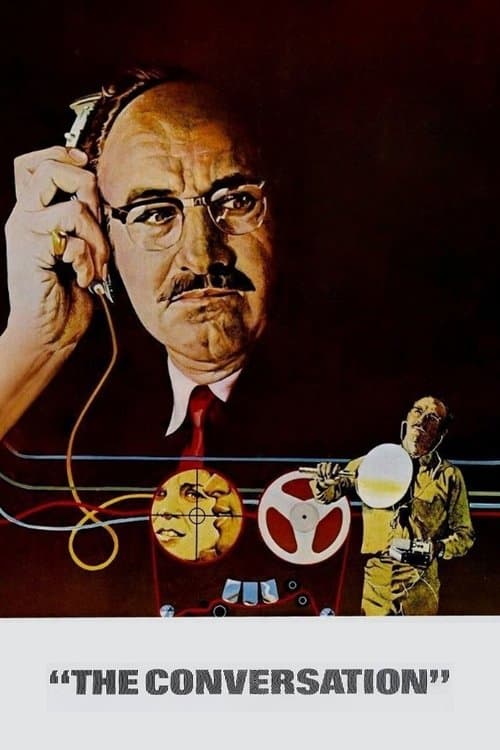
  1. The Conversation (1974) poster

    The Conversation

    Francis Ford Coppola · 1974

    As Harry spirals, the editing falls apart with him. It cuts between his apartment, the tape and imagined scenarios, and the rhythm builds the same growing dread in you.

    Where to see it: Harry's nightmare sequence. The dream and the hotel murder blur into one continuous paranoid vision.
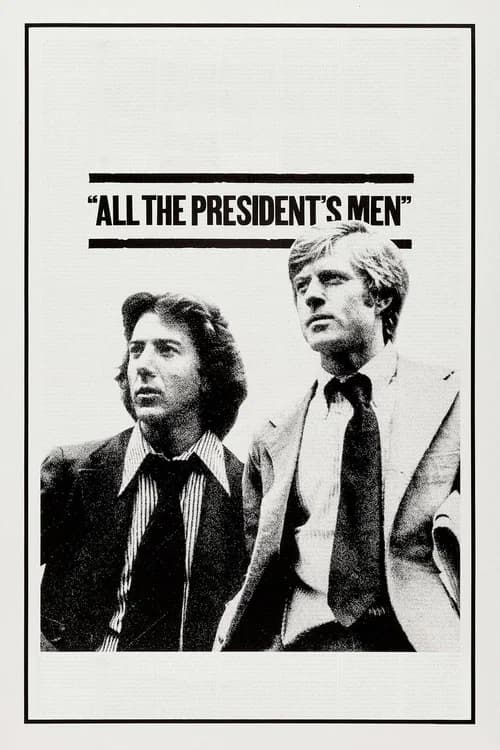
  2. All the President's Men (1976) poster

    All the President's Men

    Alan J. Pakula · 1976

    As the story gets closer to the White House, Pakula's editing tightens into a rhythm of glances, pauses and shadow. It suggests that someone is watching everywhere, even in the open newsroom.

    Where to see it: Woodward meeting Deep Throat in the parking garage. The space is vast and dark, and the editing suggests eyes everywhere.

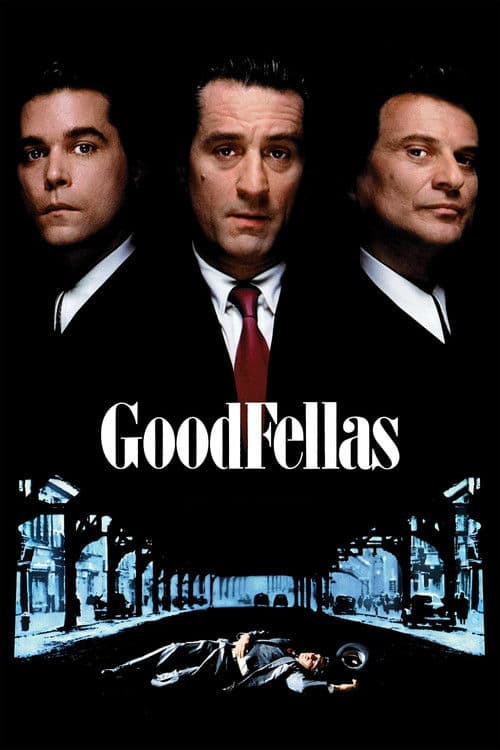
  3. Goodfellas (1990) poster

    Goodfellas

    Martin Scorsese · 1990

    The final act shows Henry's cocaine-fueled day of errands while a helicopter tails him. Schoonmaker edits it into a masterclass in rising paranoia. The cutting gets faster, the angles get shakier and the sound gets more broken up as Henry loses control.

    Where to see it: The helicopter surveillance sequence. Henry is cooking, dealing and unraveling all at once.

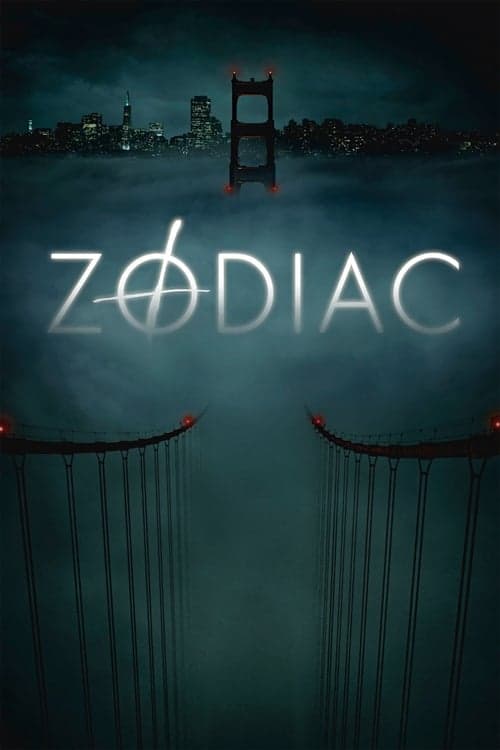
  4. Zodiac (2007) poster

    Zodiac

    David Fincher · 2007

    Fincher and editor Angus Wall cut the middle stretch of the investigation as one long montage of paranoia. You see handwriting comparisons, solved ciphers and suspects who only lead to more suspects. The editing makes you feel a pattern forming. At the same time, it weakens your trust in any single link.

    Where to see it: The parallel investigation sequences. Graysmith, Toschi and Armstrong each put together different pieces of the same puzzle. The montage suggests the pieces are about to meet, and in the end the film never lets them.

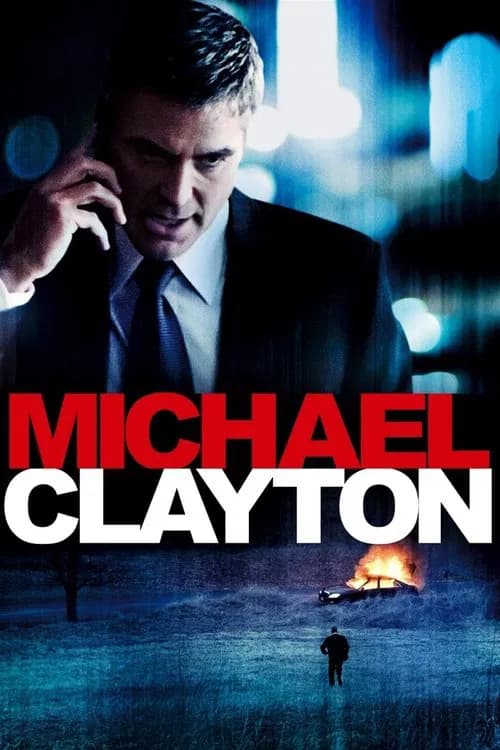
  5. Michael Clayton (2007) poster

    Michael Clayton

    Tony Gilroy · 2007

    Gilroy shows the corporation's surveillance operation through quick cuts between the investigators, the surveillance teams and the movements of Arthur and later Michael. In the montage, you see how far the conspiracy reaches. You start reading it as one system and stop reading it as a series of individual decisions.

    Where to see it: The sequence where Karen Crowder's hired operatives bug Arthur's apartment and follow him. The film cuts between their surveillance and his movements. That lets you see the corporate conspiracy as a machine built for watching people.

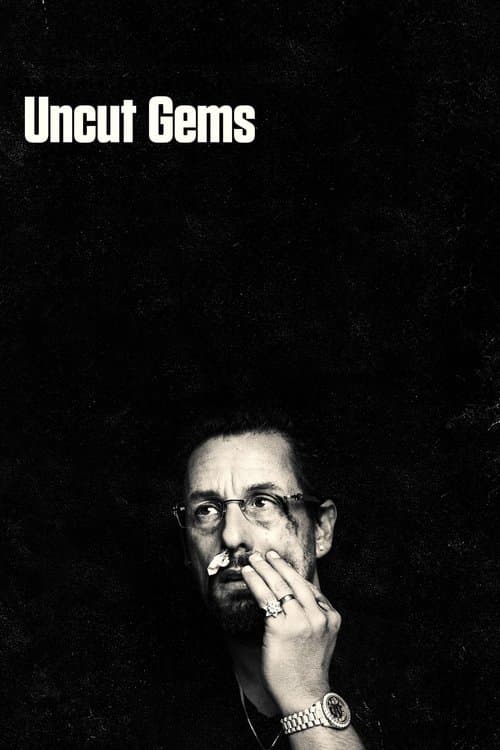
  6. Uncut Gems (2019) poster

    Uncut Gems

    Josh Safdie, Benny Safdie · 2019

    Howard's crises all happen at once, and the Safdies cut between them at a set rhythm. You never finish taking in 1 threat before the next arrives. The editing works the way Howard's mind does. He can't prioritize, because everything is the most important thing at once. The montage is exact about this, and nothing in it is exaggerated for effect.

    Where to see it: The last stretch of the film. The Celtics game, the men locked in Howard's store and Julia's bet at the casino close in on Howard at the same time. Cutting between them makes it feel like Howard is being surrounded with no clear way out.

Questions

Quick answers

What is paranoia montage in film?
Cutting rapidly between fragments, threats and pressures, often with fast music and shifting camera angles. You feel the character's panic and the sense of being closed in from every side.
Which films use paranoia montage?
The Conversation (1974), All the President's Men (1976), Goodfellas (1990), Zodiac (2007), Michael Clayton (2007), Uncut Gems (2019).
What kind of technique is paranoia montage?
It is a editing technique. Related editing techniques include others listed on the CineCode techniques page.