Narrative technique · used in 14 films

Single POV Restriction

Limiting the film to what one character can see and know. The camera never goes where they couldn't be, so you share their blind spots and their vulnerability.

Examples

14 films that use it

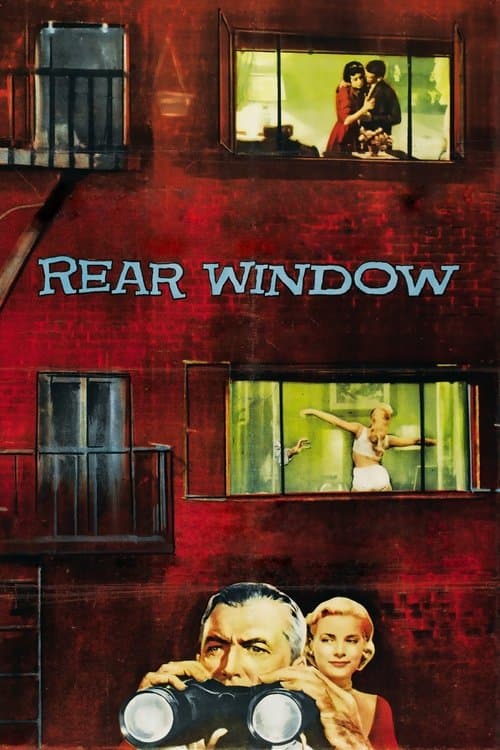
  1. Rear Window (1954) poster

    Rear Window

    Alfred Hitchcock · 1954

    Hitchcock and cinematographer Robert Burks almost never move the camera outside Jefferies's apartment. You see only what Jeff sees, from where he sits. The limit is total. So when the killer comes for Jeff, you are trapped with him inside the same narrow view.

    Where to see it: Jeff's entire experience of the murder investigation. He carries out all of it from one fixed spot.
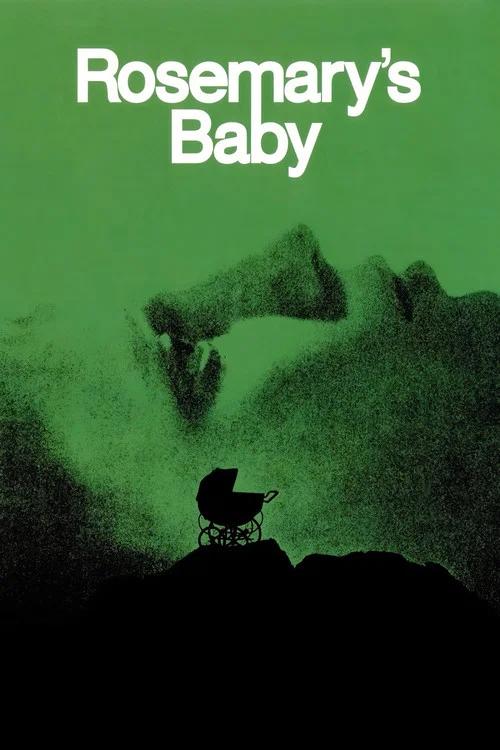
  2. Rosemary's Baby (1968) poster

    Rosemary's Baby

    Roman Polanski · 1968

    The film stays with Rosemary in almost every scene. You only learn what she learns, from the same half-heard comments and odd gifts. When she finally asks for help, you have no proof to give anyone either.

    Where to see it: Rosemary's visit to Dr. Hill. She tells her old doctor everything she has worked out. He listens, then calls Dr. Sapirstein, who arrives with her husband to take her home.

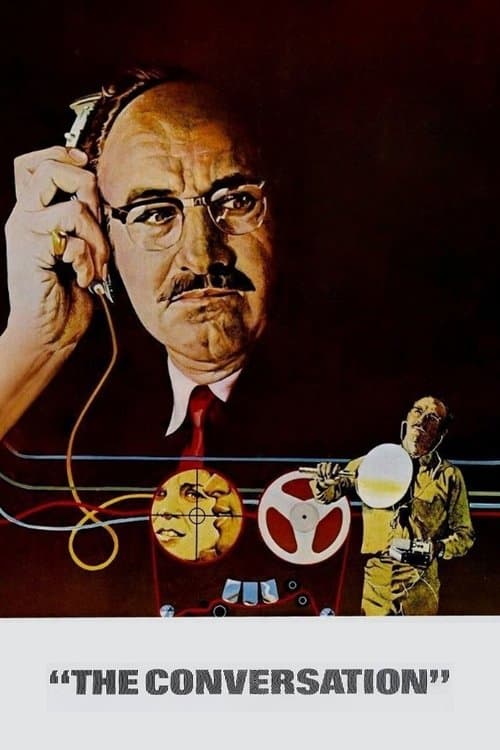
  3. The Conversation (1974) poster

    The Conversation

    Francis Ford Coppola · 1974

    Everything you know comes through Harry's imperfect surveillance. The film never shows you the objective truth. So when moral horror finally hits him, it rests on his own misreading.

    Where to see it: The reinterpreted line. The film reveals that Harry missed what the stress on 'us' means in 'He'd kill us if he got the chance'. The couple fear being killed and mean to strike first, which flips the meaning he had built all his dread around.

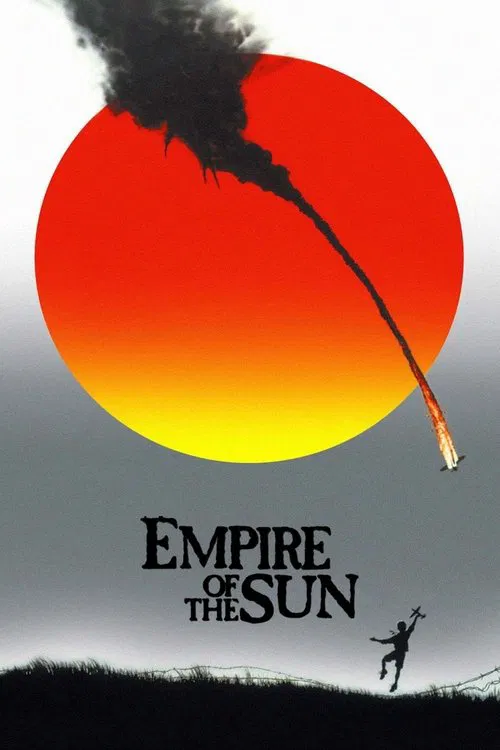
  4. Empire of the Sun (1987) poster

    Empire of the Sun

    Steven Spielberg · 1987

    The film stays with Jim from Shanghai to the camp to the march. You learn only what he can see and understand. His blind spots become yours, and that keeps you worried for him.

    Where to see it: The stadium at Nantao. Jim spends the night there with Mrs. Victor and sees the flash of the Nagasaki bombing from afar without knowing what it is.

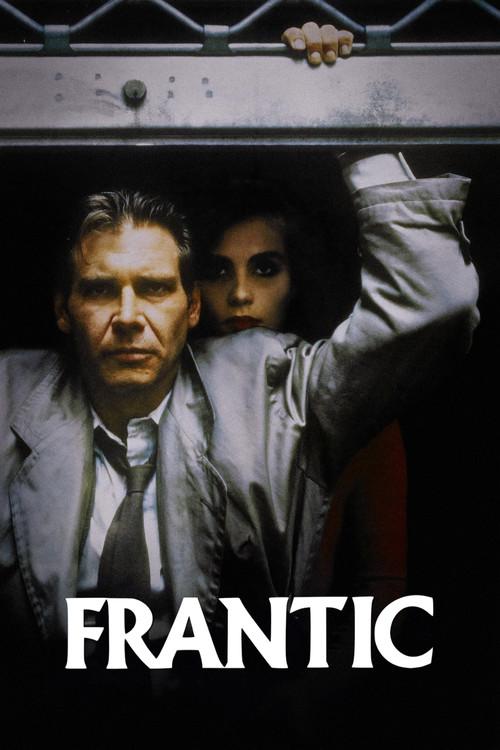
  5. Frantic (1988) poster

    Frantic

    Roman Polanski · 1988

    The film stays with Dr. Walker. You search for his wife in the hotel, hear about her from a wino and then find her ID bracelet, all as he does. You are as lost in Paris as he is.

    Where to see it: The hotel search: Walker searches the hotel and the streets for Sondra. A wino says he saw her forced into a car, and Walker finds her ID bracelet.

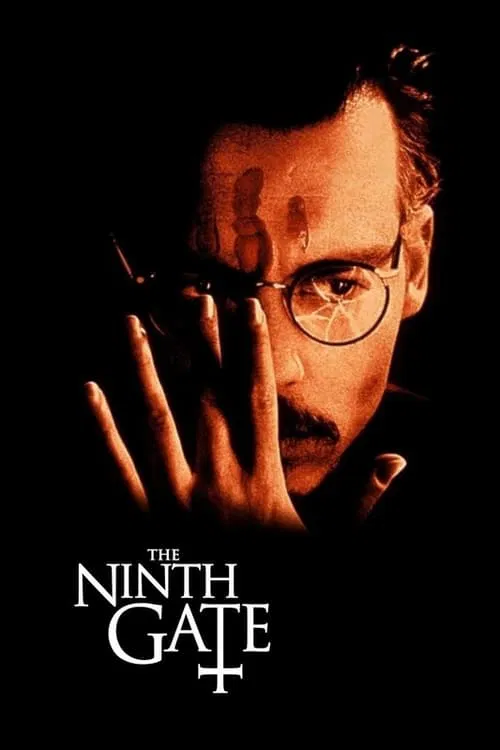
  6. The Ninth Gate (1999) poster

    The Ninth Gate

    Roman Polanski · 1999

    Most scenes follow Corso, so you learn only what he learns. When the bodies start turning up, you find them right behind him and have no more idea who to trust than he does.

    Where to see it: The hanged bookseller: Corso goes to collect the book he left with a bookseller and finds the man hanged in his store, in the way one of the engravings shows.

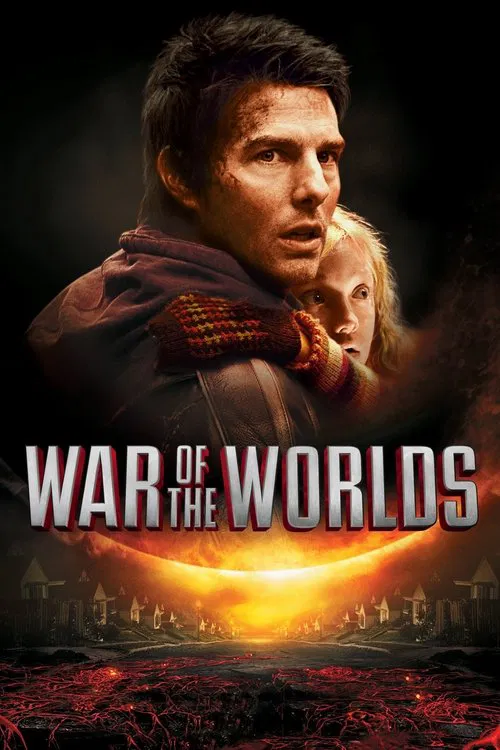
  7. War of the Worlds (2005) poster

    War of the Worlds

    Steven Spielberg · 2005

    We almost never leave Ray's side, so the invasion arrives piece by piece through his eyes. There are no scenes of generals or scientists explaining the plan. You are as lost as he is.

    Where to see it: The first tripod: A storm strikes, and Ray watches from the street as the ground splits and a machine rises out of it.

  8. The Ghost Writer (2010) poster

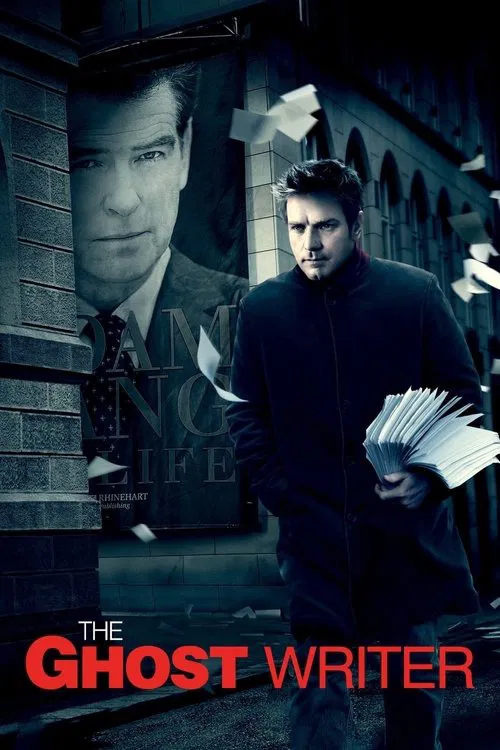
    The Ghost Writer

    Roman Polanski · 2010

    The story stays with the Ghost, who never gets a name. You learn only what he finds, and every clue reaches you when it reaches him. When he is cut off with no one to turn to, so are you.

    Where to see it: The shore: The Ghost investigates the beach where the earlier writer's body was found, and a resident tells him the tides would not leave a body there.

  9. Gravity (2013) poster

    Gravity

    Alfonso Cuarón · 2013

    After Kowalski disappears, the film stays almost entirely with Ryan Stone's point of view and the resources she has. You know exactly what she knows and no more. Each problem feels as impossible to you as it does to her.

    Where to see it: Stone alone in the Soyuz capsule, calculating her oxygen supply. The camera stays close on her face and the math is visible, so you do the arithmetic alongside her.

  10. Son of Saul (2015) poster

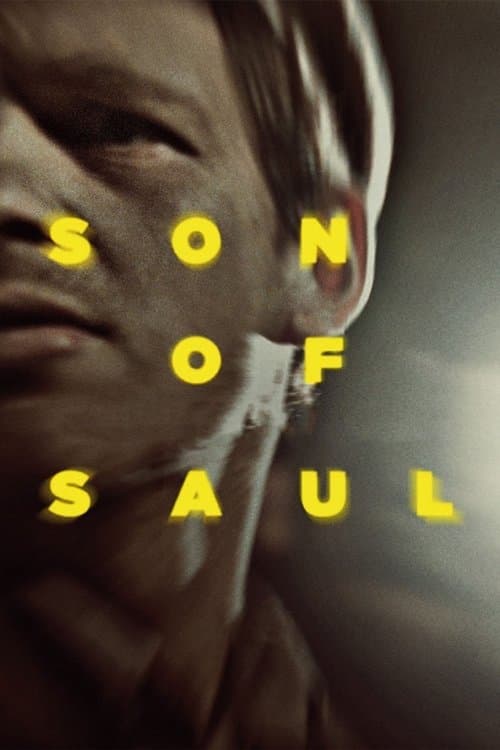
    Son of Saul

    László Nemes · 2015

    The camera stays within arm's reach of Saul for the entire film. You see only what he sees and know only what he knows. The full workings of the camp appear only as a blur at the edges. The horror is exactly as present as he can bear to know it.

    Where to see it: The gas chamber sequence. The camera stays on Saul's face outside the door. You hear the murders and never see them, because the film refuses to show what cannot be shown.

  11. Sicario (2015) poster

    Sicario

    Denis Villeneuve · 2015

    You see the story through Kate Macer, and she is systematically denied information about the operation she is part of. She knows exactly as little as you do. That is, the moral horror of the film is the experience of being complicit in something you can't fully see.

    Where to see it: Kate in the convoy approaching the border crossing. She knows less than anyone else in the vehicle and you know exactly what she knows. That is why you physically feel the danger of the ambush.

  12. Based on a True Story (2017) poster

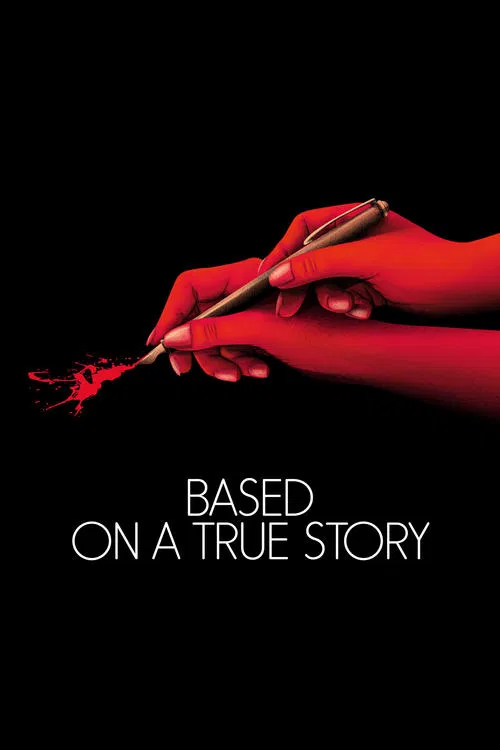
    Based on a True Story

    Roman Polanski · 2017

    The story stays close to Delphine, so you only know what she knows. When she begins to doubt and distrust, so do you, and the film gives you no outside view to check against.

    Where to see it: The writer's block: Delphine, worn down by attention and the letters, finds she is unable to write.

  13. A Quiet Place (2018) poster

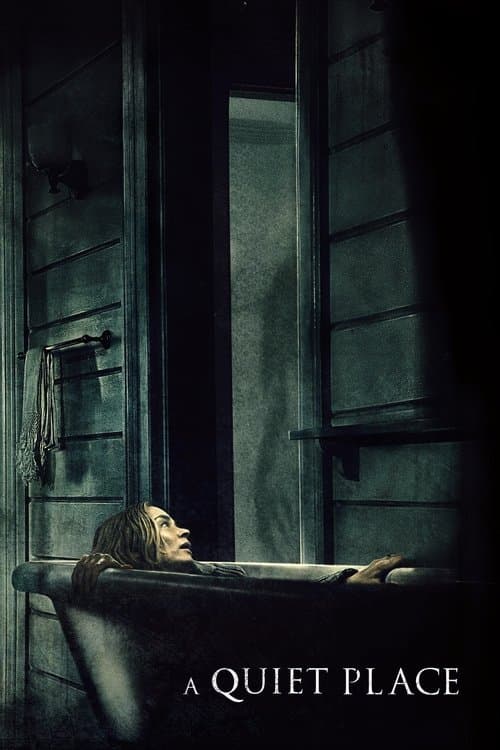
    A Quiet Place

    John Krasinski · 2018

    The film limits you entirely to what the family knows about the creatures and what they can do. Nobody explains the backstory and there are no authority figures. All you get are the rules the family has learned by surviving so far.

    Where to see it: Lee's whiteboard in the basement. Everything he has learned about the creatures is written in marker. It is your only briefing on how this world now works.

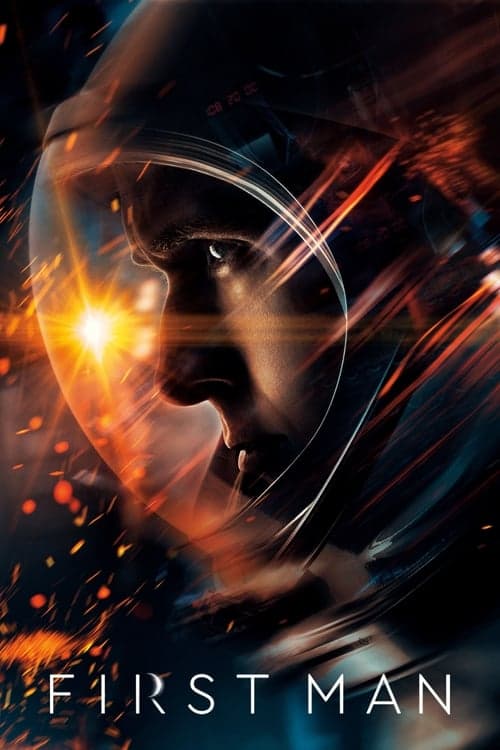
  14. First Man (2018) poster

    First Man

    Damien Chazelle · 2018

    Chazelle keeps the film almost entirely inside Armstrong's point of view. The moon landing is shown from inside the capsule and from behind the visor, as Neil's private experience. The global broadcast is left out. The most public event in human history is filmed in an intensely private way.

    Where to see it: The lunar landing sequence. The camera is inside the LEM with Armstrong, and you approach the lunar surface through the reflection in his visor. You experience the historic moment the way Neil does, which is fairly different from how the world watched it.

Questions

Quick answers

What is single pov restriction in film?
Limiting the film to what one character can see and know. The camera never goes where they couldn't be, so you share their blind spots and their vulnerability.
Which films use single pov restriction?
Rear Window (1954), Rosemary's Baby (1968), The Conversation (1974), Empire of the Sun (1987), Frantic (1988), The Ninth Gate (1999) and 8 more films in the CineCode library.
What kind of technique is single pov restriction?
It is a narrative technique. Related narrative techniques include The MacGuffin, Forensic Inference Narration.