Comedy · Romance · Drama

A Good Year

Ridley Scott, 2006

A cutthroat London trader inherits his late uncle's vineyard in Provence and goes there to sell it fast. The sun, the wine and a local café owner slow him down. It is a gentle comedy, and Scott lets the set design and the song choices do much of the talking.

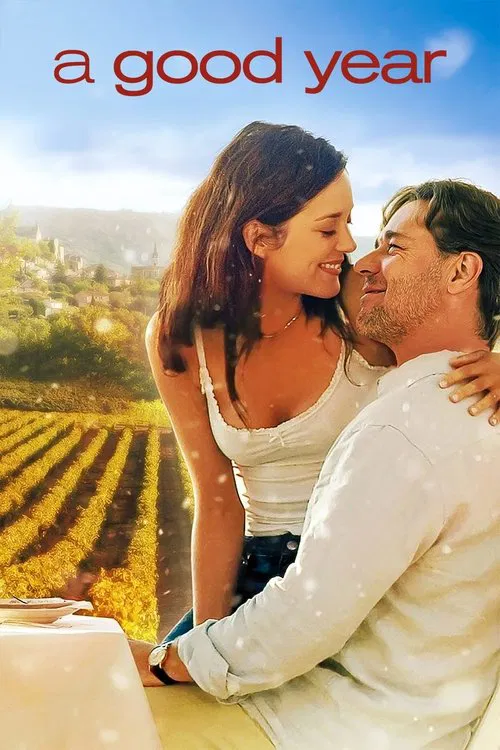
A Good Year (2006) poster

At a glance

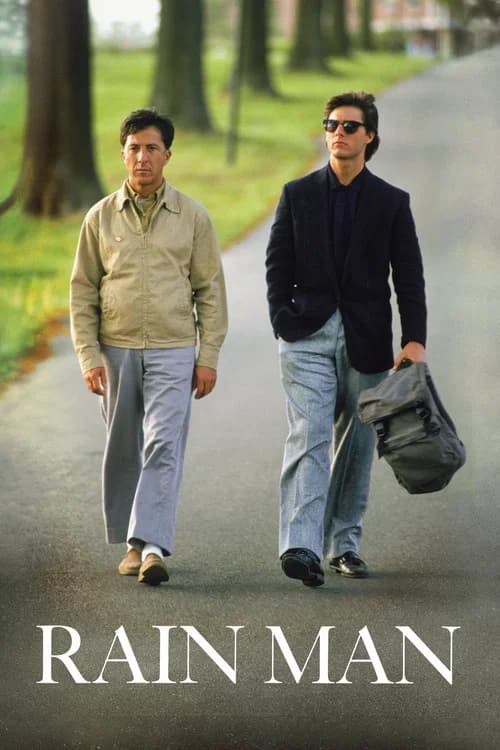
A Good Year is a 2006 comedy, romance and drama film directed by Ridley Scott. This breakdown covers 5 techniques (3 narrative, 1 cinematography and 1 sound), each with the scene where you can see it. If you like how it is made, Rain Man uses several of the same techniques.

Narrative

Fish-Out-of-Water Comedy

Dropping a character into a world whose social rules they don't understand. The comedy, and some insight too, comes from the constant mismatch between them and everyone around them.

How this film uses it

Max is a fast-talking trader who knows nothing about village life. He drives while fumbling with his phone and knocks the café owner Fanny off her bike. Then he falls into an empty, filthy swimming pool. Fanny lets him sit there until she turns the water on. His London habits keep failing him in Provence, and the mismatch is the joke.

Where to see it

The swimming pool: while taking photos for the sale, Max falls into the empty dirty pool, and Fanny fills it with water so he can climb out.
Narrative

Character Arc Inversion

Taking a character to the opposite of where they started, such as from weak to strong or from decent to compromised. That reversal is what the film is about.

How this film uses it

Max begins as an arrogant workaholic who gets a rival fired with bad advice. By the end he forges a letter that gives the estate to Christie, puts his London home up for sale and returns to Provence and Fanny. The man who wanted to sell fast becomes the one who stays.

Where to see it

The choice in London: offered a settlement or a partnership, Max sees the van Gogh copy in the conference room and reconsiders whether he wants to be like his chairman.

Narrative

Parallel Chronology

Cutting back and forth between 2 timelines, often past and present. Each one helps explain the other as the film goes on.

How this film uses it

Scenes of young Max with his Uncle Henry are cut into the present. Scott used the flashbacks to put Henry on screen instead of only describing him, and he wanted them to pay off across the 3 acts. As Max walks the estate, he remembers playing chess and tennis there as a boy.

Where to see it

The walk around the estate: Max explores the property and remembers the chess and tennis he played as a child.

Cinematography

Production Design as Psychological Space

Designing the sets to reflect what is going on inside a character. The place they live in tells you things about them that the dialogue doesn't.

How this film uses it

Designer Sonja Klaus dressed the sets to match the people who live in them. Fanny's café was filled with second-hand finds because the character would shop that way. The winemaker Duflot's home has kitschy decoration that shows a man keeping up with the Joneses. Each room tells you about its owner.

Where to see it

Fanny's restaurant: Max talks to Fanny in her busy restaurant, decorated with second-hand finds.

Sound

Pop Music Needle Drop

Playing an existing popular song at a precise moment in the film. The song's lyrics, era and associations add irony, period feel or emotion that an original score could not.

How this film uses it

Songs by Harry Nilsson, Johnny Hallyday and Jean Sablon fill the film. Nilsson's "Jump into the Fire" plays over the tennis match between Max and Duflot, a scene Scott added on set to replace an argument in the vines and make a "battle scene." The rock song makes a polite game feel like a fight.

Where to see it

The tennis match: Max and Duflot play on a clay court the production built from scratch, with posts from Wimbledon.

Questions

A Good Year: quick answers

What filmmaking techniques does A Good Year use?
CineCode breaks down 5 techniques in A Good Year (2006): Fish-Out-of-Water Comedy, Character Arc Inversion, Parallel Chronology, Production Design as Psychological Space and Pop Music Needle Drop.
Who directed A Good Year?
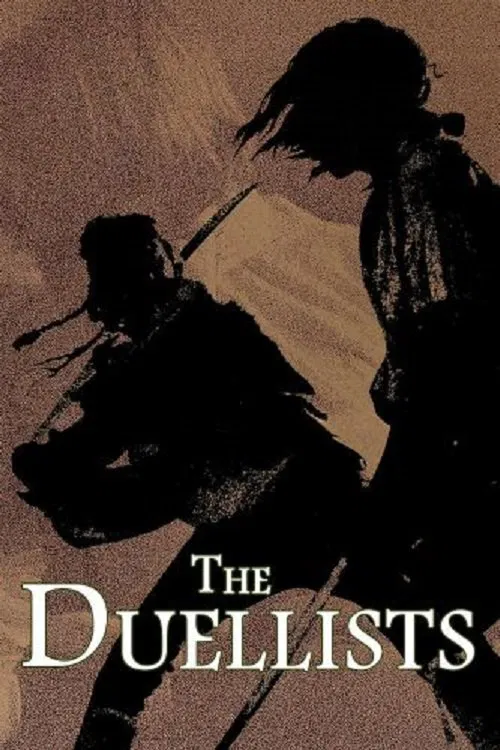
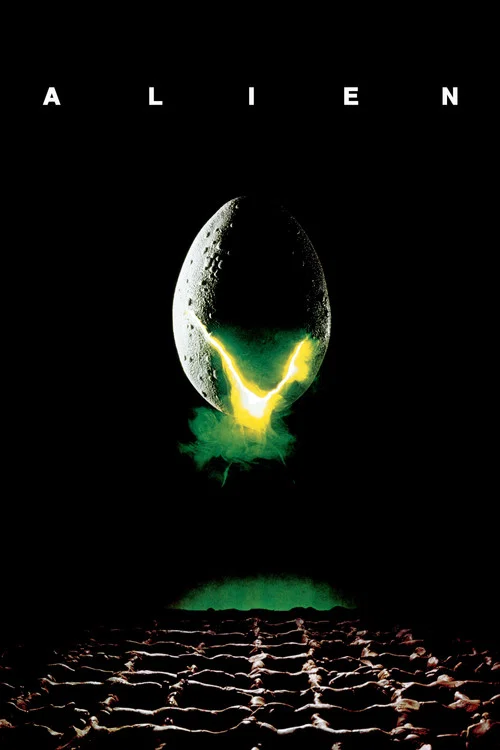
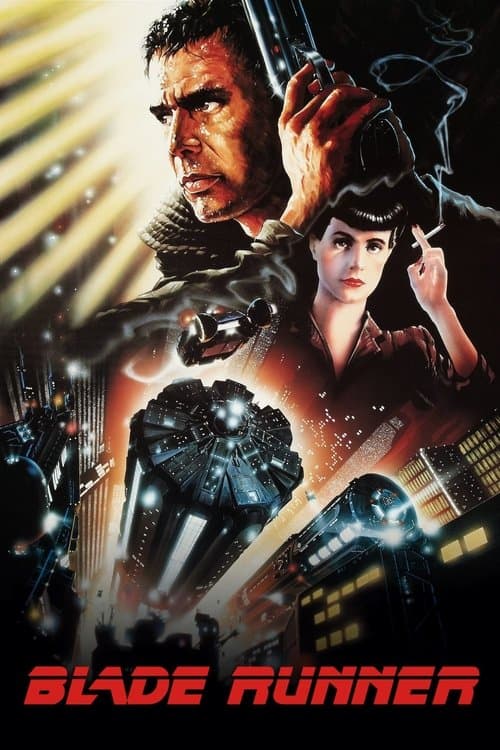
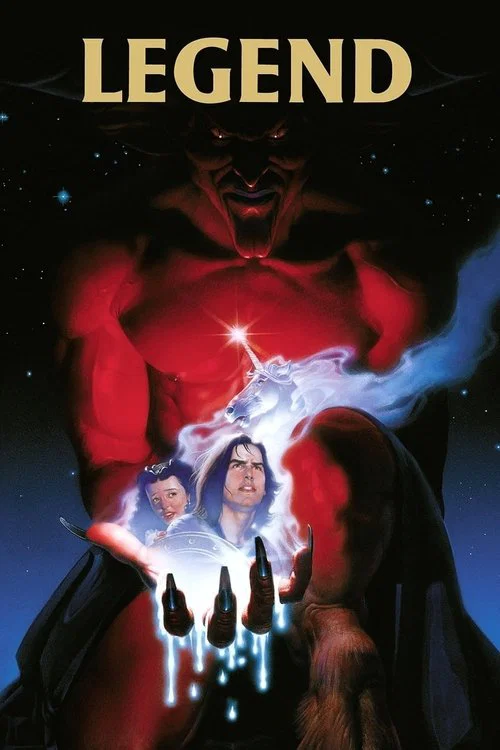
Ridley Scott directed A Good Year, released in 2006. CineCode also covers The Duellists (1977), Alien (1979), Blade Runner (1982), Legend (1985), Black Rain (1989), Thelma & Louise (1991).
What films are similar to A Good Year?
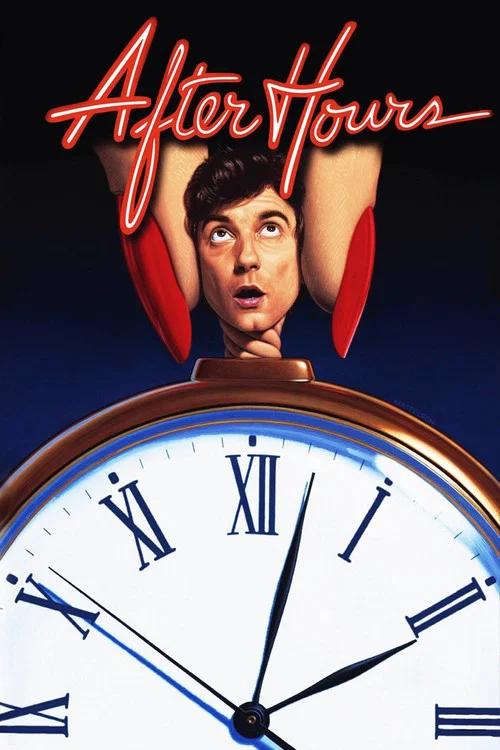
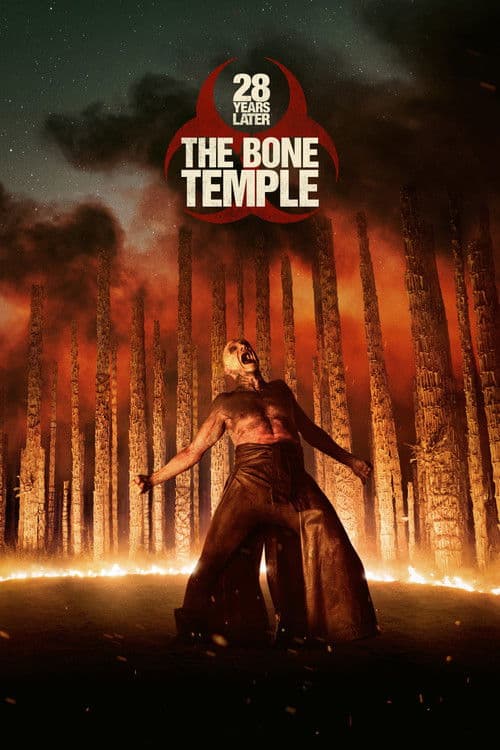
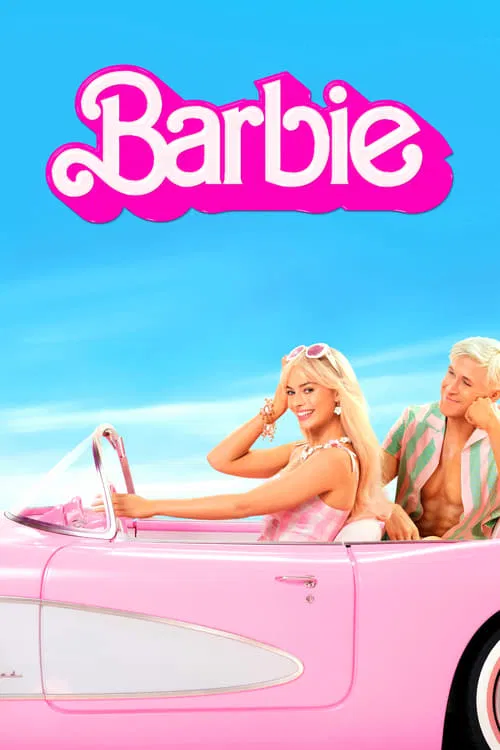
Films that share techniques with A Good Year include Rain Man (1988), Barbie (2023), After Hours (1985), 28 Years Later: The Bone Temple (2026).