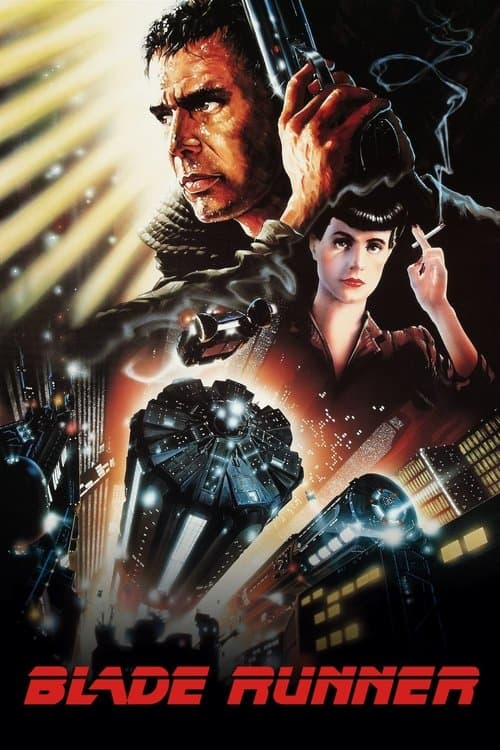
Blade Runner
Ridley Scott · 1982
A detective in a rain-soaked 2019 Los Angeles hunts down escaped synthetic humans called replicants, and begins to question the nature of his own humanity. The film that defined the visual grammar of cinematic dystopia.
Techniques Used
4 techniques identified in this film
Hard Science Fiction Aesthetics
CinematographyA visual design philosophy that extrapolates real-world technology and urban development into a future that feels materially continuous with the present — gritty, overpopulated, commercially saturated rather than clean and utopian.
How this film uses it
Scott and designer Syd Mead built Los Angeles 2019 as an extension of 1982's trends: more advertising, more density, more decay, technology layered over Victorian architecture. The city has not been rebuilt — it has accumulated. This accumulation gives the film its essential visual argument about what capitalism and neglect produce over time.
Unreliable Reality
PsychologyA film whose world itself may be subjective or unstable — where the nature of what is real cannot be determined from within the film's own logic.
How this film uses it
Is Deckard a replicant? The unicorn dream, planted or genuine, is the film's central unanswerable question. Scott's director's cut removes the voiceover that anchored the film in Deckard's perspective, making the entire film's reality open to question. The film's power is inseparable from this unresolvability.
Chiaroscuro Lighting
CinematographyHigh-contrast lighting using strong shadows and isolated light sources to create moral and psychological meaning through illumination and darkness.
How this film uses it
Jordan Cronenweth's cinematography gives every interior scene the look of a film noir photographed in the future: venetian blind shadows, neon color bleeding through rain-streaked windows, faces half in darkness. The lighting connects Blade Runner to classic noir's moral ambiguity while rendering it in an entirely new visual register.
Used Universe Aesthetic
CinematographyA production design approach that makes a science fiction world feel lived-in and deteriorating rather than pristine — technology that is dirty, repaired, and overlaid with commercial detritus.
How this film uses it
Every surface in Blade Runner's Los Angeles shows use, decay, and commercial intrusion. Spinners have scratches. Buildings are patched. The Tyrell Corporation sits in Egyptian grandeur above a city that is falling apart below. The aesthetic makes the future feel inevitable rather than imagined — this is where current trends actually lead.
You Might Also Like
Films that share at least one technique with Blade Runner
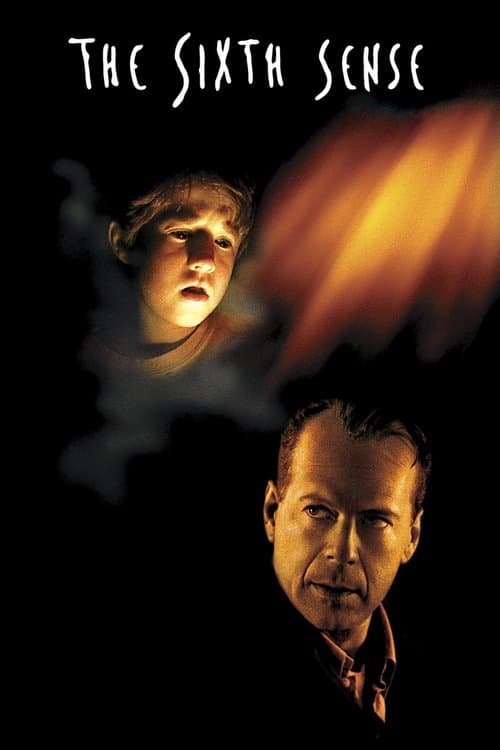
A child psychologist works with a troubled young boy who claims he can see dead people — and the film's final revelation retroactively transforms everything the audience thought they were watching. The most precisely constructed twist film in Hollywood history.
The Sixth Sense
M. Night Shyamalan · 1999
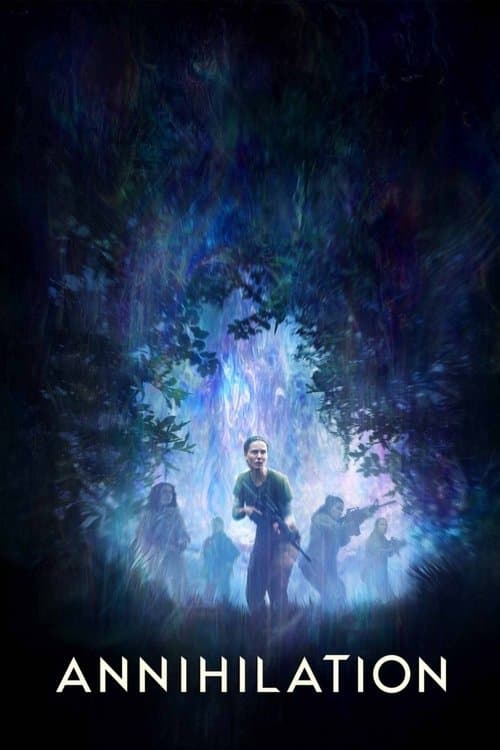
A biologist joins an expedition into the Shimmer — a mysterious quarantined zone where the laws of biology are rewriting themselves — to discover what happened to her husband. Alex Garland's film uses the conventions of science fiction horror to explore self-destruction, identity, and the unknowability of the self.
Annihilation
Alex Garland · 2018
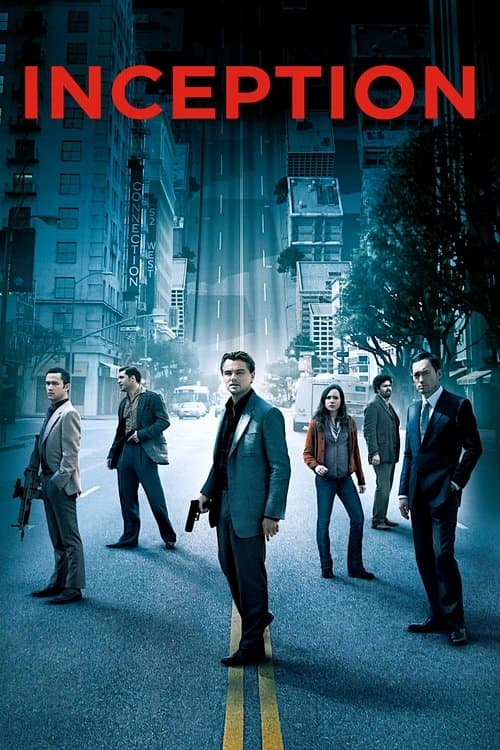
A skilled thief who enters people's dreams is offered a chance to have his criminal record erased if he can implant an idea into a CEO's mind. A labyrinthine heist film about grief, reality, and the architecture of the unconscious.
Inception
Christopher Nolan · 2010