War · Drama · Action

American Sniper

Clint Eastwood, 2014

Navy SEAL sniper Chris Kyle serves four tours in Iraq and earns the nickname Legend, while his marriage frays back home. The film follows what the war costs him and his family. Watch how Eastwood ends it with real footage and a long, quiet stretch.

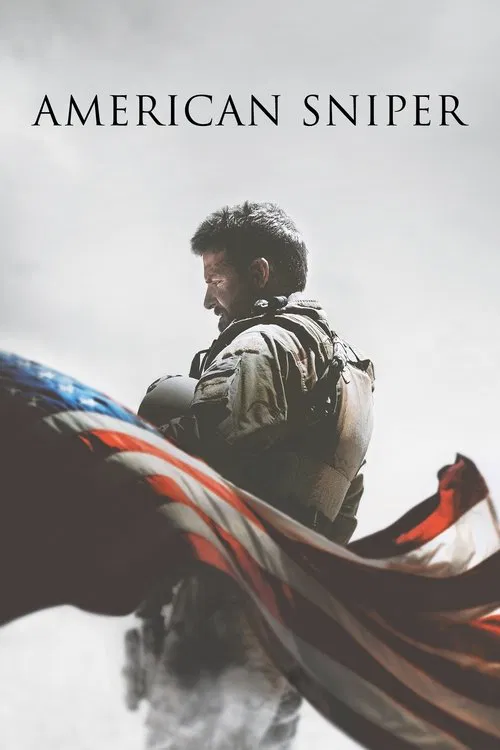
American Sniper (2014) poster

At a glance

American Sniper is a 2014 war, drama and action film directed by Clint Eastwood. This breakdown covers 4 techniques (2 psychology, 1 editing and 1 sound), each with the scene where you can see it. If you like how it is made, Mirror uses several of the same techniques.

Psychology

Psychological Doubling

Pairing the main character with a second character who mirrors them. The double shows what the hero wants, fears or secretly is.

How this film uses it

Kyle has a mirror in the enemy sniper Mustafa, an Olympic medalist from Syria. Both are the best shots on their side and each hunts the other. Their duel shows what Kyle's skill makes of him.

Where to see it

Mustafa: Mustafa pins Chris down while The Butcher kills a father and son. Later Chris takes him out with a 2,100-yard shot from a rooftop.


Psychology

Guilt as Hidden Motive

Letting a character's guilt over a past wrong shape what they do now. The wrong may come out late or only be hinted at, but it colors every choice.

How this film uses it

Kyle keeps going back to Iraq because of guilt about the people he could not save. His wife tells him she may not be there when he returns. The film shows a man who cannot stay home because home does not hold the war's weight.

Where to see it

Fourth tour: after Marc Lee is killed, guilt compels Chris to take a fourth tour. Taya tells him she may not be there when he gets back.

Editing

Documentary Footage Integration

Cutting real documentary or archive footage into a fictional story, such as authentic records of wartime atrocities. It grounds the fiction in history and blurs the line between cinema and the record.

How this film uses it

After an on-screen note says Kyle was killed, the film uses archive footage of the crowds lining the highway for his funeral procession. Real people in real grief replace the actors. It puts the story back inside a real event.

Where to see it

Closing: a subtitle reveals Kyle was killed by Eddie Ray Routh. Archive footage of crowds along the highway for the funeral procession follows, then footage of the memorial service.

Sound

Strategic Silence

Removing music, background sound or dialogue from a moment where most films would fill it. The quiet forces you to sit with what is on screen.

How this film uses it

After the funeral footage, the end credits are a long stretch without music. There is no swelling song telling you how to feel. You sit with what you have just seen.

Where to see it

End credits: the film ends on real funeral and memorial footage, and the later part of the credits plays without music.

Questions

American Sniper: quick answers

What filmmaking techniques does American Sniper use?
CineCode breaks down 4 techniques in American Sniper (2014): Psychological Doubling, Guilt as Hidden Motive, Documentary Footage Integration and Strategic Silence.
Who directed American Sniper?
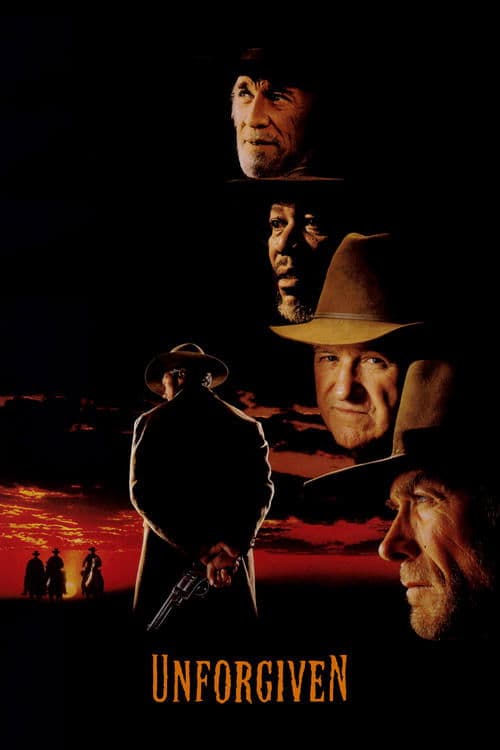
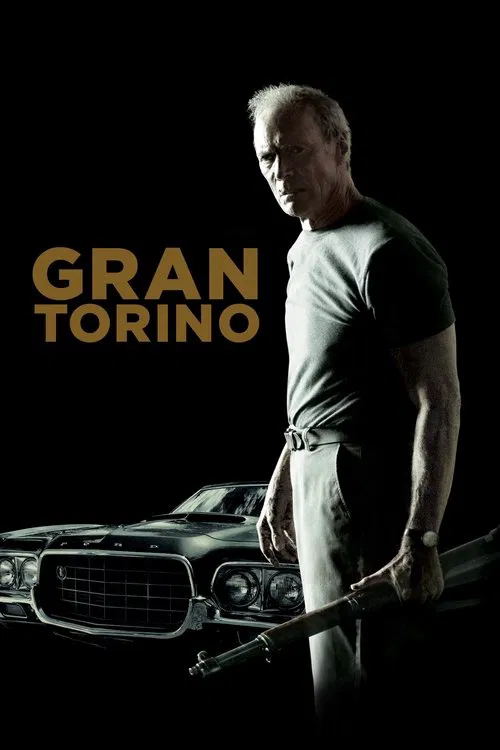
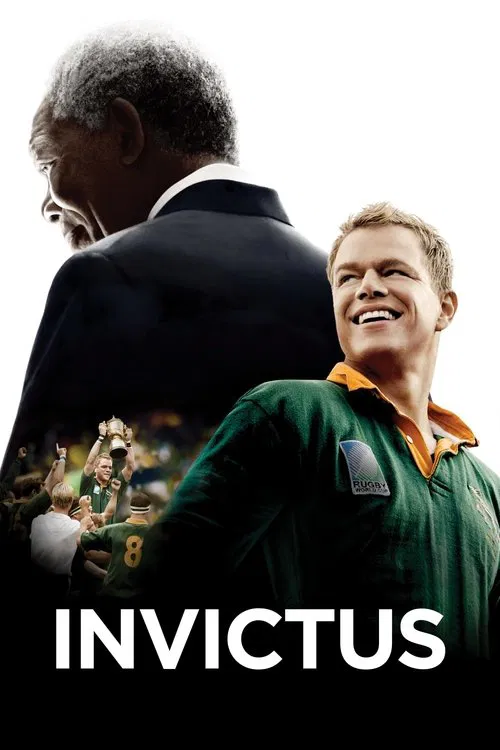
Clint Eastwood directed American Sniper, released in 2014. CineCode also covers Unforgiven (1992), Mystic River (2003), Million Dollar Baby (2004), Gran Torino (2008), Changeling (2008), Invictus (2009).
What films are similar to American Sniper?
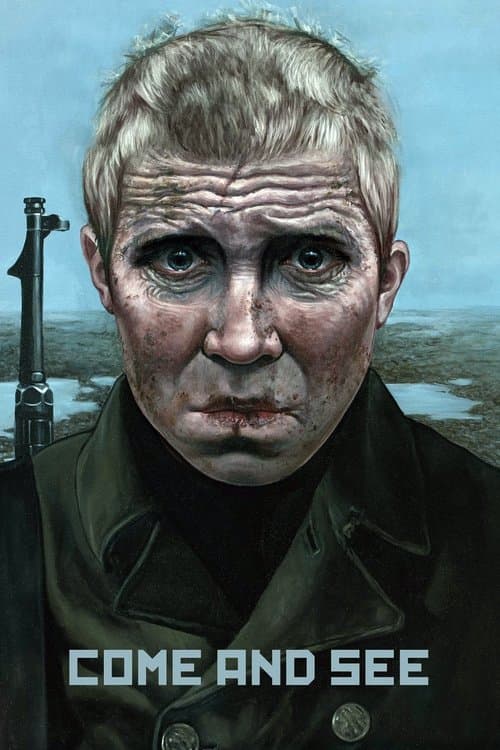
Films that share techniques with American Sniper include Mirror (1975), Black Swan (2010), Schindler's List (1993), Come and See (1985).