Thriller · Drama

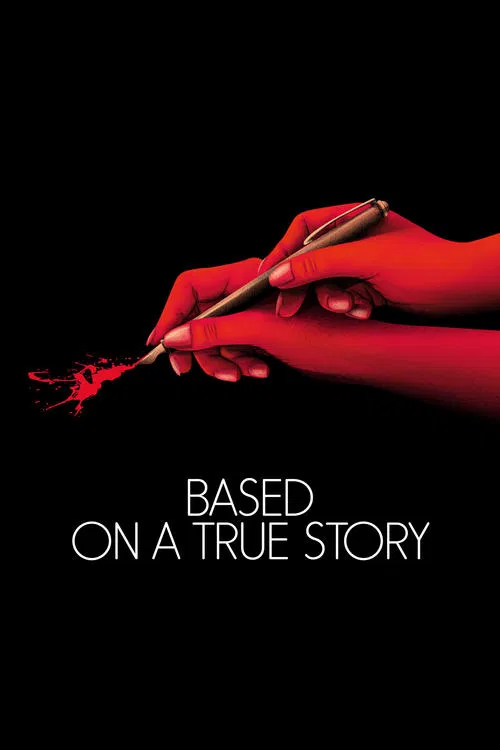
Based on a True Story

Roman Polanski, 2017

Delphine, a writer whose first novel about her mother became a hit, starts receiving anonymous letters and cannot write. Then a magnetic younger woman called Elle enters her life and seems to understand her better than anyone. Watch how Polanski lets a friendship slowly start to feel like a threat.

Based on a True Story (2017) poster

At a glance

Based on a True Story is a 2017 thriller and drama film directed by Roman Polanski. This breakdown covers 4 techniques (2 psychology, 1 narrative and 1 cinematography), each with the scene where you can see it. If you like how it is made, 8½ uses several of the same techniques.

Psychology

Psychological Doubling

Pairing the main character with a second character who mirrors them. The double shows what the hero wants, fears or secretly is.

How this film uses it

Elle is younger, sure of herself and the opposite of the blocked, anxious Delphine. She seems to know exactly what Delphine wants. You can read her as a friend, a rival or a part of Delphine's own mind.

Where to see it

Meeting Elle: Depressed and unable to write, Delphine meets Elle and begins to confide in her.
Psychology

Unreliable Reality

Keeping it unclear what is real and what is imagined in the film's world. You end up as unsure as the main character.

How this film uses it

Part of the unease is that you cannot be sure how much of Elle's hold on Delphine is real. The film keeps you guessing whether she is just what she appears to be.

Where to see it

The anonymous letters: Delphine receives letters accusing her of exposing her family to the public, and they leave her depressed and blocked.

Narrative

Single POV Restriction

Limiting the film to what one character can see and know. The camera never goes where they couldn't be, so you share their blind spots and their vulnerability.

How this film uses it

The story stays close to Delphine, so you only know what she knows. When she begins to doubt and distrust, so do you, and the film gives you no outside view to check against.

Where to see it

The writer's block: Delphine, worn down by attention and the letters, finds she is unable to write.

Cinematography

Isolated Setting as Threat

Moving the story into a remote house, forest or landscape where no help can arrive. The quiet surroundings stop being a refuge and add to the dread.

How this film uses it

Part of the film leaves the city for the countryside, where part of it was shot in the Perche region. Far from anyone else, the two women have only each other.

Where to see it

The country house: The story moves to a house in the countryside, away from Delphine's city life.

Questions

Based on a True Story: quick answers

What filmmaking techniques does Based on a True Story use?
CineCode breaks down 4 techniques in Based on a True Story (2017): Psychological Doubling, Unreliable Reality, Single POV Restriction and Isolated Setting as Threat.
Who directed Based on a True Story?
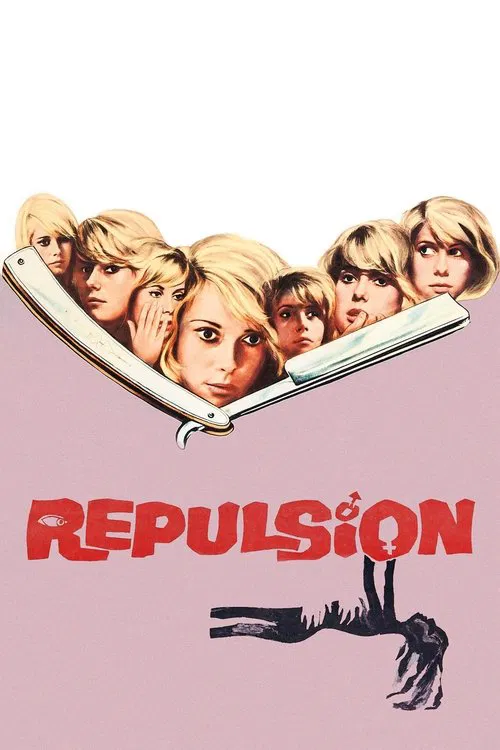
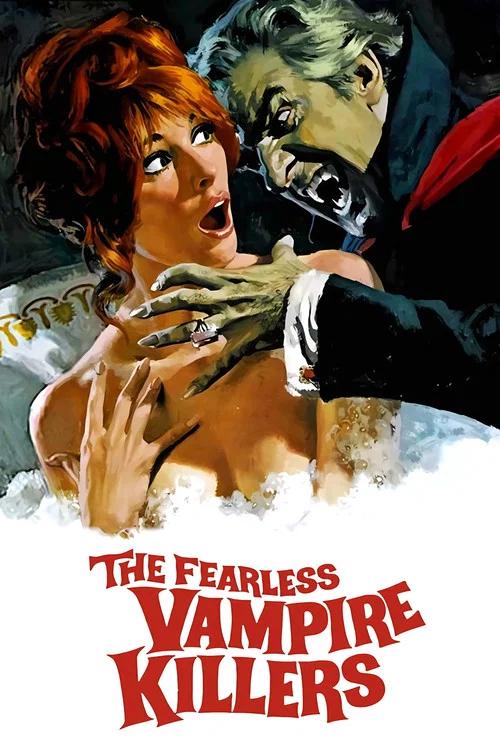
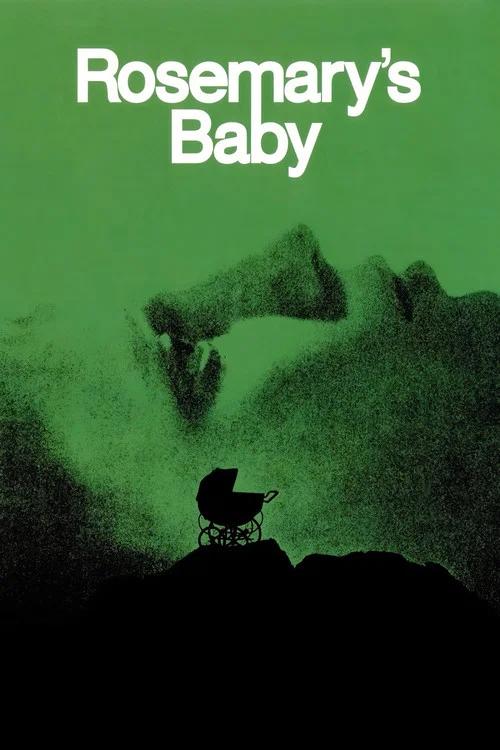
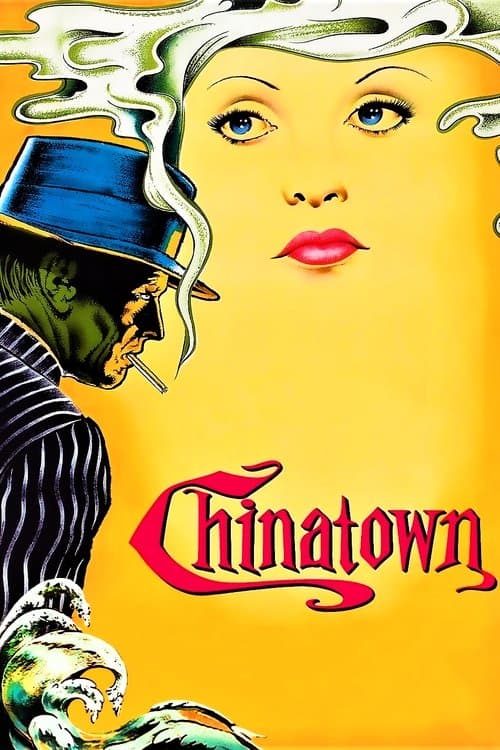
Roman Polanski directed Based on a True Story, released in 2017. CineCode also covers Repulsion (1965), The Fearless Vampire Killers (1967), Rosemary's Baby (1968), Chinatown (1974), The Tenant (1976), Frantic (1988).
What films are similar to Based on a True Story?
Films that share techniques with Based on a True Story include 8½ (1963), Persona (1966), The Lighthouse (2019), Perfect Blue (1997).