Comedy · Crime

Bullets Over Broadway

Woody Allen, 1994

In 1928, an idealistic young playwright needs money for his Broadway play, so he casts a gangster's talentless girlfriend. Her bodyguard turns out to have a gift for fixing the script. It is worth watching as a funny and sharp argument about what makes someone an artist.

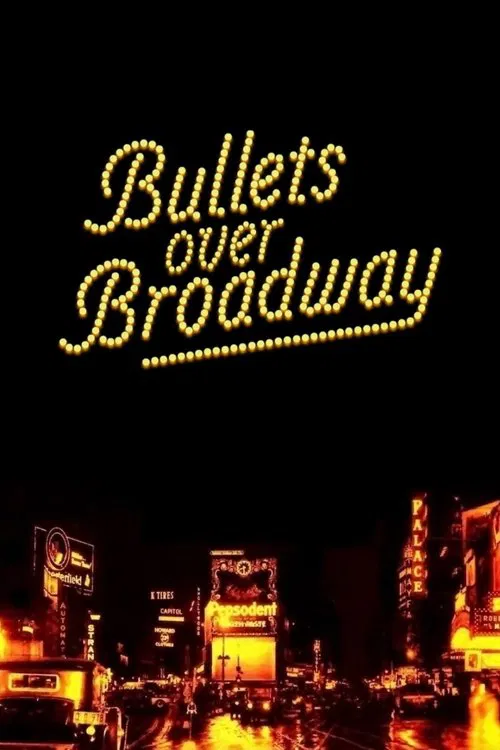
Bullets Over Broadway (1994) poster

At a glance

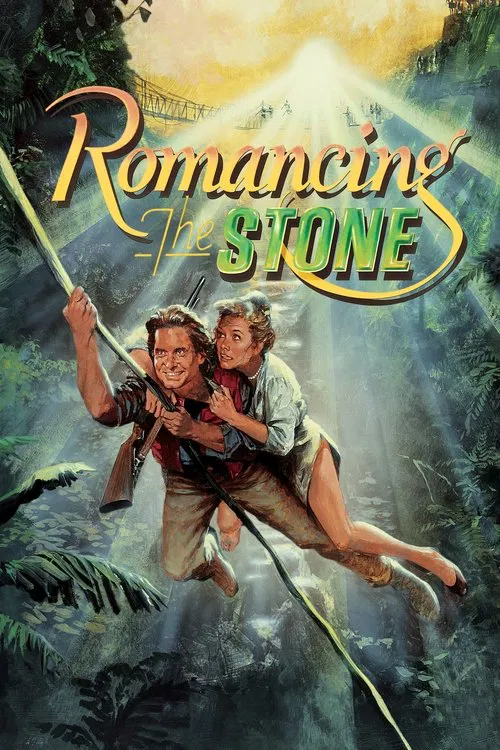
Bullets Over Broadway is a 1994 comedy and crime film directed by Woody Allen. This breakdown covers 5 techniques (3 narrative, 1 psychology and 1 cinematography), each with the scene where you can see it. If you like how it is made, Romancing the Stone uses several of the same techniques.

Narrative

Odd Couple Class Structure

Pairing characters from opposite social worlds who find each other strange. Their friction produces the comedy, and what they learn from each other produces the emotion.

How this film uses it

David Shayne is a high-minded playwright from Pittsburgh. Cheech is a gangster's henchman who barely learned to read. They find each other baffling. The friction produces most of the jokes, and then the film's best idea.

Where to see it

The rehearsals. Cheech sits through them and starts rewriting David's script, and his notes are excellent.
Narrative

Genre Collage

Mixing several genres in 1 film, such as crime, romance, horror and absurd comedy. The clash between them keeps you from settling into a single way of watching.

How this film uses it

A backstage comedy sits next to a gangster story. A mobster pays for the play, and Cheech's solution to a bad actress is deadly. The jokes make the violence strange and the violence makes the jokes bite.

Where to see it

Olive's killing. When David reminds Cheech that Olive can't simply be fired, Cheech murders her and dumps her body in a river.

Narrative

Art Versus Life Dilemma

Forcing a creator to choose between the integrity of their work and the human cost of making it. The film asks what a good piece of art is worth.

How this film uses it

David wants the play to be good. The only way is to let a murderer improve it. The film asks what a great play is worth and who pays for it. David ends up admitting he lacks talent.

Where to see it

Opening night. Cheech is shot backstage and, as he dies, gives David a new final line for the play.

Psychology

Self-Image Sabotage

Letting a character's belief about themselves undermine their talent or fortune. They wreck their own chances because of how they see who they are.

How this film uses it

David believes he is a serious artist, but Cheech has the real gift. Cheech wants no credit, so the praise goes to David. The film makes you laugh at the vanity and then feel the sting.

Where to see it

David's confession. After the play's success, David admits to Flender that he lacks talent.

Cinematography

Single Space as Dramatic Stage

Setting most of the drama in one defined place, such as a corridor, hideout or backstage area. Its layout and lighting shape the action and become a main visual character.

How this film uses it

Much of the film is set in a Broadway production's rehearsal rooms and backstage corridors. This is where the pretending happens, and it is also where the real danger builds. By opening night, the line between the stage and real violence is blurred.

Where to see it

Cheech's death. Valenti's men shoot him backstage on opening night.

Questions

Bullets Over Broadway: quick answers

What filmmaking techniques does Bullets Over Broadway use?
CineCode breaks down 5 techniques in Bullets Over Broadway (1994): Odd Couple Class Structure, Genre Collage, Art Versus Life Dilemma, Self-Image Sabotage and Single Space as Dramatic Stage.
Who directed Bullets Over Broadway?
Woody Allen directed Bullets Over Broadway, released in 1994. CineCode also covers Take the Money and Run (1969), Bananas (1971), Everything You Always Wanted to Know About Sex *But Were Afraid to Ask (1972), Sleeper (1973), Love and Death (1975), Annie Hall (1977).
What films are similar to Bullets Over Broadway?
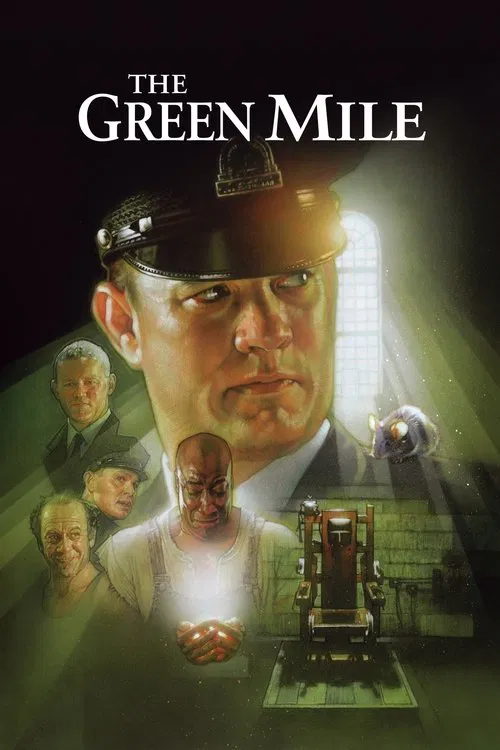
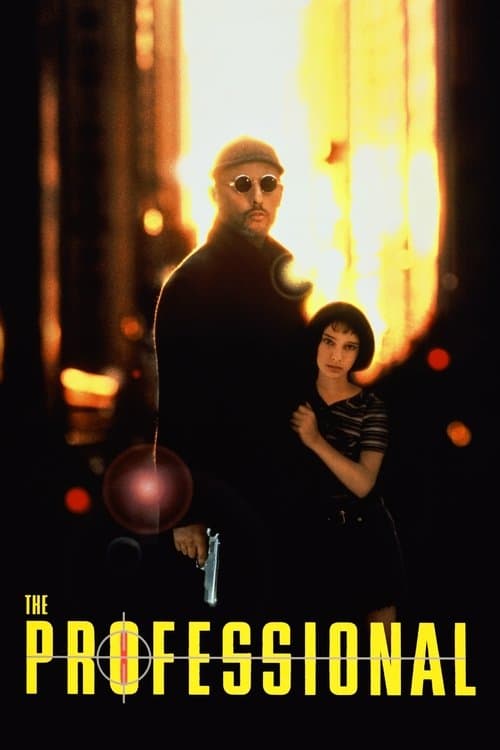
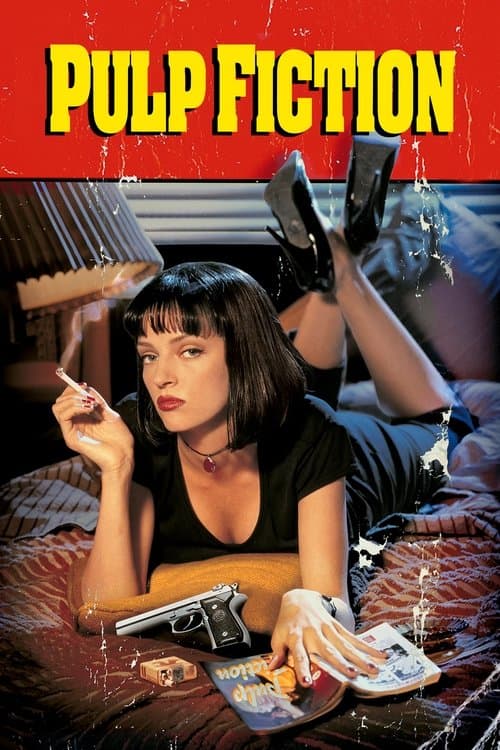
Films that share techniques with Bullets Over Broadway include Romancing the Stone (1984), Pulp Fiction (1994), The Green Mile (1999), Léon: The Professional (1994).