Science Fiction · Drama · Mystery

Contact

Robert Zemeckis, 1997

Scientist Ellie Arroway hears a signal from the star Vega, and the world scrambles to decode it. The film is as much about faith and evidence as it is about aliens. Watch how the opening and the final hearing play with scale and doubt.

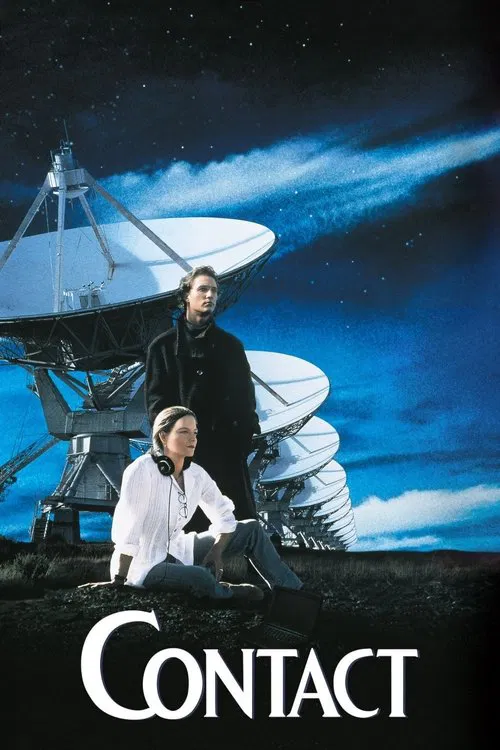
Contact (1997) poster

At a glance

Contact is a 1997 science fiction, drama and mystery film directed by Robert Zemeckis. This breakdown covers 4 techniques (2 cinematography, 1 sound and 1 narrative), each with the scene where you can see it. If you like how it is made, Parasite uses several of the same techniques.

Cinematography

Showy Opening Camera Move

Starting the film with one dramatic camera move that rushes through a space or pulls away to reveal vast scale. The opening sets the energy and size of the story.

How this film uses it

The film begins with a long pullback from Earth, past the Moon, Mars and the Milky Way, while radio broadcasts fade behind it. It ends on young Ellie's eye. The move makes human voices feel tiny and sets up the film's big question.

Where to see it

The opening: The camera pulls back from Earth through the solar system, then the galaxy, and ends on young Ellie's eye as she listens to her radio.
Sound

Diegetic Sound Design

Using sounds the characters themselves can hear, like footsteps, radios or traffic, to build tension or show how someone feels. The sound does more than make the scene realistic.

How this film uses it

The story depends on what the characters hear. The signal arrives as sound in headphones and speakers at the radio array. The mix puts you right with Ellie as she listens.

Where to see it

The signal from Vega: At the Very Large Array in New Mexico, Ellie's team detects a sequence of prime numbers coming from Vega.

Cinematography

Historical Compositing

Digitally placing a fictional character into real archive footage, or blending actors with rebuilt period sets and backgrounds. It looks as if the character was really there in history.

How this film uses it

Real news footage, including Bill Clinton, was digitally altered so he seems to address the alien signal. This makes the story feel like it is happening in the real world. The White House objected to the use.

Where to see it

The news footage: Archive footage of a real president appears to comment on the signal.

Narrative

Socratic Dialogue Structure

Building scenes out of questions and answers, where 1 character tests and picks apart what another believes. The argument itself drives the drama.

How this film uses it

Ellie's arguments with others about faith and proof are scenes of questions and answers. Characters test each other's beliefs. The film itself ends with a hearing that doubts her story.

Where to see it

The final hearing: Ellie tells the committee she cannot prove her journey, since her recorder captured only about 18 hours of static, and asks them to take it on faith.

Questions

Contact: quick answers

What filmmaking techniques does Contact use?
CineCode breaks down 4 techniques in Contact (1997): Showy Opening Camera Move, Diegetic Sound Design, Historical Compositing and Socratic Dialogue Structure.
Who directed Contact?
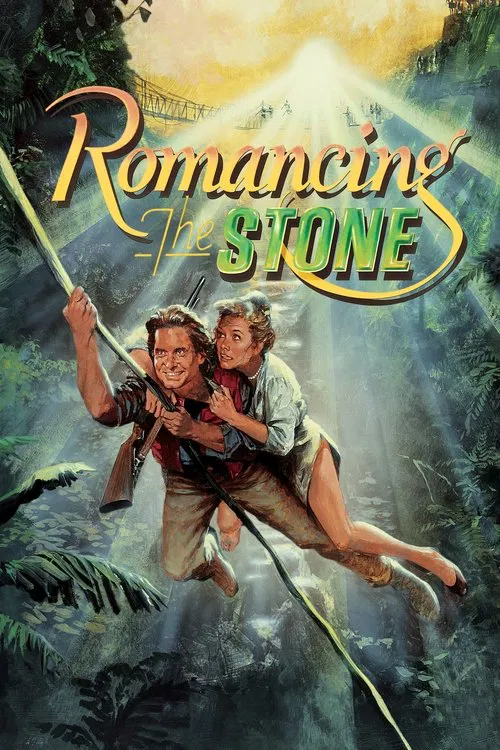
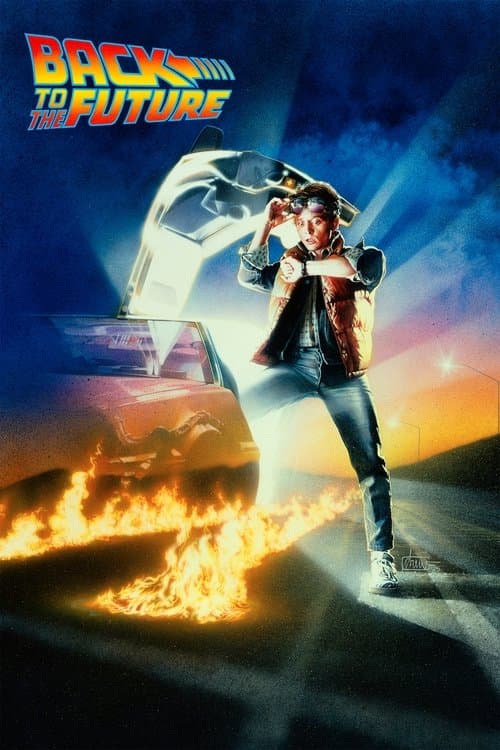
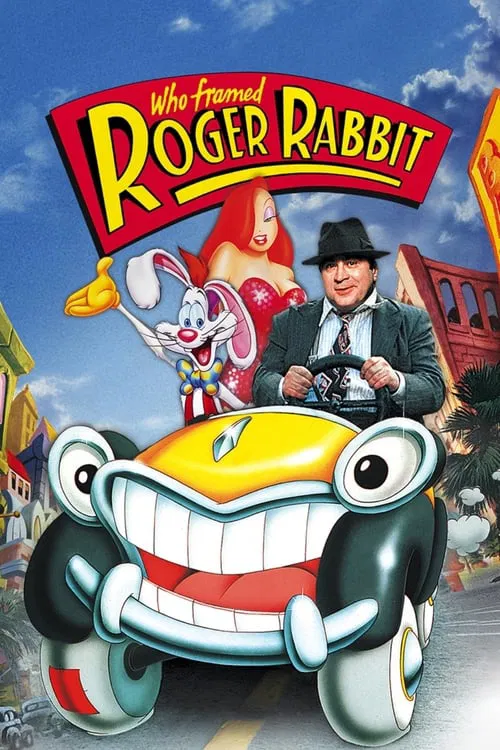
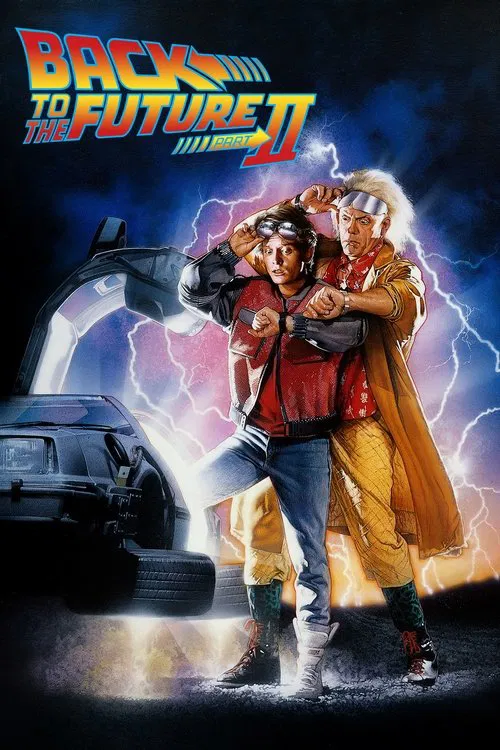
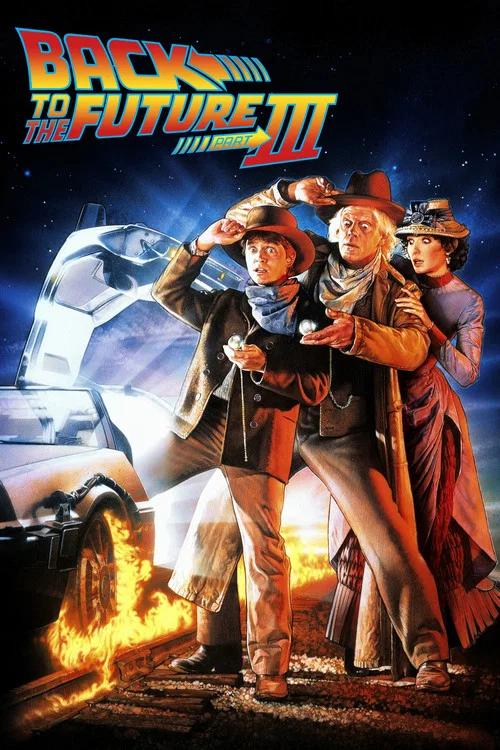
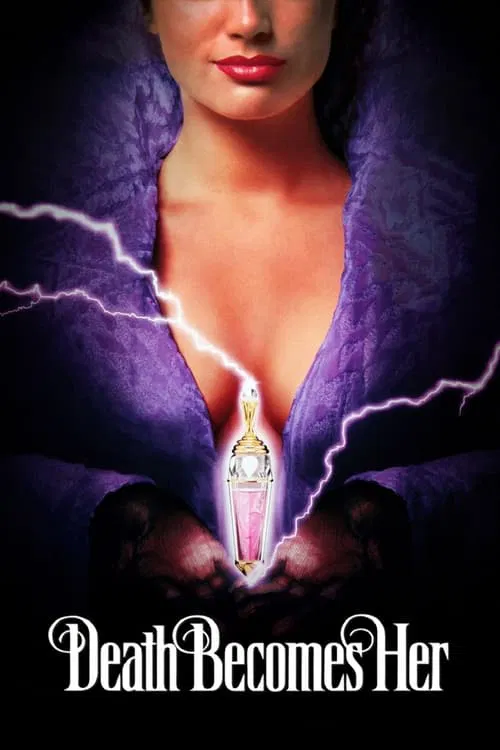
Robert Zemeckis directed Contact, released in 1997. CineCode also covers Romancing the Stone (1984), Back to the Future (1985), Who Framed Roger Rabbit (1988), Back to the Future Part II (1989), Back to the Future Part III (1990), Death Becomes Her (1992).
What films are similar to Contact?
Films that share techniques with Contact include Parasite (2019), The Shining (1980), Her (2013), 12 Angry Men (1957).