Horror · Romance · Drama

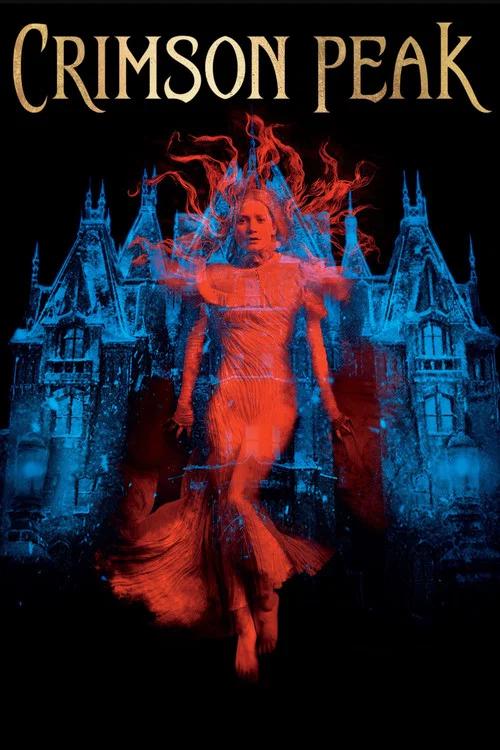
Crimson Peak

Guillermo del Toro, 2015

An aspiring writer marries a charming English baronet and moves into his decaying mansion, where his sister rules the house and ghosts show up in red. It is a gothic romance with a dark secret. Look at how the house, the color red and a few clues carry the story.

Crimson Peak (2015) poster

At a glance

Crimson Peak is a 2015 horror, romance and drama film directed by Guillermo del Toro. This breakdown covers 5 techniques (2 cinematography, 2 narrative and 1 sound), each with the scene where you can see it. If you like how it is made, Get Out uses several of the same techniques.

Cinematography

Gothic Mansion Symbolism

Setting the story in a large, decaying or out-of-date house that mirrors its owner's mind. The building shows the feelings and history that keep the people inside trapped.

How this film uses it

Allerdale Hall is a decaying house in Cumberland that is slowly sinking into a red clay mine. The rot in the house matches the rot in the family that lives there. Its look tells you the Sharpes are trapped by their past.

Where to see it

Arrival at Allerdale Hall: Edith moves into the sinking mansion with Thomas and his sister Lucille.
Cinematography

Color Symbolism

Giving specific colors to characters, groups or ideas and sticking to them through the film. Each time a color appears, it tells you something beyond what is shown.

How this film uses it

Red clay seeps up through the ground and stains the snow, which gives the house its name. The ghosts also appear in red. Whenever you see the color, it ties back to death and the secret under the house.

Where to see it

The snow: Thomas explains that the estate is called Crimson Peak because the warm clay stains the winter snow red.

Narrative

Chekhov's Gun

Showing an object or detail early on that becomes important later. The idea is that nothing gets screen time unless the story is going to use it.

How this film uses it

Small things planted early pay off later. The wax cylinders in a closet, the locked trunk and the tea Lucille serves all return as the truth. Because you saw them, the reveal feels earned.

Where to see it

The gramophone: Edith finds wax phonograph cylinders in a closet, later opens a locked trunk and uses the gramophone to learn that Thomas has married three other wealthy women.

Narrative

Ghost as Moral Figure

Using a ghost as a moral presence tied to past wrongs, often gentler than the living, so the real horror and the real hope come from human choices.

How this film uses it

The ghosts do not hurt Edith. Her dead mother warns her, and Thomas's ghost stops Lucille at the end. The people who poison, steal and kill are alive.

Where to see it

The opening: Edith's dead mother appears and warns her to beware of Crimson Peak.

Sound

Leitmotif

Repeating a short piece of music or a sound every time a certain character, idea or feeling comes up. You learn to connect the 2.

How this film uses it

At the end, Lucille becomes the ghost of Allerdale Hall and plays the piano forever. A single instrument stands in for her. You hear her before you think of her.

Where to see it

The final scene: Lucille becomes the ghost of Allerdale Hall, playing the piano.

Questions

Crimson Peak: quick answers

What filmmaking techniques does Crimson Peak use?
CineCode breaks down 5 techniques in Crimson Peak (2015): Gothic Mansion Symbolism, Color Symbolism, Chekhov's Gun, Ghost as Moral Figure and Leitmotif.
Who directed Crimson Peak?
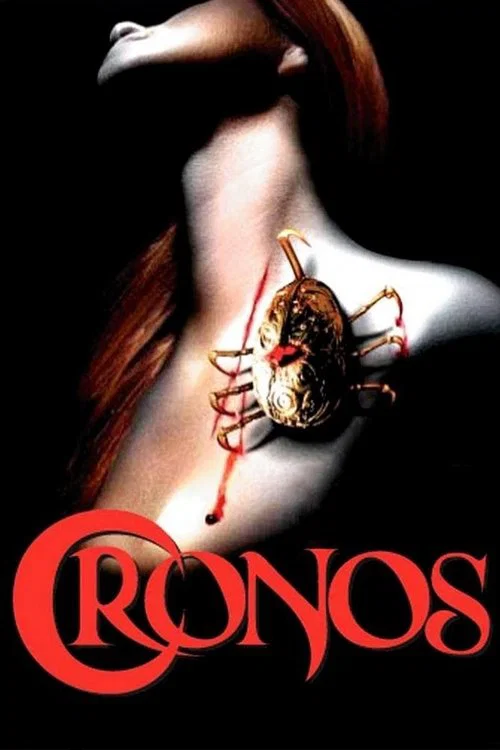
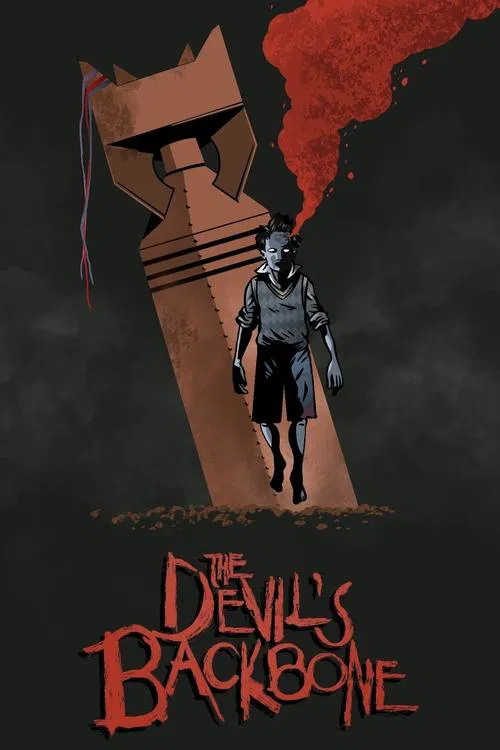
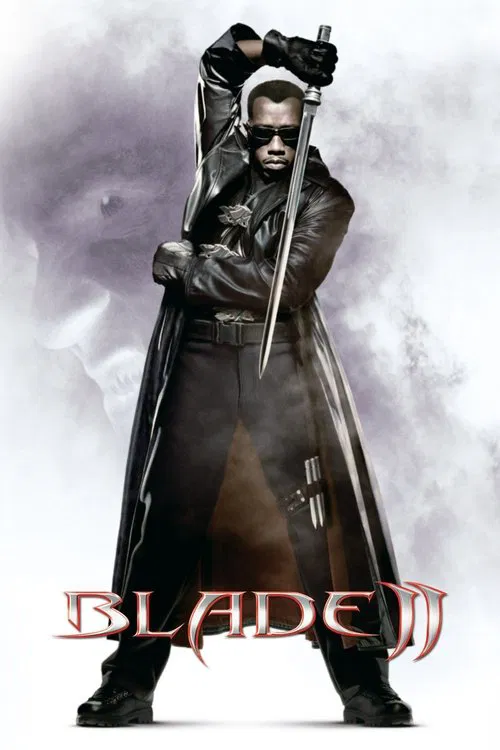
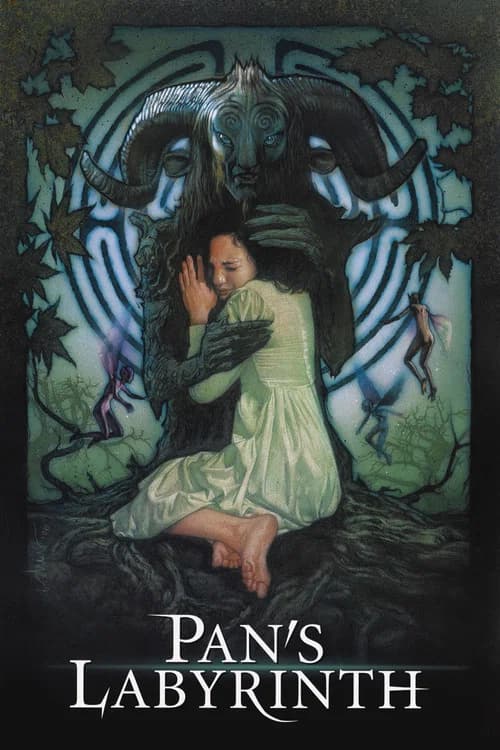
Guillermo del Toro directed Crimson Peak, released in 2015. CineCode also covers Cronos (1993), Mimic (1997), The Devil's Backbone (2001), Blade II (2002), Hellboy (2004), Pan's Labyrinth (2006).
What films are similar to Crimson Peak?
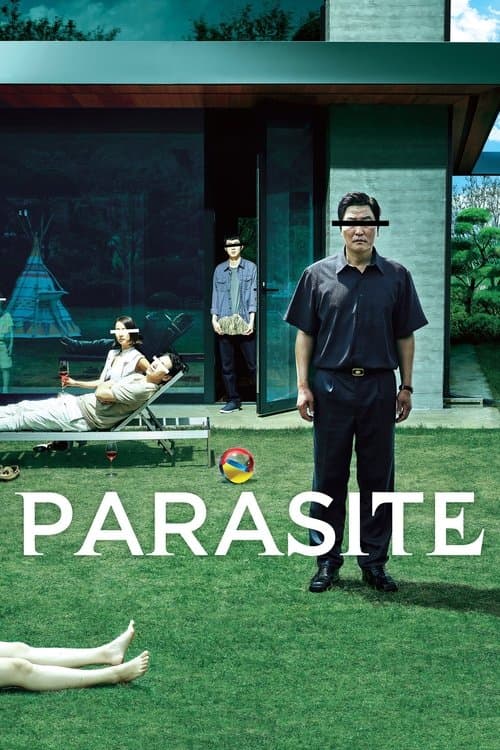
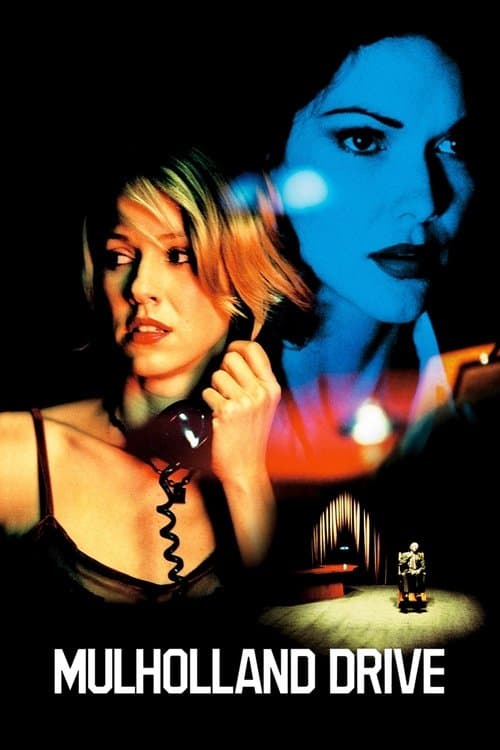
Films that share techniques with Crimson Peak include Get Out (2017), Ran (1985), Parasite (2019), Mulholland Drive (2001).