Romance · Comedy · Drama

Punch-Drunk Love

Paul Thomas Anderson, 2002

A lonely novelty-plunger salesman with seven sisters and a hidden temper falls for a woman who arrives like a fluke. Anderson calls it an art-house Adam Sandler film. Watch how the music, the color art and the genre jumps copy what Barry feels inside.

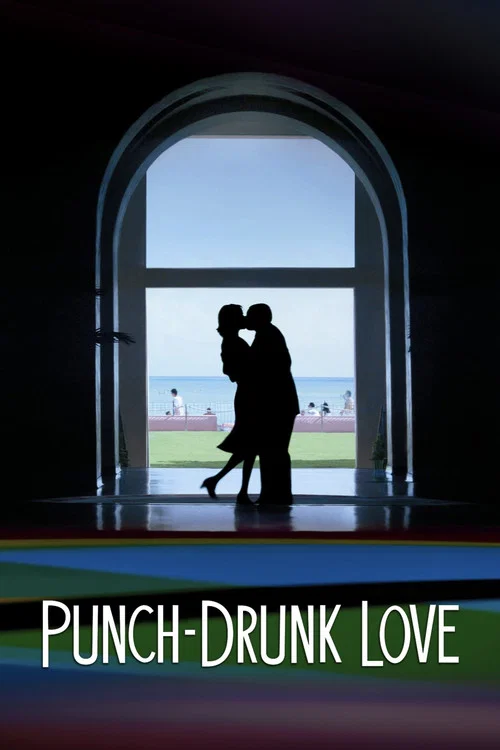
Punch-Drunk Love (2002) poster

At a glance

Punch-Drunk Love is a 2002 romance, comedy and drama film directed by Paul Thomas Anderson. This breakdown covers 4 techniques (1 editing, 1 narrative, 1 sound and 1 psychology), each with the scene where you can see it. If you like how it is made, Kill Bill: Volume 1 uses several of the same techniques.

Editing

Non-Diegetic Insert

Cutting to an image from outside the story's time and place, such as a memory, fantasy or symbol. It shows what a character feels or comments on the scene.

How this film uses it

Visual artist Jeremy Blake made trippy, fluid abstract images that appear as transitions. They are not part of Barry's world. They show the color and rush of what he feels, and they punctuate the story.

Where to see it

The abstract color interludes. Blake's shifting fields of color appear between scenes.
Narrative

Genre Collage

Mixing several genres in 1 film, such as crime, romance, horror and absurd comedy. The clash between them keeps you from settling into a single way of watching.

How this film uses it

The film mixes romantic comedy, a phone-sex extortion thriller and a trip to Hawaii. Four brothers show up to collect money while Barry is falling in love. The clash keeps the story off balance.

Where to see it

The brothers' collection. They ram his car on the way home, and Barry fights them off with a tire iron.

Sound

Score Composed on Set

Writing and playing the music while filming, so the score shapes how the actors move. The rhythm sits inside the scene like a nervous system.

How this film uses it

Jon Brion composed the score during filming, and Anderson used the tempo on set to guide Sandler's pace. A harmonium Barry picks up on the street also appears in the film. You hear Barry's nerves in the music.

Where to see it

The opening scene. Barry sees a strange car crash on the street and picks up an abandoned harmonium.

Psychology

Repressed Emotion

Showing a character who holds feelings down until they leak out or burst. The performance lives in what is withheld, and the release lands harder for the wait.

How this film uses it

Barry is polite and shy, then smashes things when his sisters get to him. The anger comes out of nowhere, and it shows how much he is holding in. You feel for him as much as you fear him.

Where to see it

The sister's party. Barry smashes the sliding glass doors after being teased.

Questions

Punch-Drunk Love: quick answers

What filmmaking techniques does Punch-Drunk Love use?
CineCode breaks down 4 techniques in Punch-Drunk Love (2002): Non-Diegetic Insert, Genre Collage, Score Composed on Set and Repressed Emotion.
Who directed Punch-Drunk Love?
Paul Thomas Anderson directed Punch-Drunk Love, released in 2002. CineCode also covers Boogie Nights (1997), Hard Eight (1997), Magnolia (1999), There Will Be Blood (2007), The Master (2012), Inherent Vice (2014).
What films are similar to Punch-Drunk Love?
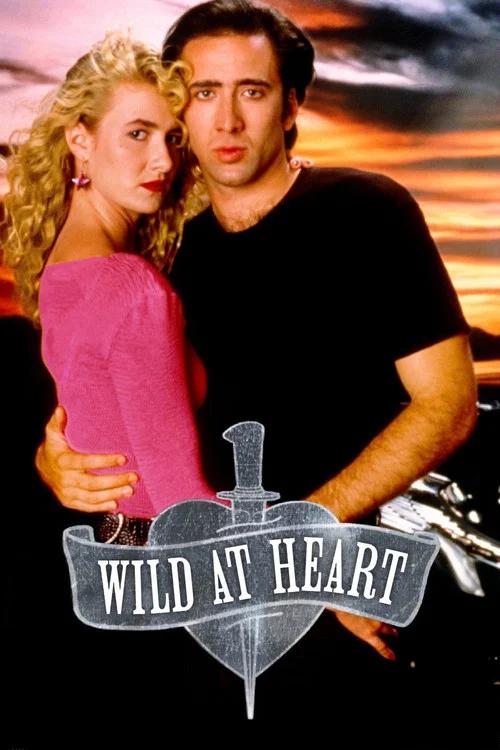
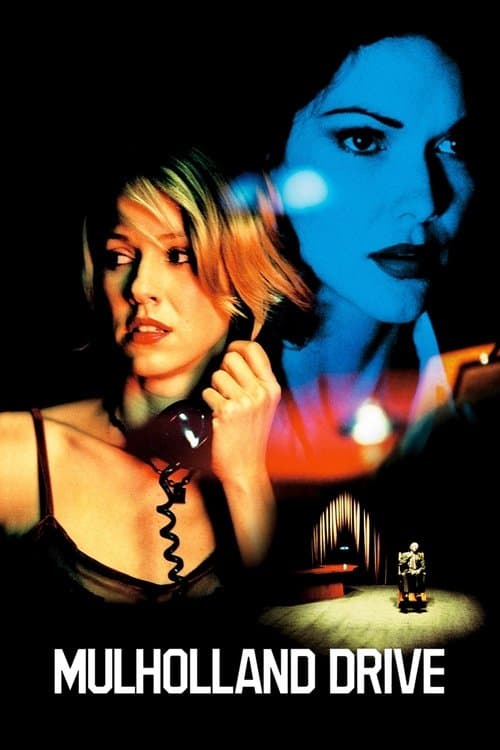
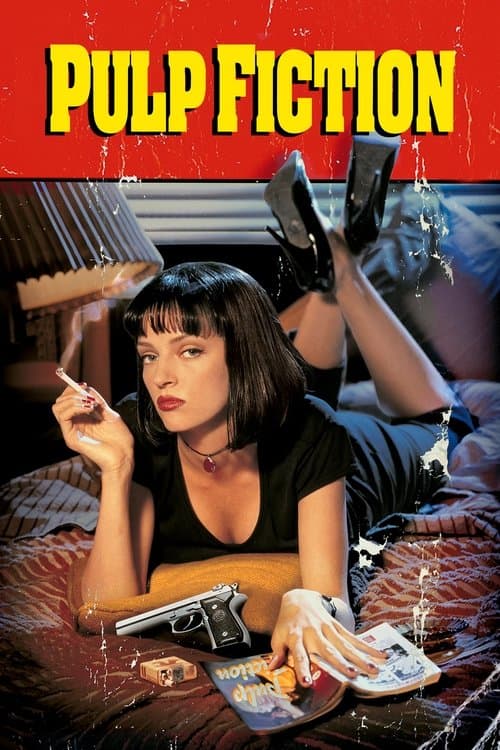
Films that share techniques with Punch-Drunk Love include Kill Bill: Volume 1 (2003), Wild at Heart (1990), Mulholland Drive (2001), Pulp Fiction (1994).