Mystery · Romance · Thriller

Spellbound

Alfred Hitchcock, 1945

Psychoanalyst Constance Petersen falls for the new head of a Vermont mental hospital, then realizes he is an impostor with amnesia who may have killed the real doctor. Watch how Hitchcock turns a therapy session into a detective story.

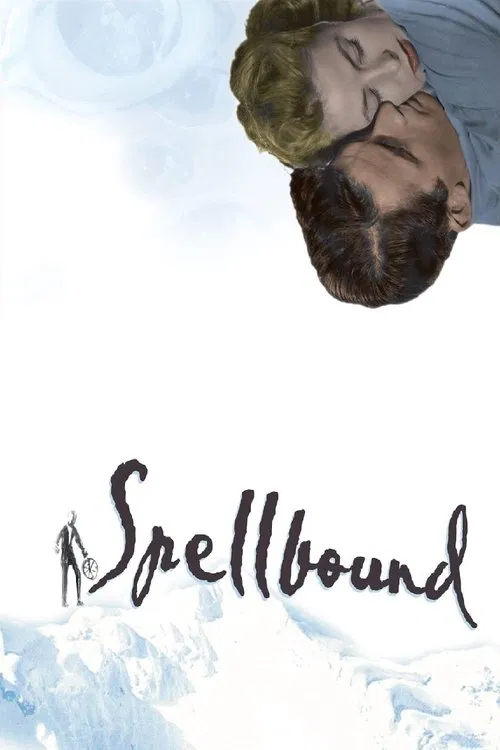
Spellbound (1945) poster

At a glance

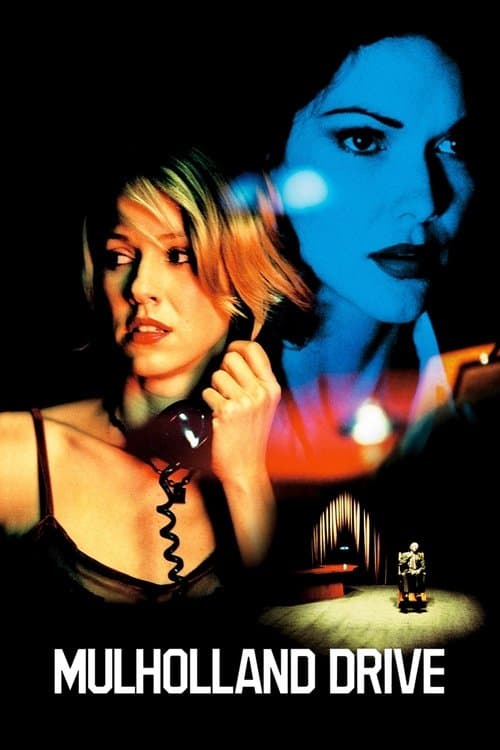
Spellbound is a 1945 mystery, romance and thriller film directed by Alfred Hitchcock. This breakdown covers 5 techniques (2 narrative, 1 psychology, 1 sound and 1 cinematography), each with the scene where you can see it. If you like how it is made, Mulholland Drive uses several of the same techniques.

Narrative

Dream Logic Structure

Arranging scenes the way a dream moves, where one image leads to the next by feeling or association. Events don't follow normal cause and effect.

How this film uses it

The hero's dream strings together a card club, a rooftop and a chase by wings. One image leads to the next by feeling, and it only makes sense once someone decodes it. Hitchcock hired Salvador Dali to help design it, though only about 2 minutes of the sequence stayed in the film.

Where to see it

The dream sequence. 'Brown' describes playing cards in a mysterious club, an older man falling from a rooftop and a pair of wings chasing him downhill.
Narrative

Forensic Inference Narration

Revealing character and motive through physical evidence and a detective's step-by-step reasoning, with no confessions or backstory dumps. You piece together the truth alongside the investigator.

How this film uses it

Constance reads the dream like a crime scene and solves it step by step. The lines map to ski tracks, the wings to a ski lodge and the wheel to a revolver. You work through the clues alongside her instead of being handed the truth.

Where to see it

The dream analysis. Constance and her mentor interpret the dream together and conclude the older man in it is the real Dr. Edwardes, who died in a skiing accident.

Psychology

Trauma Trigger Imagery

Repeating a specific image, color or pattern that sets off a character's buried trauma. You feel their panic before you learn what it comes from.

How this film uses it

Parallel dark lines against a white background make the hero panic. The film keeps showing them, so you feel the reaction before you know the cause. It turns out to come from a childhood accident, and the lines also stand for ski tracks in snow.

Where to see it

The first kiss. While kissing him, Constance notices he has a strange phobia of parallel lines against a white background. The lines come up again on several occasions.

Sound

Unusual Instrument Scoring

Choosing an odd or unexpected instrument for the score. The unfamiliar tone makes the world feel fresh, strange or psychologically unsettled.

How this film uses it

Miklos Rozsa's score uses the theremin, an electronic instrument played without touching it. Its wavering, ghostly sound suggests a disturbed mind. It tells you something is wrong before any character says it.

Where to see it

The hero's episodes. Whenever his mind turns to the lines and the memories behind them, the score's wavering theremin gives the scene its eerie sound.

Cinematography

Isolated Color Insert

Adding 1 colored element to an otherwise black-and-white image, or a brief color sequence to a black-and-white film. The contrast pulls your eye and gives that color a lot of meaning.

How this film uses it

The film is in black and white except for 2 frames of bright red at the end. After 111 minutes without color, the flash shocks you. It also puts you in the line of fire.

Where to see it

The final confrontation. Dr. Murchison turns the gun and shoots himself, and the frame flashes red.

Questions

Spellbound: quick answers

What filmmaking techniques does Spellbound use?
CineCode breaks down 5 techniques in Spellbound (1945): Dream Logic Structure, Forensic Inference Narration, Trauma Trigger Imagery, Unusual Instrument Scoring and Isolated Color Insert.
Who directed Spellbound?
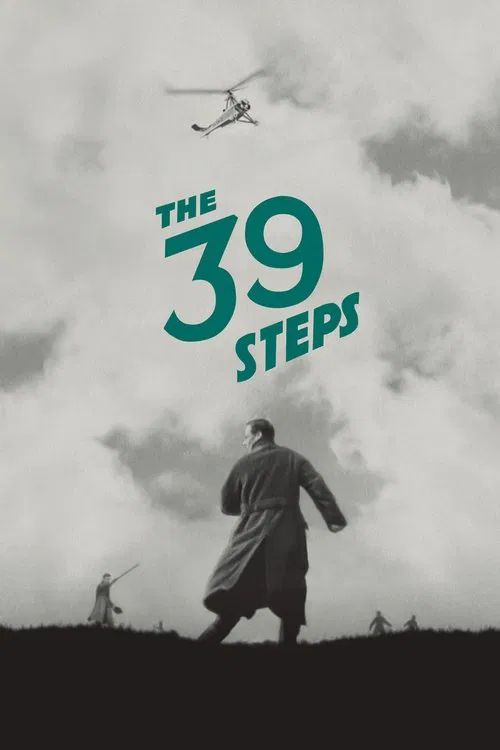
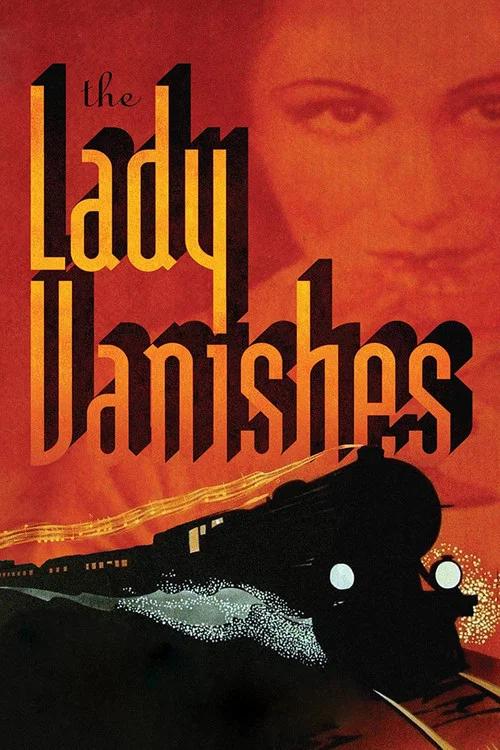
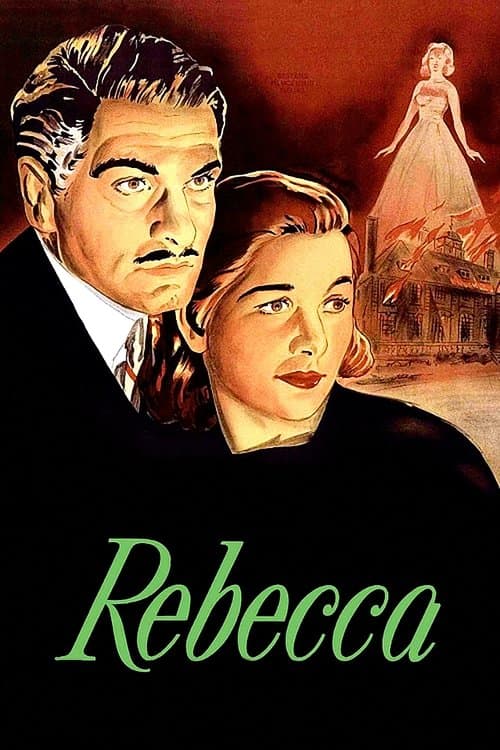
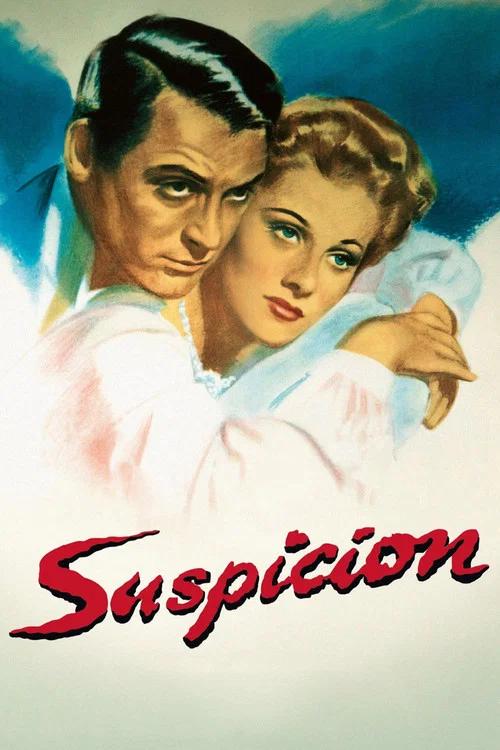
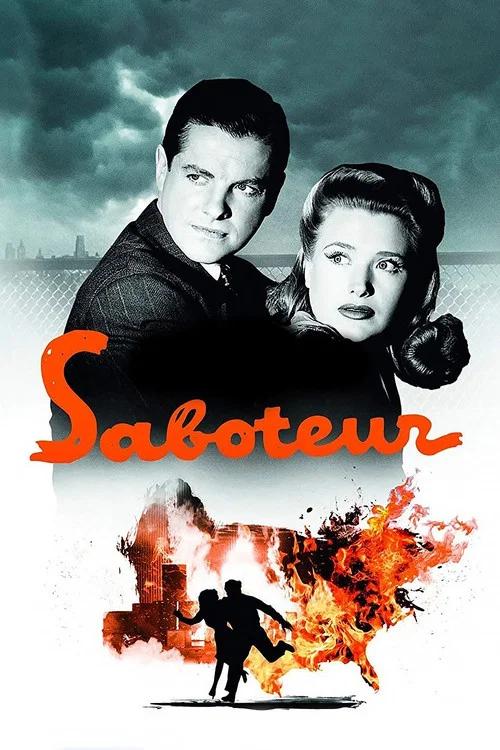
Alfred Hitchcock directed Spellbound, released in 1945. CineCode also covers The 39 Steps (1935), The Lady Vanishes (1938), Rebecca (1940), Suspicion (1941), Saboteur (1942), Shadow of a Doubt (1943).
What films are similar to Spellbound?
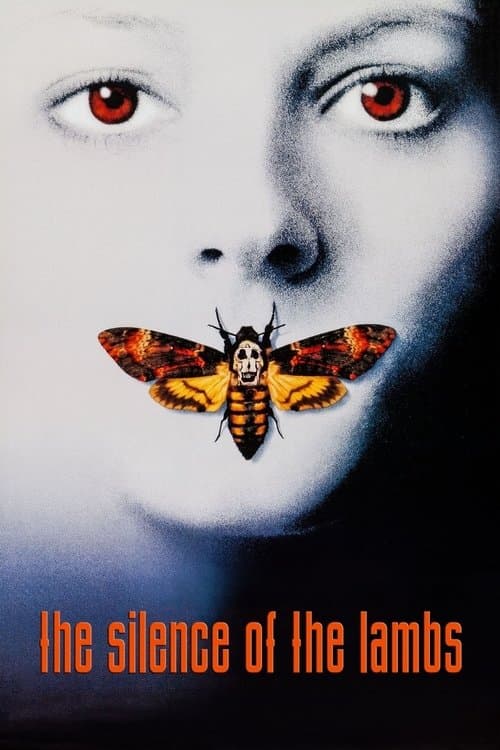
Films that share techniques with Spellbound include Mulholland Drive (2001), Schindler's List (1993), Interstellar (2014), The Silence of the Lambs (1991).