Film Noir · Thriller · Crime

The Stranger

Orson Welles, 1946

A War Crimes Commission agent follows a trail to a quiet Connecticut town, where a respected teacher is really a hidden Nazi war criminal. His new wife starts to suspect him. Worth watching for how Welles makes a peaceful postcard town feel dangerous.

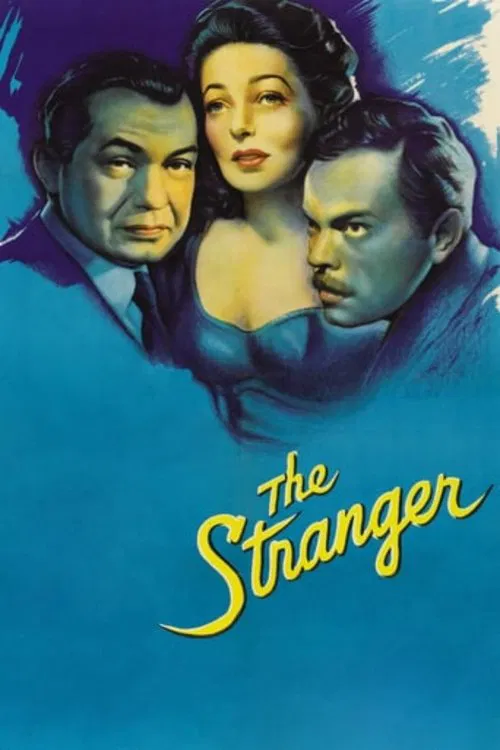
The Stranger (1946) poster

At a glance

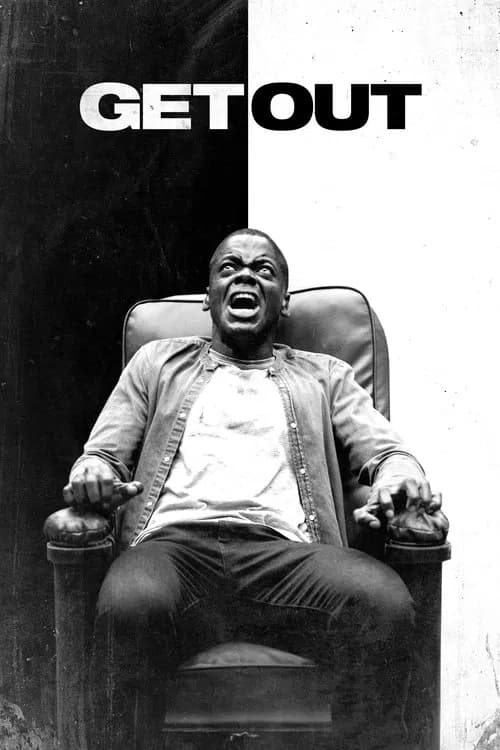
The Stranger is a 1946 film noir, thriller and crime film directed by Orson Welles. This breakdown covers 5 techniques (2 narrative, 1 editing and 2 cinematography), each with the scene where you can see it. If you like how it is made, Get Out uses several of the same techniques.

Narrative

Dramatic Irony

Letting the audience know something a character doesn't. You watch them act without that knowledge, which creates suspense, dread or dark comedy.

How this film uses it

You learn early that the teacher Charles Rankin is the fugitive Franz Kindler, but the townspeople and his bride do not. Every friendly dinner and church visit gets tense.

Where to see it

Rankin kills a former associate and poisons the family dog: you see the cruelty, while the town keeps trusting him.
Editing

Documentary Footage Integration

Cutting real documentary or archive footage into a fictional story, such as authentic records of wartime atrocities. It grounds the fiction in history and blurs the line between cinema and the record.

How this film uses it

Agent Wilson shows Mary real footage of Nazi concentration camps. It was one of the first mainstream films to use that footage, and it breaks the movie's thriller tone on purpose.

Where to see it

Wilson's screening for Mary: the real camp footage makes her face who she married and sets up her confrontation with him.

Cinematography

Small Town as Moral Geography

Treating a small town as more than a setting. Its buildings, lighting and relationships show the community's values and limits, which shape what the characters can do and what gets destroyed.

How this film uses it

The town of Harper looks calm and tidy, with a drugstore, a church and a clock tower. That neatness is the cover a fugitive needs, and it makes the evil inside harder to spot.

Where to see it

Daily life in Harper: the shop, the school and the church show a community that welcomes Rankin without asking questions.

Narrative

Chekhov's Gun

Showing an object or detail early on that becomes important later. The idea is that nothing gets screen time unless the story is going to use it.

How this film uses it

The town clock is a project Rankin takes on and repairs. Its bell becomes a plot tool for the ending.

Where to see it

The clock tower finale: the repaired clock bell draws the townspeople outside as Mary and Kindler meet in the belfry.

Cinematography

Landmark Climax Location

Staging the climax at a famous real place, so the danger plays out against something you already recognize. The location gives the scene scale and stakes.

How this film uses it

Welles saves his ending for the clock tower the whole town can see. Kindler dies there, in view of the place that sheltered him.

Where to see it

The belfry: Mary takes a gun from Kindler and shoots him, and he falls from the clock face onto a mechanical figure's blade.

Questions

The Stranger: quick answers

What filmmaking techniques does The Stranger use?
CineCode breaks down 5 techniques in The Stranger (1946): Dramatic Irony, Documentary Footage Integration, Small Town as Moral Geography, Chekhov's Gun and Landmark Climax Location.
Who directed The Stranger?
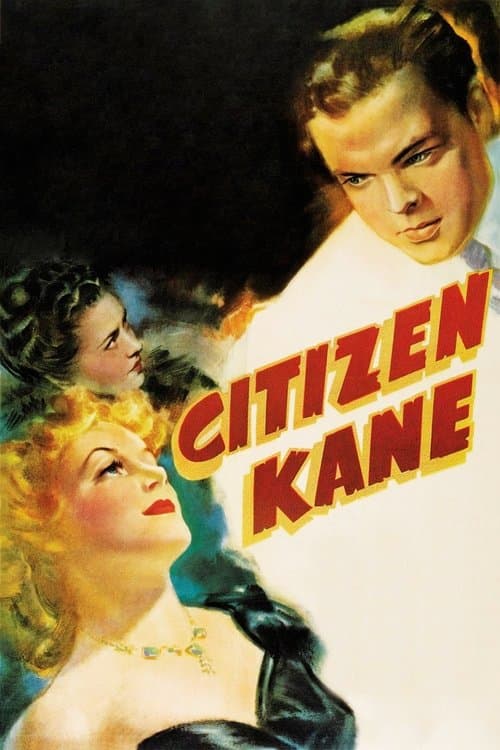
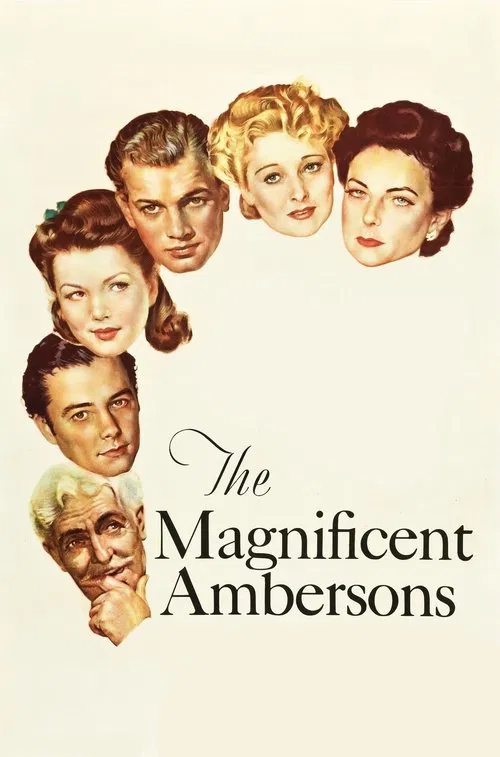
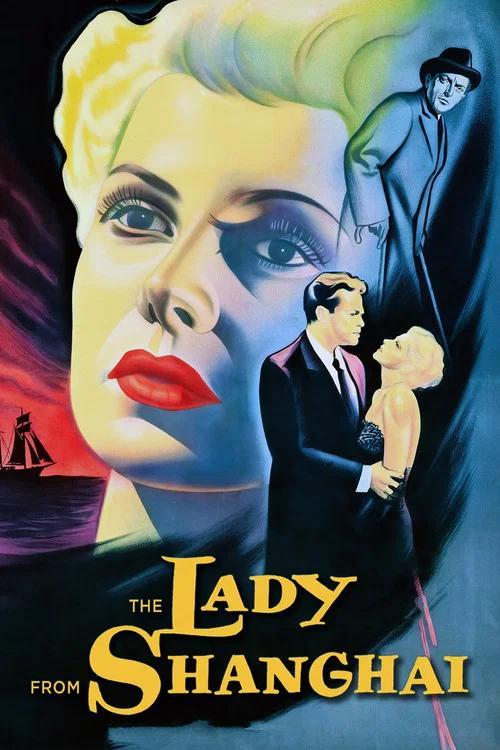
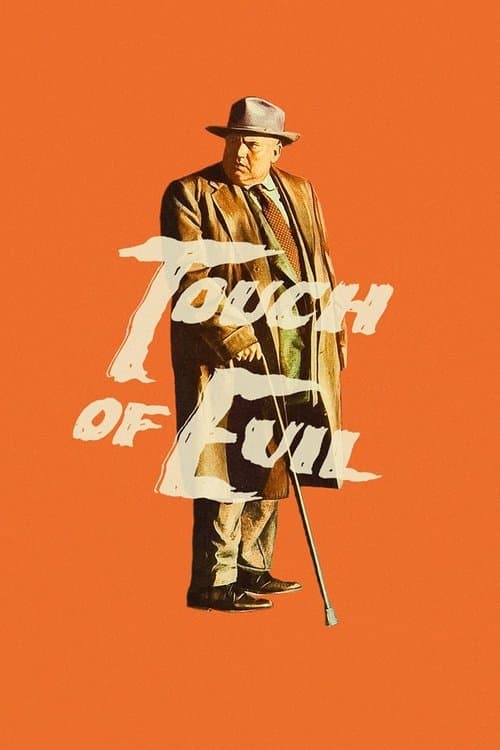
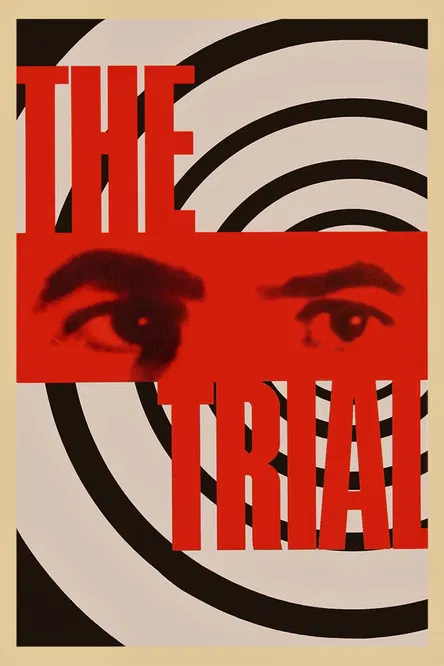
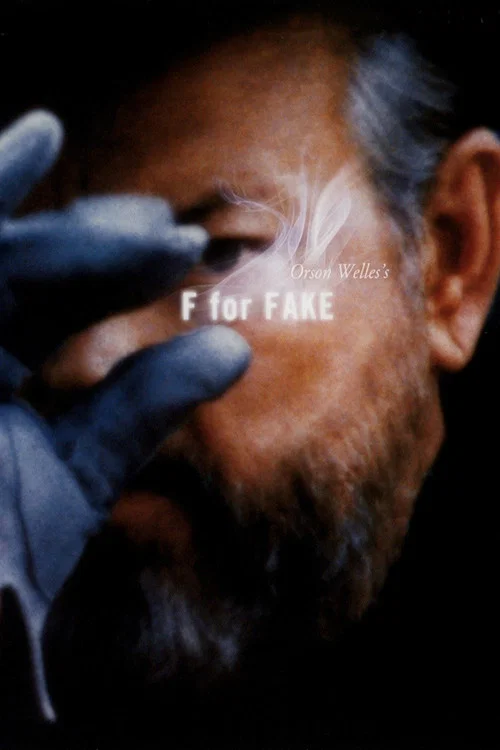
Orson Welles directed The Stranger, released in 1946. CineCode also covers Citizen Kane (1941), The Magnificent Ambersons (1942), The Lady from Shanghai (1947), Touch of Evil (1958), The Trial (1962), F for Fake (1973).
What films are similar to The Stranger?
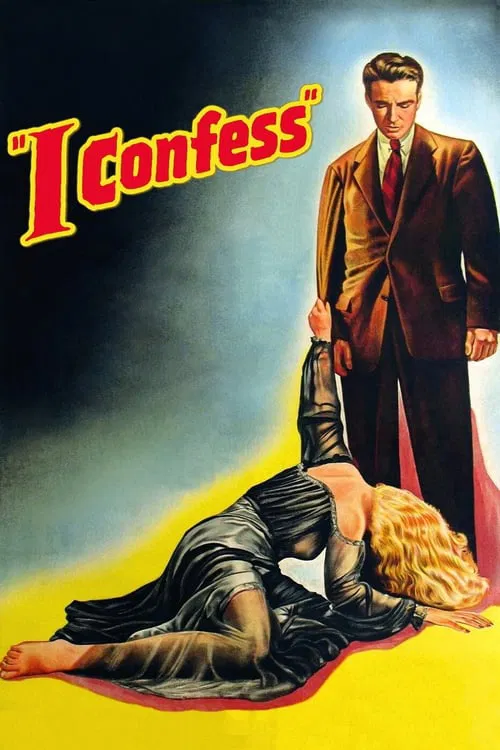
Films that share techniques with The Stranger include Get Out (2017), Shadow of a Doubt (1943), I Confess (1953), The Counselor (2013).