Drama · Romance

Great Expectations

David Lean, 1946

Pip, an orphan raised by his sister, is made a gentleman by a secret benefactor and learns that wealth and love are not what he imagined. Lean's film shows how a bleak graveyard and a rotting mansion can carry as much feeling as any actor.

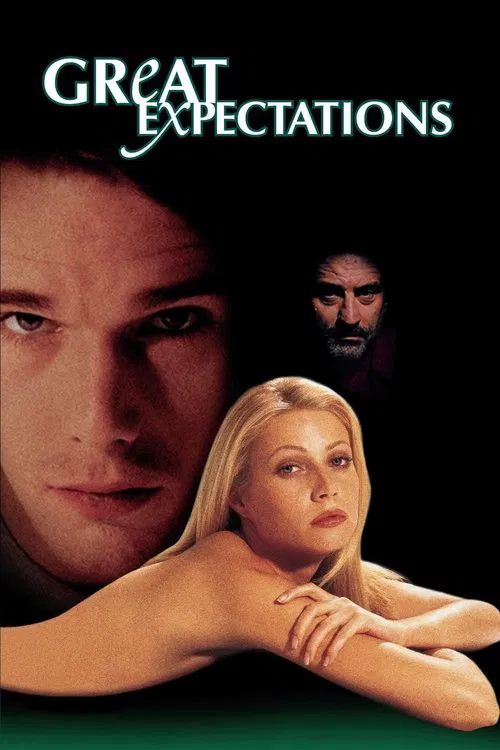
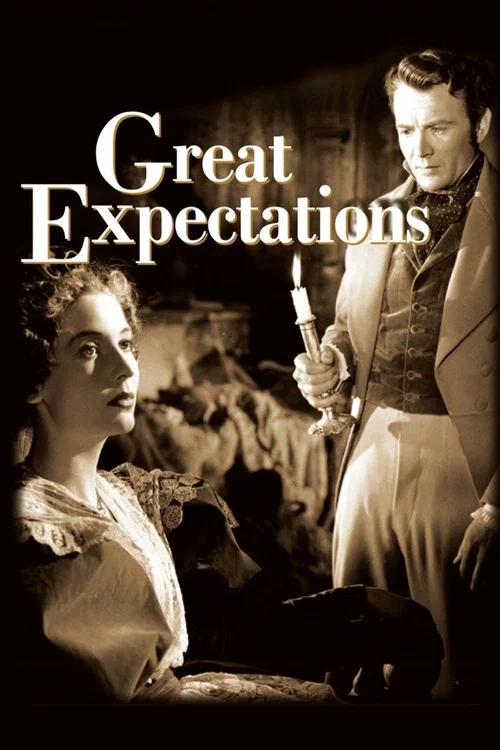
Great Expectations (1946) poster

At a glance

Great Expectations is a 1946 drama and romance film directed by David Lean. This breakdown covers 5 techniques (2 cinematography, 2 narrative and 1 psychology), each with the scene where you can see it. If you like how it is made, The Shawshank Redemption uses several of the same techniques.

Cinematography

Gothic Mansion Symbolism

Setting the story in a large, decaying or out-of-date house that mirrors its owner's mind. The building shows the feelings and history that keep the people inside trapped.

How this film uses it

Satis House is decayed and cobwebbed, a mansion where Miss Havisham has stopped time. The house mirrors her mind and traps Estella and Pip inside it. It was recreated at Denham Film Studios.

Where to see it

Pip at Satis House. Miss Havisham has Pip keep Estella company in her decaying mansion.
Cinematography

Chiaroscuro Lighting

Lighting a scene with strong contrast between bright light and deep shadow, a style borrowed from old paintings called chiaroscuro. How lit a character is hints at their moral or mental state.

How this film uses it

The graveyard scene has heavy shadows, a bare tree and a hard-edged horizon. The darkness makes everything menacing, and Magwitch rises out of it. Robert Krasker shot the opening, and the look sets the film's mood.

Where to see it

The graveyard opening. The escaped convict Magwitch grabs the boy Pip.

Narrative

Retrospective Voiceover

Having a narrator tell the story from some point after it happened. The events feel like memory, and you sense early on that something will be lost.

How this film uses it

The grown Pip tells the story, looking back on how he was fooled. The narration lets the film move quickly across years. It also colors each scene with regret.

Where to see it

The opening narration. Pip recalls his childhood as the story moves to the graveyard.

Psychology

Child's Forced Moral Burden

Placing a child in the middle of adult moral failures and making them face a choice they can't fully understand. You understand what the child doesn't, which is where the horror comes from.

How this film uses it

Magwitch threatens young Pip into bringing him tools and food, so a child is dragged into a crime he cannot understand. The guilt follows him for years. You see how a small act of fear shapes his life.

Where to see it

The graveyard. Magwitch forces Pip to bring him tools to remove his chains and food.

Narrative

Symbolic Object

Returning to the same physical object again and again until it means more than what it is. It moves the plot and also stands for the film's main ideas.

How this film uses it

Miss Havisham's wedding dress and decayed cake sit in the house as proof that her life stopped on the day she was jilted. They return as the dress catches fire. The objects hold the story's themes of waste and revenge.

Where to see it

The fire. Miss Havisham's dress catches fire, and Pip tries and fails to save her.

Questions

Great Expectations: quick answers

What filmmaking techniques does Great Expectations use?
CineCode breaks down 5 techniques in Great Expectations (1946): Gothic Mansion Symbolism, Chiaroscuro Lighting, Retrospective Voiceover, Child's Forced Moral Burden and Symbolic Object.
Who directed Great Expectations?
David Lean directed Great Expectations, released in 1946. CineCode also covers Brief Encounter (1945), The Bridge on the River Kwai (1957), Lawrence of Arabia (1962), Doctor Zhivago (1965), A Passage to India (1984).
What films are similar to Great Expectations?
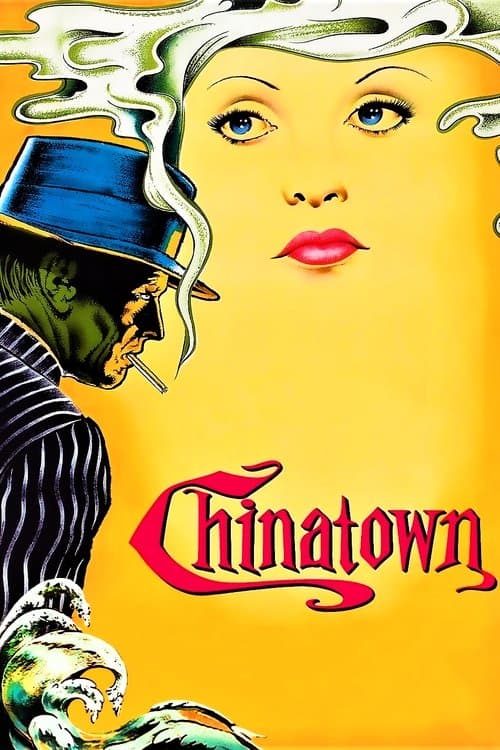
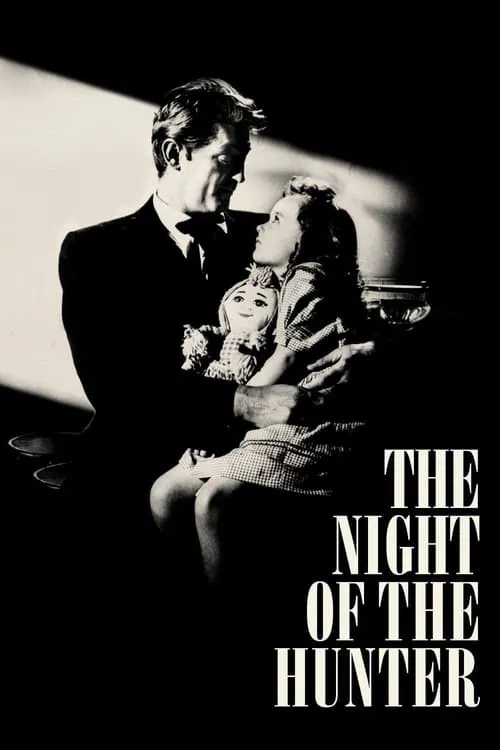
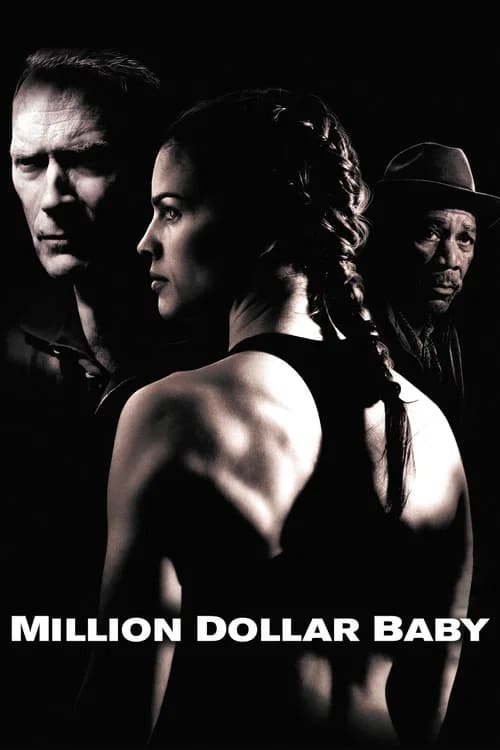
Films that share techniques with Great Expectations include The Shawshank Redemption (1994), Chinatown (1974), Night of the Hunter (1955), Million Dollar Baby (2004).