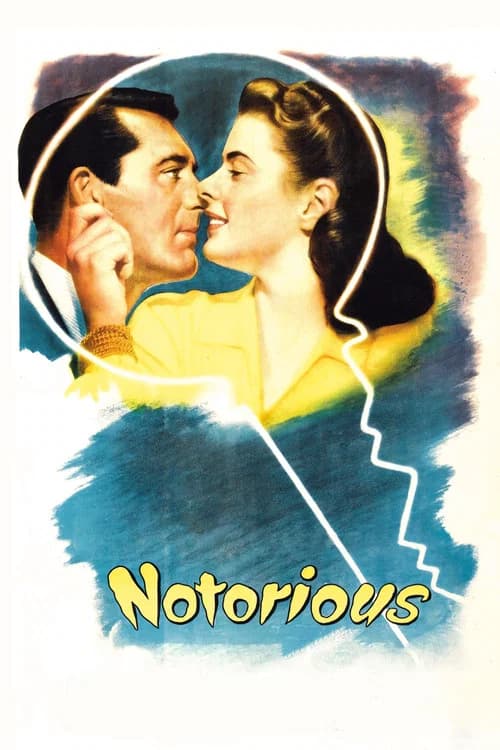
An American agent recruits a woman, the daughter of a convicted Nazi spy, to infiltrate a ring of German expatriates in postwar Brazil. To do it, she has to marry one of them. This is Hitchcock's most emotionally complex film. It uses the spy thriller to look at how institutions exploit the people who love them.
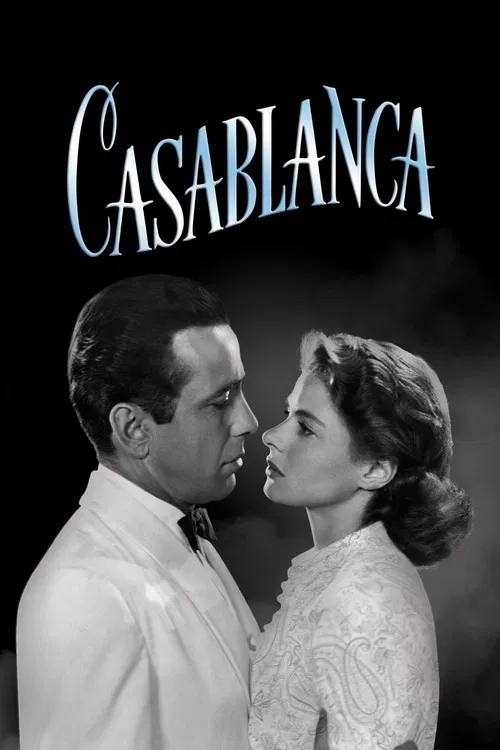
Notorious is a 1946 film noir, romance and thriller film directed by Alfred Hitchcock. This breakdown covers 4 techniques (2 narrative and 2 cinematography), each with the scene where you can see it. If you like how it is made, Casablanca uses several of the same techniques.
Showing the audience a danger the characters can't see, like a bomb under a table. An ordinary conversation becomes unbearable suspense, where an unannounced blast would only be a surprise.
How this film uses it
You know Alicia is working for American intelligence, and Sebastian doesn't. That gap puts tension into every intimate scene between them (the courtship, the marriage, the domestic life). This is dramatic irony, where the audience knows more than a character does. When Sebastian finally learns the truth, the irony shifts. Now both you and Sebastian know, but Devlin doesn't know how much danger Alicia is in.
Where to see it
Sebastian's discovery of Alicia's true role. The dramatic irony flips. What you knew was your advantage, and now it is what puts Alicia in danger.
Placing the camera like a hidden watcher, looking through peepholes, around corners and from concealed spots. You become part of the spying, which makes watching feel morally uneasy.
How this film uses it
The film is built around watching. Devlin watches Alicia, Sebastian watches Devlin and the intelligence service watches all of them. Hitchcock makes you part of every layer of that surveillance. In the famous long crane shot, the camera travels down to the wine cellar key in Alicia's hand. That makes you a spy too, complicit in a watching that is also the film's romance.
Where to see it
The crane shot to the wine cellar key. The camera moves from the top of the staircase to Alicia's closed hand in a single long movement, and you watch from the spy's position.
Building a love story around 3 people, where each pair has its own relationship and the third person always gets in the way. Your sympathy shifts because each of them has a fair claim.
How this film uses it
Devlin loves Alicia, but his jealousy and his loyalty to the agency lead him to put her in danger. Sebastian loves Alicia and slowly poisons her when he discovers her betrayal. Alicia loves Devlin and has married Sebastian as a professional assignment. The triangle also says something about institutions. The state uses Alicia too, and that is one more form of the exploitation both men carry out.
Where to see it
The poison sequence. Sebastian and his mother poison Alicia slowly, and Devlin only learns what is happening when he sneaks into her room. Here, the triangle is at its hardest to judge ethically.
Lighting a scene with strong contrast between bright light and deep shadow, a style borrowed from old paintings called chiaroscuro. How lit a character is hints at their moral or mental state.
How this film uses it
Chiaroscuro means strong contrast between light and shadow, and Ted Tetzlaff's photography uses it to show you right and wrong. The party sequences are lit in warm, social light while danger builds up in the shadows. The cellar scene moves from natural light into the darkness where the uranium is hidden. The lighting follows the film's moral descent, so the shadows get deeper as Alicia's situation gets more dangerous.
Where to see it
The wine cellar sequence. The bottles sit in warm lamplight, with the uranium sand behind them in darkness. Where the light is placed shows you the moral stakes.
Questions
Notorious: quick answers
What filmmaking techniques does Notorious use?
CineCode breaks down 4 techniques in Notorious (1946): The Bomb Under the Table, Voyeuristic Implication, Romantic Triangle Geometry and Chiaroscuro Lighting.
Who directed Notorious?
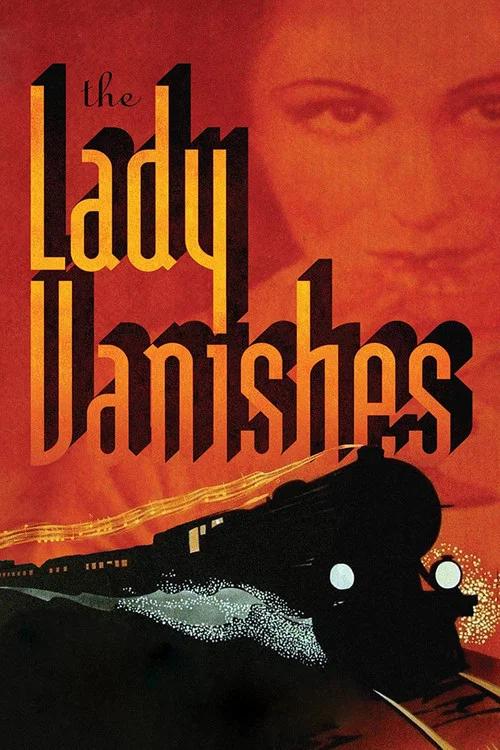
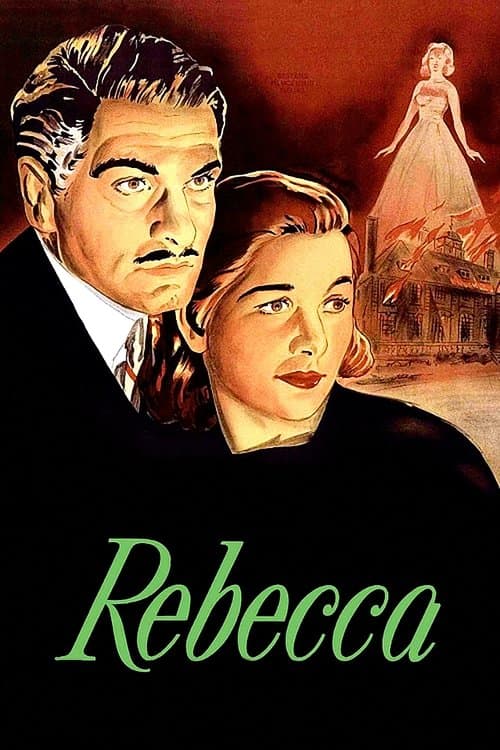
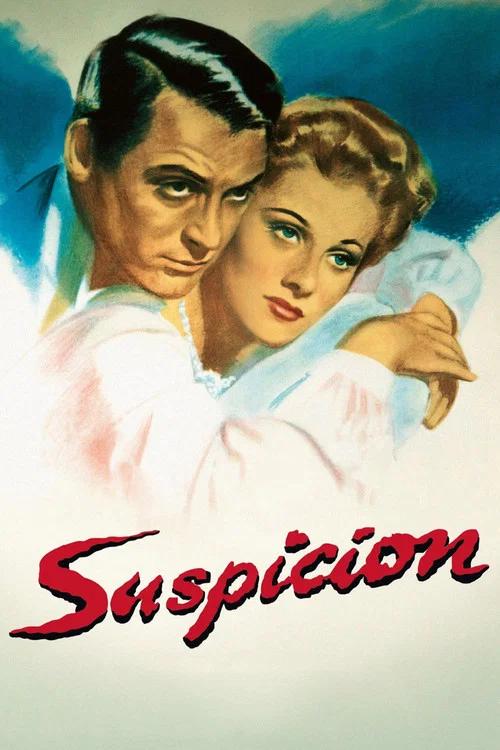
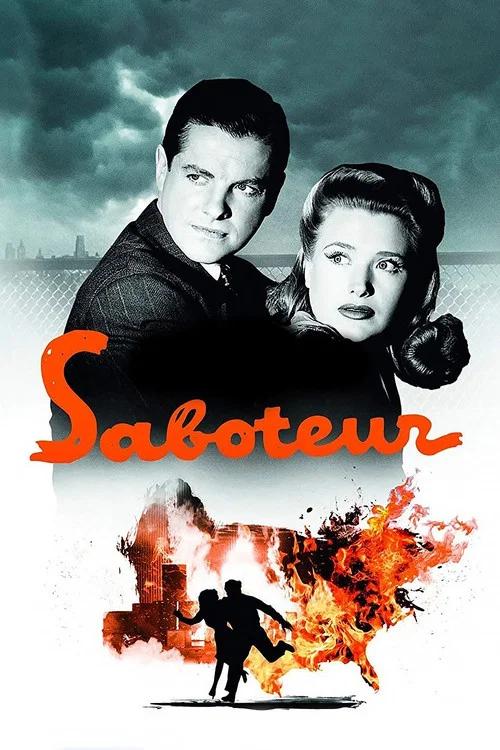
Alfred Hitchcock directed Notorious, released in 1946. CineCode also covers The 39 Steps (1935), The Lady Vanishes (1938), Rebecca (1940), Suspicion (1941), Saboteur (1942), Shadow of a Doubt (1943).
What films are similar to Notorious?
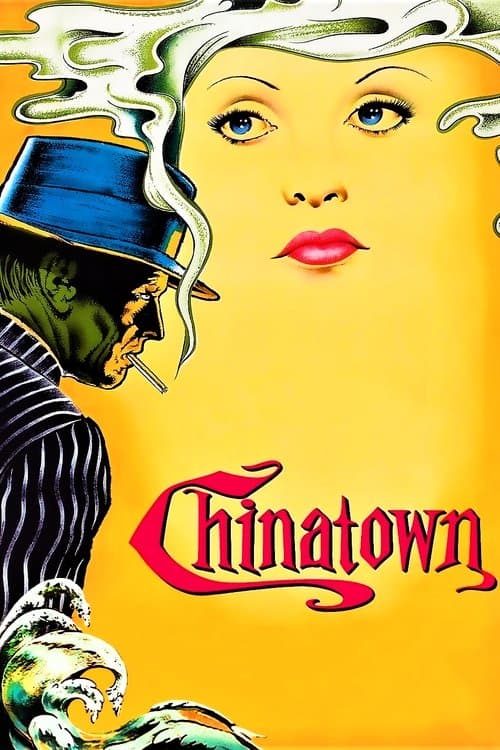
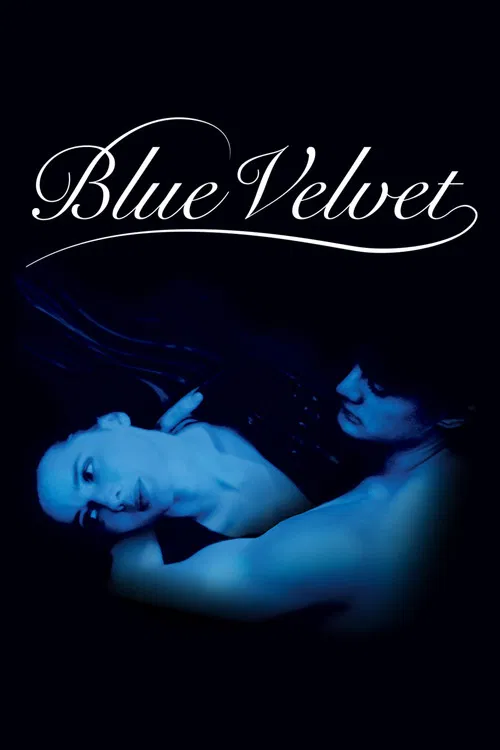
Films that share techniques with Notorious include Casablanca (1942), Chinatown (1974), Blue Velvet (1986), Strangers on a Train (1951).