Cinematography technique · used in 8 films

Amber Color Grading

Tinting the image in warm amber, gold or orange. Depending on the film, the glow can feel nostalgic and old-world or sickly, as if home comforts are under threat.

Examples

8 films that use it

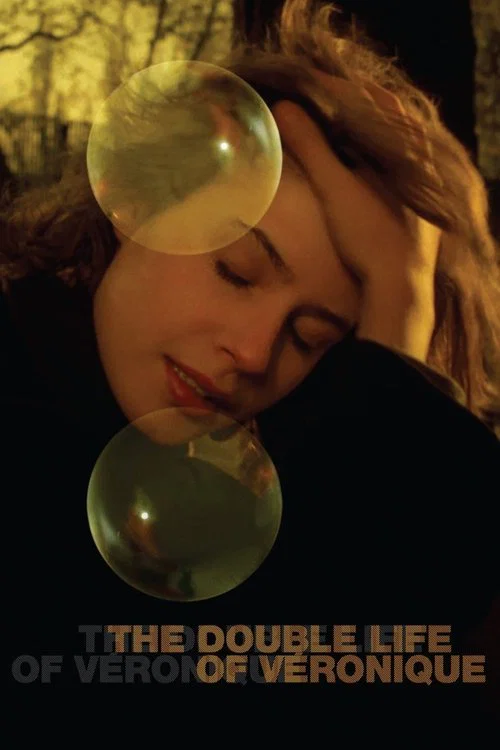
  1. The Double Life of Véronique (1991) poster

    The Double Life of Véronique

    Krzysztof Kieślowski · 1991

    The picture has a golden-yellow tint that makes both women's worlds feel warm and slightly unreal. It looks like a memory, or like seeing the world through old glass. That gentle haze fits a story about feelings you cannot explain.

    Where to see it: Weronika's walk through Kraków's Main Square: she moves through a golden-toned street and notices a French tourist who looks exactly like her. The tourist photographs the square and boards a bus.

  2. Gladiator (2000) poster

    Gladiator

    Ridley Scott · 2000

    John Mathieson's cinematography gives the whole film a warm amber tint. It is strongest in the Spanish farm scenes, which stand for the paradise Maximus has lost. The color wraps Rome's brutality in a nostalgic glow, so the empire feels beautiful and dangerous at the same time.

    Where to see it: The wheat field vision sequences. The warm amber light makes the afterlife look like a memory.

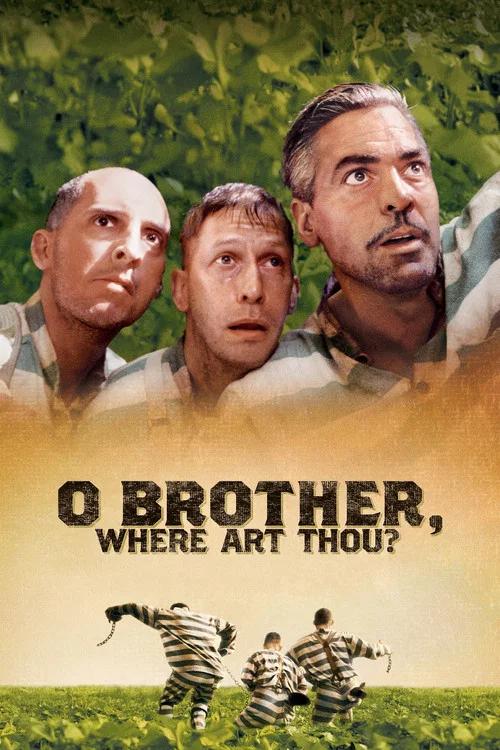
  3. O Brother, Where Art Thou? (2000) poster

    O Brother, Where Art Thou?

    Joel Coen, Ethan Coen · 2000

    The Coens used digital color correction to give the whole film an autumnal, sepia look. The golden dust of the fields makes the Depression-era South look old and sunbaked. It feels like a faded photograph of a story you half remember.

    Where to see it: The escape. Pete, Delmar and Everett break away from a Mississippi chain gang.

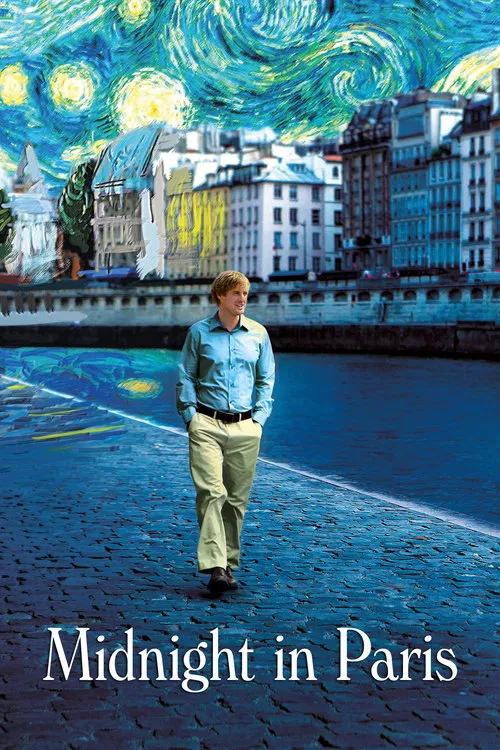
  4. Midnight in Paris (2011) poster

    Midnight in Paris

    Woody Allen · 2011

    Allen said he wanted the camera work warm, "intensely red, intensely warm," so that people look flattering, like diners in a restaurant with old lights. Darius Khondji shot it. The golden glow suits a story about falling in love with the past.

    Where to see it: The nights in 1920s Paris. Gil spends his nights with writers and painters in 1920s Paris.

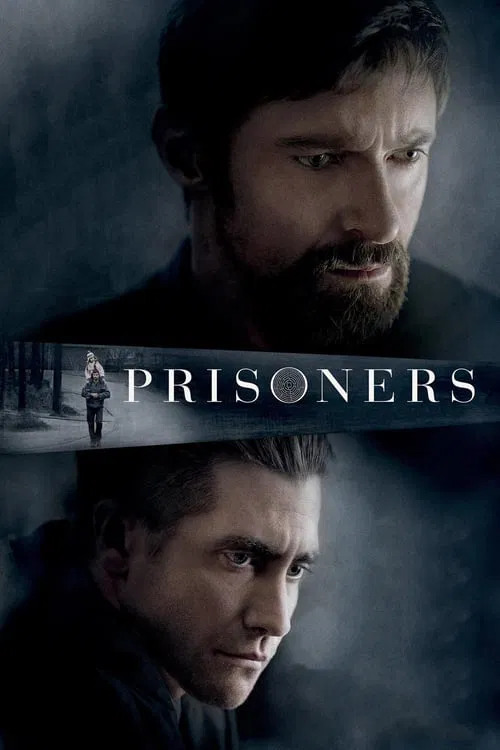
  5. Prisoners (2013) poster

    Prisoners

    Denis Villeneuve · 2013

    Roger Deakins grades the film's color so that Pennsylvania's November light becomes dim amber streetlamps and cold blue-grey daylight. The characters are stuck in a palette with no warmth. The amber interiors (kitchens, basements, detective offices) suggest homes that can't protect what's inside them.

    Where to see it: The Thanksgiving dinner sequence and the police investigation that follows. The amber color makes every home feel like a crime scene waiting to happen.

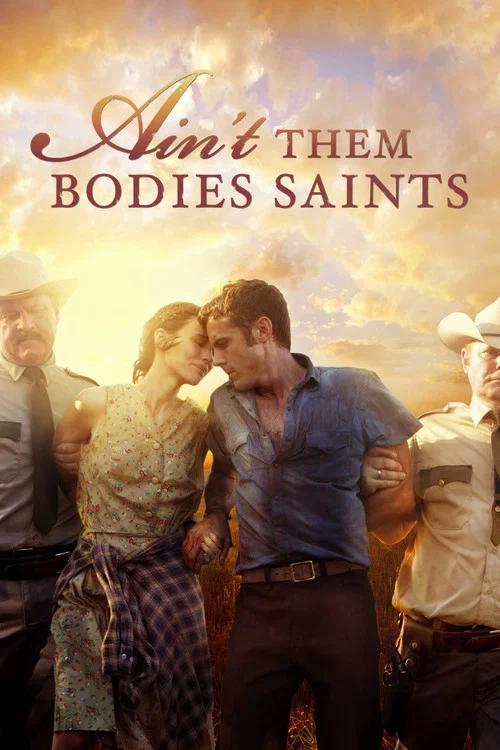
  6. Ain't Them Bodies Saints (2013) poster

    Ain't Them Bodies Saints

    David Lowery · 2013

    Cinematographer Bradford Young shot the film on 35 mm with filters that soften the contrast. Critics described the look as dreamy, magic-hour atmosphere. It turns the Texas fields and porches into a warm, faded memory, so the love story feels like it is already slipping away.

    Where to see it: Meridian, Texas: Ruth and her daughter Sylvie live a quiet life in a small town, and Patrick, the officer Ruth once shot, keeps noticing them around town.

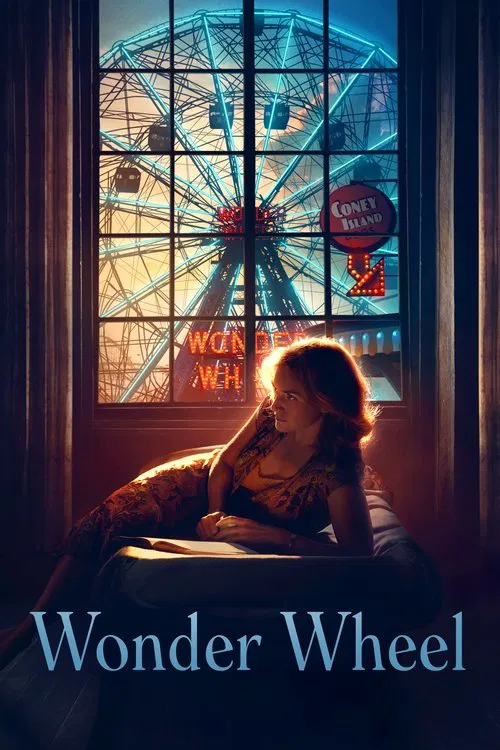
  7. Wonder Wheel (2017) poster

    Wonder Wheel

    Woody Allen · 2017

    Critics praised cinematographer Vittorio Storaro's warm, golden look for the amusement park. The glow makes the boardwalk feel inviting, which sits oddly against how stuck the characters are. On one reading, the beauty is the lure that keeps Ginny in place.

    Where to see it: Boardwalk and park scenes: the sun, the rides and the apartment windows all carry the same gold and orange light.

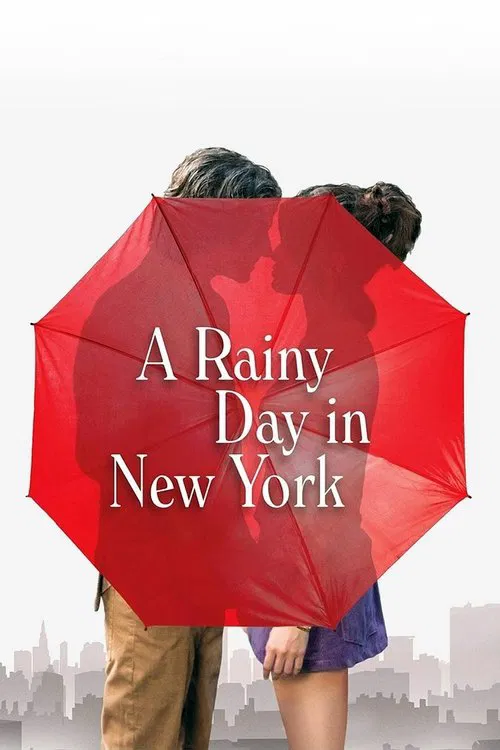
  8. A Rainy Day in New York (2019) poster

    A Rainy Day in New York

    Woody Allen · 2019

    Reviewers describe Vittorio Storaro filling the frame with golden light and silver rain. The warm glow makes the city feel like a romantic daydream, even as the couple drifts apart. For some critics it is the best part of the film.

    Where to see it: Interior and street scenes: the rooms glow amber while the rain streaks the windows and the sidewalks.

Questions

Quick answers

What is amber color grading in film?
Tinting the image in warm amber, gold or orange. Depending on the film, the glow can feel nostalgic and old-world or sickly, as if home comforts are under threat.
Which films use amber color grading?
The Double Life of Véronique (1991), Gladiator (2000), O Brother, Where Art Thou? (2000), Midnight in Paris (2011), Prisoners (2013), Ain't Them Bodies Saints (2013) and 2 more films in the CineCode library.
What kind of technique is amber color grading?
It is a cinematography technique. Related cinematography techniques include Handheld Kinetic Cinematography, Lyrical Yearning Image.