Adventure · Drama · Thriller

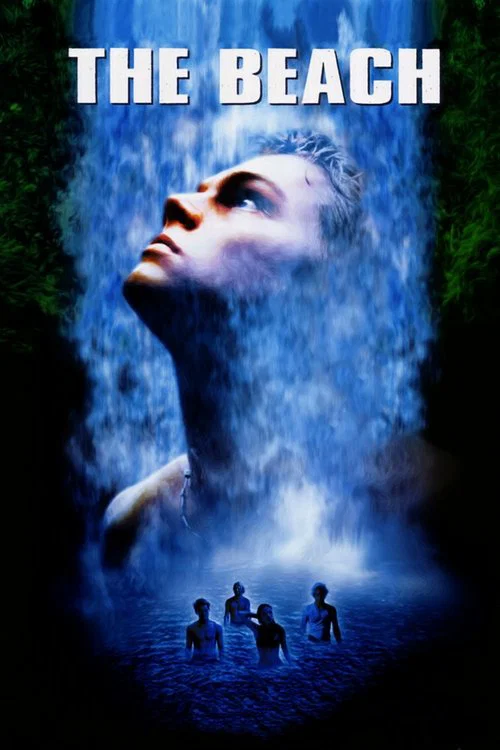
The Beach

Danny Boyle, 2000

A young American backpacker follows a dead man's map to a hidden island beach where a community of travelers lives in secret. At first it looks like paradise, but rules, lies and fear soon spoil it. Danny Boyle films it as a daydream that slowly goes sour.

The Beach (2000) poster

At a glance

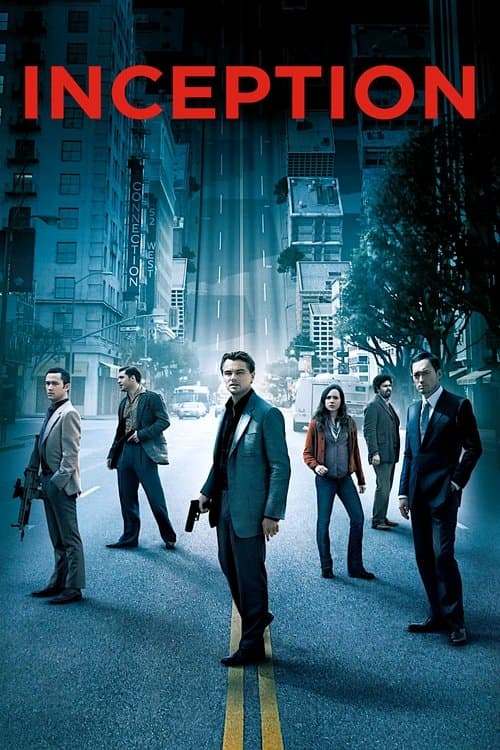
The Beach is a 2000 adventure, drama and thriller film directed by Danny Boyle. This breakdown covers 5 techniques (3 narrative, 1 psychology and 1 cinematography), each with the scene where you can see it. If you like how it is made, Inception uses several of the same techniques.

Narrative

Idealized Place as Trap

Presenting a paradise or a golden past as seductive, then revealing it as a trap that corrodes the characters who chase it.

How this film uses it

The island is gorgeous, but the community survives on one rule: nobody may bring in outsiders or leave with the secret. When a shark attack tests that rule, the leader chooses the secret over a man's life.

Where to see it

Christo's injury: After the shark attack, Sal will not allow any doctors on the island, and the islanders leave Christo in the jungle to die.
Psychology

Unreliable Reality

Keeping it unclear what is real and what is imagined in the film's world. You end up as unsure as the main character.

How this film uses it

Richard slips out of the real world once he is isolated. He imagines he is in a video game and talks with the dead Daffy. You can no longer tell what is real, and neither can he.

Where to see it

Jungle booby traps: After Françoise leaves him, an isolated Richard imagines he is inside a video game and talks with the dead Daffy while he sets traps in the jungle.

Narrative

Character Arc Inversion

Taking a character to the opposite of where they started, such as from weak to strong or from decent to compromised. That reversal is what the film is about.

How this film uses it

Richard arrives as a curious backpacker looking for something real. He ends as someone who lies to people he loves and smothers a dying man. The island turns his adventure into harm.

Where to see it

Christo's end: After seeing the surfers killed, Richard smothers Christo to put him out of his misery.

Cinematography

Landscape as Sacred Geography

Photographing real landscapes like mountains, plains and rivers so they feel mythic and full of meaning. The land becomes a spiritual and moral test the characters have to cross.

How this film uses it

The film was shot on the Thai island of Ko Phi Phi Le, and the cliffs, waterfall and hidden beach feel like a place the characters must earn. The land becomes a test they cross to reach the community.

Where to see it

Waterfall jump: Richard, Françoise and Étienne cross the island, avoid armed farmers, jump off a large waterfall and meet Keaty, who takes them to the community.

Narrative

The MacGuffin

Giving the characters an object, secret or goal that everyone chases. What it actually is barely matters, because its job is to set the characters against each other.

How this film uses it

Daffy's map sets the story in motion and keeps stirring trouble. What matters is who has a copy. Richard shares it with the surfers, and later Sal orders him to destroy theirs.

Where to see it

Daffy's map: Richard finds that Daffy has died and left him a map to the island. He gives a copy to the American surfers.

Questions

The Beach: quick answers

What filmmaking techniques does The Beach use?
CineCode breaks down 5 techniques in The Beach (2000): Idealized Place as Trap, Unreliable Reality, Character Arc Inversion, Landscape as Sacred Geography and The MacGuffin.
Who directed The Beach?
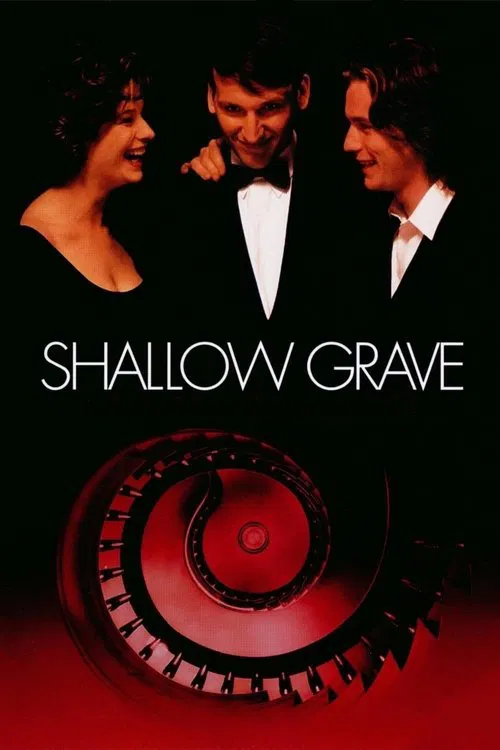
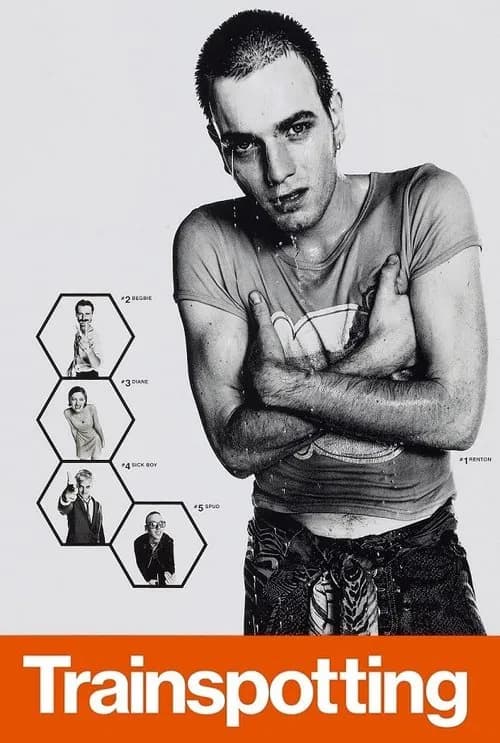
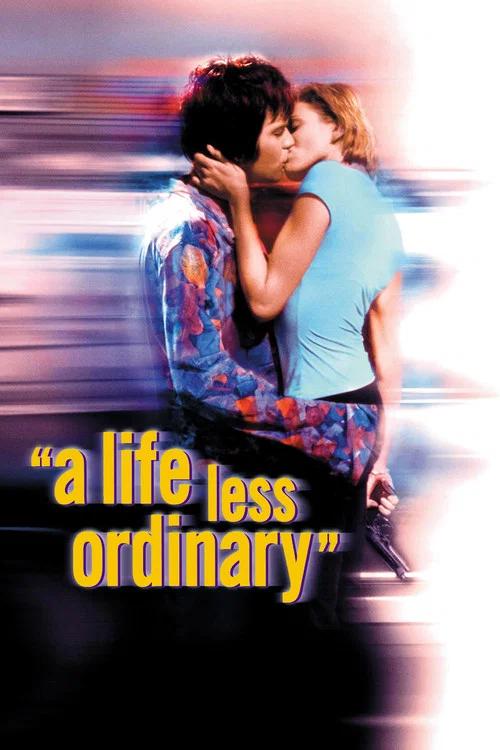
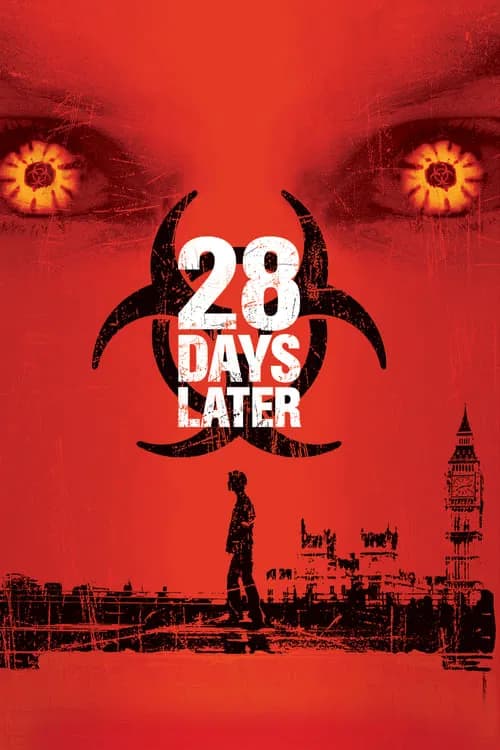
Danny Boyle directed The Beach, released in 2000. CineCode also covers Shallow Grave (1994), Trainspotting (1996), A Life Less Ordinary (1997), 28 Days Later (2002), Sunshine (2007), Slumdog Millionaire (2008).
What films are similar to The Beach?
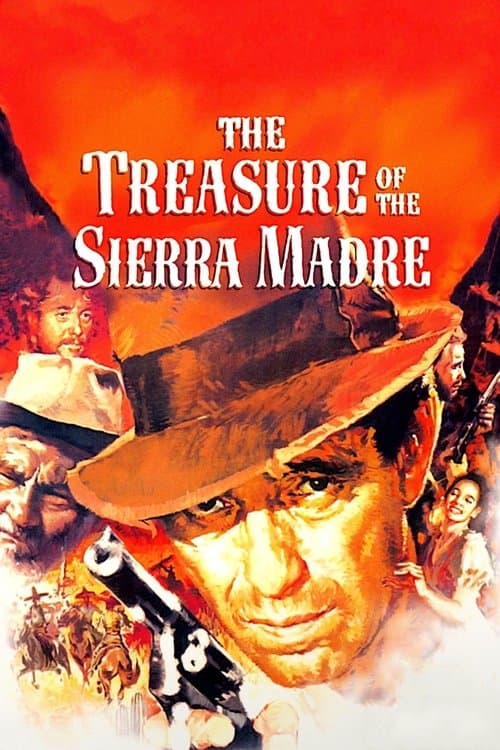
Films that share techniques with The Beach include Inception (2010), The Treasure of the Sierra Madre (1948), The Last Temptation of Christ (1988), Thelma & Louise (1991).