Crime · Thriller · Mystery

Dial M for Murder

Alfred Hitchcock, 1954

Retired tennis star Tony plans the perfect murder of his rich wife and blackmails an old classmate into doing it. When it goes wrong, he improvises, and a calm inspector begins pulling at the details.

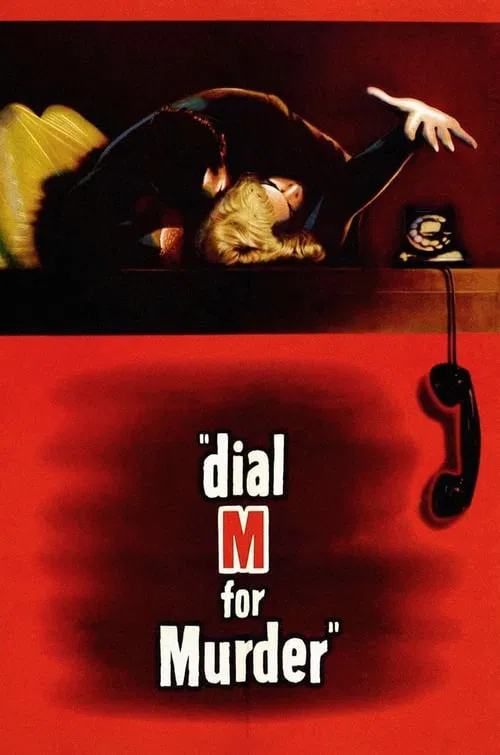
Dial M for Murder (1954) poster

At a glance

Dial M for Murder is a 1954 crime, thriller and mystery film directed by Alfred Hitchcock. This breakdown covers 5 techniques (1 cinematography, 3 narrative and 1 sound), each with the scene where you can see it. If you like how it is made, Cast Away uses several of the same techniques.

Cinematography

Single-Location Cinematography

Shooting almost the whole film in 1 confined place. Set design and camera movement keep it visually interesting, and the space itself takes on meaning as the story goes on.

How this film uses it

Almost everything happens in the Wendices' London flat, like a stage play. You get to know the door, the stairs and the desk so well that small changes stand out.

Where to see it

The planning scene. Tony invites Swann to the flat and lays out the murder plot in the same rooms where it will play out.

Narrative

Pre-Revealed Mystery

Giving the audience the mystery's solution before the main character finds it. The film stops being a whodunit, and the tension comes from watching them stumble toward what you already know.

How this film uses it

Tony lays out the entire plan to Swann before it happens, and you hear every step. The film stops being a whodunit and turns into a question of how the plan will fall apart. You watch the police stumble toward what you already know.

Where to see it

Tony's pitch to Swann. He tricks Swann into leaving fingerprints on a letter, then threatens to expose him unless he kills Margot.

Narrative

Symbolic Object

Returning to the same physical object again and again until it means more than what it is. It moves the plot and also stands for the film's main ideas.

How this film uses it

The latchkey hidden under the stair carpet moves the whole plot. Tony hides it, Swann uses it and the police later use it to catch Tony. By the end, 1 small key stands for how carefully Tony planned and how carelessly he assumed.

Where to see it

The key trap. Hubbard brings Margot to the flat, and she cannot open the door with the key from her handbag. When Tony finds his own key missing, he retrieves the hidden one from under the stair carpet, and that proves his guilt.

Sound

Diegetic Sound Design

Using sounds the characters themselves can hear, like footsteps, radios or traffic, to build tension or show how someone feels. The sound does more than make the scene realistic.

How this film uses it

The murder plot depends on a phone call. Swann waits in the flat for it to ring, and Tony hears the struggle through the receiver when it happens. You get the horror from the sound alone.

Where to see it

The phone call. Tony rings from the party and Margot answers, then Swann attacks her. Tony listens to her pleading for help.

Narrative

Forensic Inference Narration

Revealing character and motive through physical evidence and a detective's step-by-step reasoning, with no confessions or backstory dumps. You piece together the truth alongside the investigator.

How this film uses it

Inspector Hubbard works out the truth from objects. Margot's handbag holds Swann's own latchkey, which tells him Swann put the Wendices' key back right after opening the door. You follow his reasoning and not a confession.

Where to see it

Hubbard's visit. He tricks Tony into revealing that his latchkey is in his raincoat, then swaps coats with him and sets a trap.

Questions

Dial M for Murder: quick answers

What filmmaking techniques does Dial M for Murder use?
CineCode breaks down 5 techniques in Dial M for Murder (1954): Single-Location Cinematography, Pre-Revealed Mystery, Symbolic Object, Diegetic Sound Design and Forensic Inference Narration.
Who directed Dial M for Murder?
Alfred Hitchcock directed Dial M for Murder, released in 1954. CineCode also covers The 39 Steps (1935), The Lady Vanishes (1938), Rebecca (1940), Suspicion (1941), Saboteur (1942), Shadow of a Doubt (1943).
What films are similar to Dial M for Murder?
Films that share techniques with Dial M for Murder include Cast Away (2000), The Hateful Eight (2015), Carnage (2011), Parasite (2019).