Crime · Drama · Film Noir

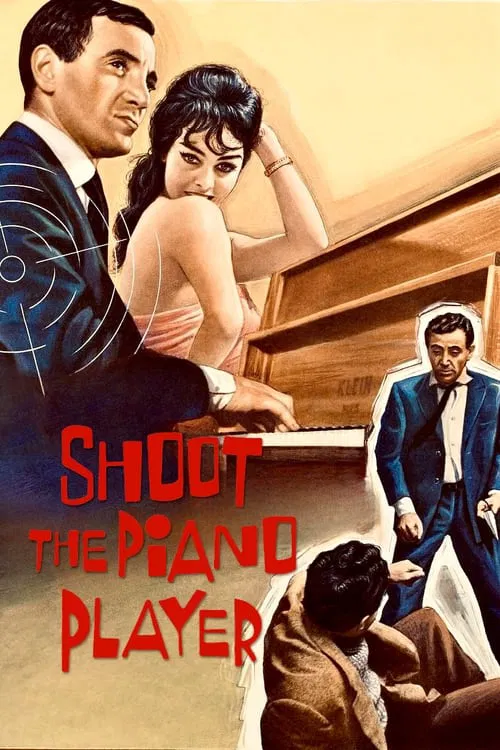
Shoot the Piano Player

François Truffaut, 1960

Charlie Kohler plays piano in a Paris bar and hides a past as a famous concert pianist. When his criminal brothers drag him into a feud with gangsters, his quiet life falls apart. Truffaut mixes crime, comedy and romance, so the tone keeps slipping out from under you.

Shoot the Piano Player (1960) poster

At a glance

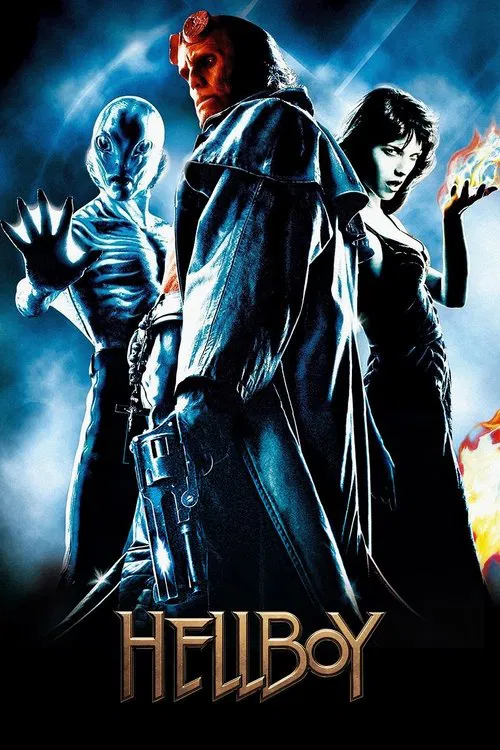
Shoot the Piano Player is a 1960 crime, drama and film noir film directed by François Truffaut. This breakdown covers 4 techniques (2 narrative, 1 psychology and 1 sound), each with the scene where you can see it. If you like how it is made, Hellboy uses several of the same techniques.

Narrative

Genre Collage

Mixing several genres in 1 film, such as crime, romance, horror and absurd comedy. The clash between them keeps you from settling into a single way of watching.

How this film uses it

The film starts as a gangster story, turns into a love story, then breaks for comedy and tragedy. Truffaut pays tribute to American film noir and then undercuts it. You never settle into one mood.

Where to see it

The abduction. Gangsters take Charlie and Léna in a car, and the scene moves from fear to jokes to an escape.

Psychology

Identity Construction and Loss

Showing a character's sense of self being built, borrowed or stripped away by pressure, roles or the group. Who they are shifts with what they wear, say or join.

How this film uses it

Édouard Saroyan, a concert pianist, hides under the name Charlie Kohler after his wife's death. His new name and small job are a shield. Léna knows his real name and keeps pulling him back toward his past.

Where to see it

Charlie's backstory. Édouard learns from his wife Thérèse that his career came from her affair with an agent, and she then kills herself.

Sound

Diegetic Musical Performance

Letting characters perform the songs on screen, so the music comes from their own hands and voices. You hear the song and the performer's nerves at the same time.

How this film uses it

Charlie plays piano in Plyne's bar every night. The music comes from his own hands and fills the empty hours. It shows the skill he has left behind and the quiet he wants.

Where to see it

The bar. Charlie plays for customers at Plyne's, then spends the rest of the night with Clarisse when she has no clients.

Narrative

Digressive Crime Dialogue

Letting criminals chat about trivial, personal matters during a tense moment. The small talk makes the danger feel stranger and more human.

How this film uses it

The gangsters who grab Charlie are not cold killers. They talk like ordinary men, and the chat keeps cutting into the threat. You laugh just as you start to worry.

Where to see it

The abduction. The gangsters take Charlie and Léna, who escape through Léna's quick thinking.

Questions

Shoot the Piano Player: quick answers

What filmmaking techniques does Shoot the Piano Player use?
CineCode breaks down 4 techniques in Shoot the Piano Player (1960): Genre Collage, Identity Construction and Loss, Diegetic Musical Performance and Digressive Crime Dialogue.
Who directed Shoot the Piano Player?
François Truffaut directed Shoot the Piano Player, released in 1960. CineCode also covers The 400 Blows (1959), Jules and Jim (1962), Fahrenheit 451 (1966), Stolen Kisses (1968), Bed and Board (1970), The Wild Child (1970).
What films are similar to Shoot the Piano Player?
Films that share techniques with Shoot the Piano Player include Hellboy (2004), Hit Man (2024), I'm Not There (2007), Frank (2014).