Comedy · Romance

Stolen Kisses

François Truffaut, 1968

Antoine Doinel leaves the army in disgrace and drifts through jobs as a hotel night clerk, a private detective and a TV repairman while chasing his girlfriend Christine and a shop owner's wife. Truffaut keeps it light and awkward, so you laugh at Antoine and still root for him.

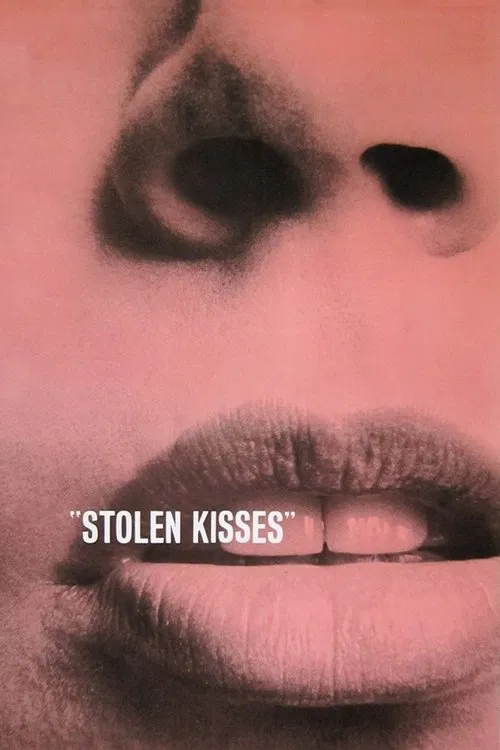
Stolen Kisses (1968) poster

At a glance

Stolen Kisses is a 1968 comedy and romance film directed by François Truffaut. This breakdown covers 5 techniques (3 narrative, 1 psychology and 1 sound), each with the scene where you can see it. If you like how it is made, Once Upon a Time in Hollywood uses several of the same techniques.

Narrative

Autobiographical Distance

Drawing on the filmmaker's own life but keeping it at arm's length, often through a fictional stand-in. The result is precise and unsentimental, and it can question how memory flatters us.

How this film uses it

Antoine carries over from Truffaut's earlier film about a boy who feels unwanted. Here he is a young man who reads novels and writes long letters to a girl. Truffaut watches him with fondness, and he never lets Antoine look like a hero.

Where to see it

The army discharge. Antoine is let go as unfit because he prefers reading and writing to Christine over obeying orders.

Narrative

Picaresque Structure

Telling the story as a loose string of separate adventures, often following a low-status hero through different levels of society. With no single plot, the episodes add up to a portrait of a world.

How this film uses it

Antoine moves from night clerk to detective, shoe store stock boy and TV repairman. Each job is a separate comic episode with new people. Together they show a young man who tries on lives without knowing who he is.

Where to see it

The shoe store case. Antoine poses as a stock boy to find out why nobody likes the owner, though he has never worked in a store.

Narrative

Comedy of Discomfort

Wringing laughs from awkward, humiliating or obstructive situations, so the audience squirms as characters fail to read or beat the system.

How this film uses it

Antoine is clumsy and out of his depth in almost every scene. The jokes come from his failed attempts to look professional. You squirm and laugh in the same moment.

Where to see it

The TV repair. Christine disables her TV on purpose, and Antoine spends hours trying to fix it, though it is only missing a tube.

Psychology

Attraction Against Judgment

Letting a character fall for someone they should distrust or oppose. Desire overrides suspicion, so the romance becomes a source of risk and comic or tragic tension.

How this film uses it

Antoine is supposed to spy on the shop owner, yet he falls for the owner's wife, Fabienne, who willingly seduces him. He knows it is a bad idea and keeps going. The romance becomes a comic risk.

Where to see it

The shoe store owner's wife. Antoine becomes smitten with Fabienne while he works on her husband's case.

Sound

Pop Music Needle Drop

Playing an existing popular song at a precise moment in the film. The song's lyrics, era and associations add irony, period feel or emotion that an original score could not.

How this film uses it

Charles Trenet's song "Que reste-t-il de nos amours" frames the film with a tender, wistful mood. The lyrics suggest that love leaves a trace once it is gone. It tells you the film's gentle jokes are also about memory.

Where to see it

The credits. Trenet's song plays under the titles and sets the tone before Antoine appears.

Questions

Stolen Kisses: quick answers

What filmmaking techniques does Stolen Kisses use?
CineCode breaks down 5 techniques in Stolen Kisses (1968): Autobiographical Distance, Picaresque Structure, Comedy of Discomfort, Attraction Against Judgment and Pop Music Needle Drop.
Who directed Stolen Kisses?
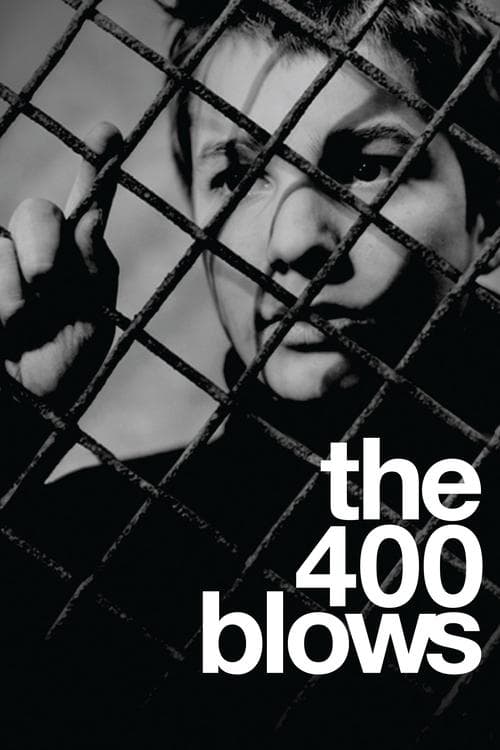
François Truffaut directed Stolen Kisses, released in 1968. CineCode also covers The 400 Blows (1959), Shoot the Piano Player (1960), Jules and Jim (1962), Fahrenheit 451 (1966), Bed and Board (1970), The Wild Child (1970).
What films are similar to Stolen Kisses?
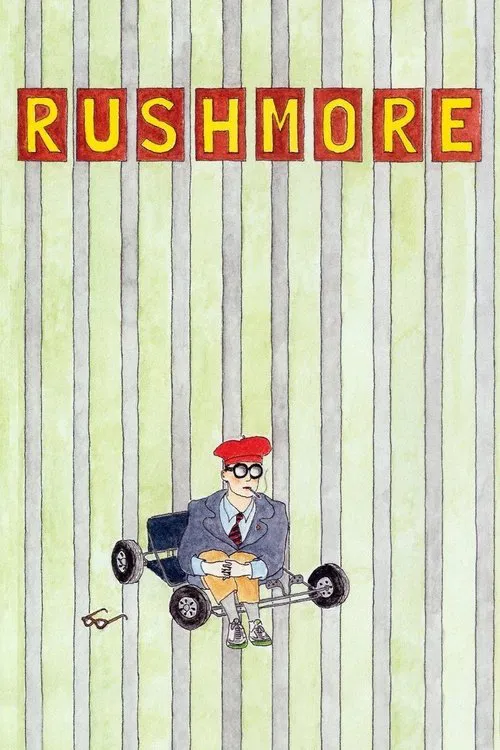
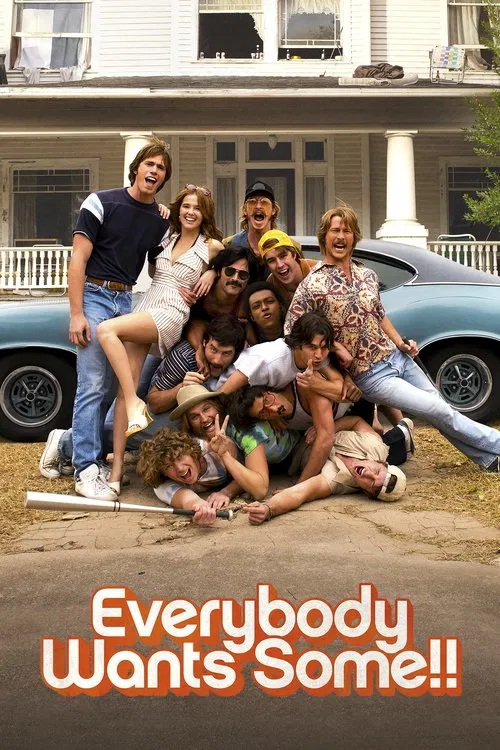
Films that share techniques with Stolen Kisses include Once Upon a Time in Hollywood (2019), Inherent Vice (2014), Rushmore (1998), Everybody Wants Some!! (2016).