Science Fiction · Drama

Fahrenheit 451

François Truffaut, 1966

In a future where books are illegal, fireman Guy Montag burns the books people hide. A young neighbor asks if he has ever read one, and he starts to hide books of his own. Truffaut keeps the look bright and ordinary so the horror of burning pages feels closer.

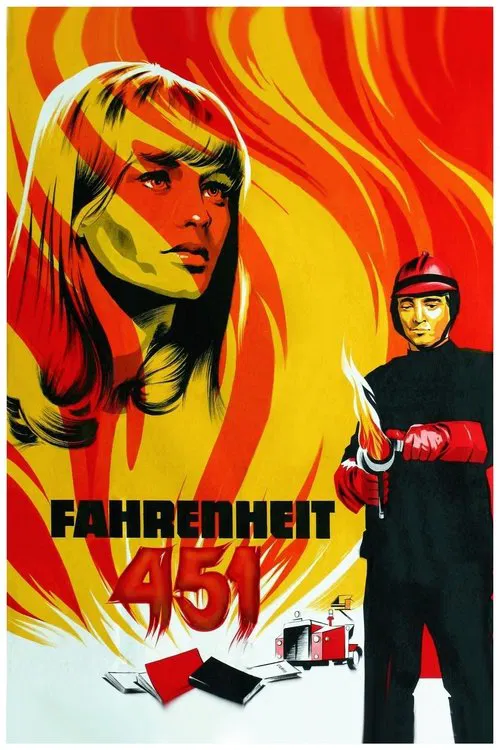
Fahrenheit 451 (1966) poster

At a glance

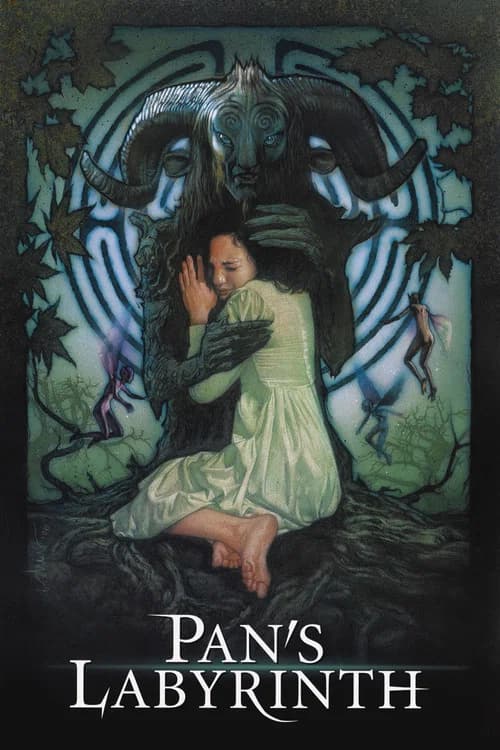
Fahrenheit 451 is a 1966 science fiction and drama film directed by François Truffaut. This breakdown covers 4 techniques (2 narrative, 1 cinematography and 1 sound), each with the scene where you can see it. If you like how it is made, Pan's Labyrinth uses several of the same techniques.

Narrative

Environmental Satire

Mocking a specific world, such as an industry, an institution or consumer culture, by exaggerating what is already there. A sci-fi future built from present trends can do this with no direct argument.

How this film uses it

Montag's wife Linda lives for The Family, an interactive television program that calls its viewers cousins. Truffaut mocks a world that prefers screen company to real thought. The satire works because the TV looks harmlessly cheerful.

Where to see it

Linda's living room. Montag confronts her and her friends and calls them zombies who are just killing time.
Narrative

Symbolic Object

Returning to the same physical object again and again until it means more than what it is. It moves the plot and also stands for the film's main ideas.

How this film uses it

Books carry the whole idea of free thought. Montag first hides one, then reads David Copperfield, and finally forces others to listen to it. Each time a book appears, someone's inner life changes.

Where to see it

The reading. Montag makes Linda's friends sit and listen as he reads from David Copperfield, and one of them breaks down in tears.

Cinematography

Color Symbolism

Giving specific colors to characters, groups or ideas and sticking to them through the film. Each time a color appears, it tells you something beyond what is shown.

How this film uses it

The firemen's bright red engine stands out against the plain suburban streets. Red is the color of the state's power and of fire. It tells you who has control before anyone speaks.

Where to see it

The fire engine's rounds. The firemen drive through town to find and burn hidden books.

Sound

Composer Signature Score

Letting a particular composer's or musician's style define the film's sound. The music has a recognizable voice that shapes mood and character.

How this film uses it

Bernard Herrmann composed the score, and his music gives the film a cold, floating sadness. It marks the world as both gentle and dangerous. You feel the loss of books before you see them burn.

Where to see it

The old woman's library. The fire captain Beatty talks with Montag at a collector's house, and she chooses to burn herself with her books.

Questions

Fahrenheit 451: quick answers

What filmmaking techniques does Fahrenheit 451 use?
CineCode breaks down 4 techniques in Fahrenheit 451 (1966): Environmental Satire, Symbolic Object, Color Symbolism and Composer Signature Score.
Who directed Fahrenheit 451?
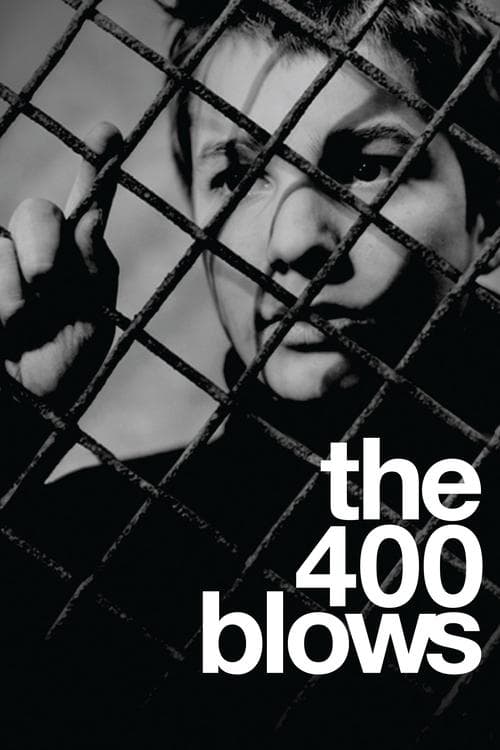
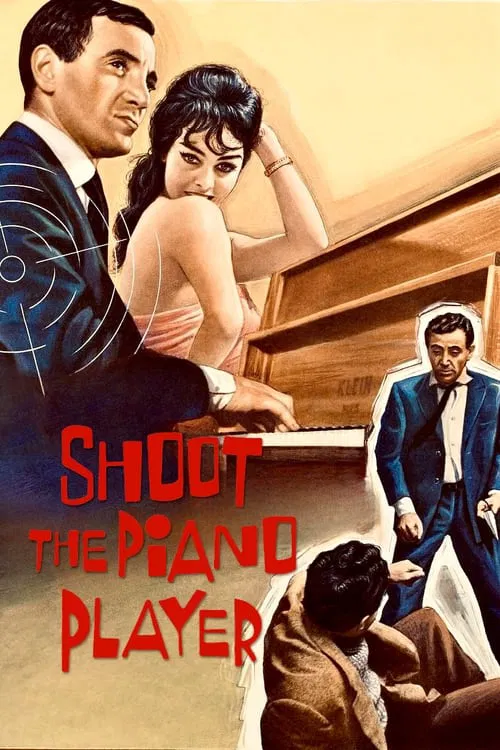
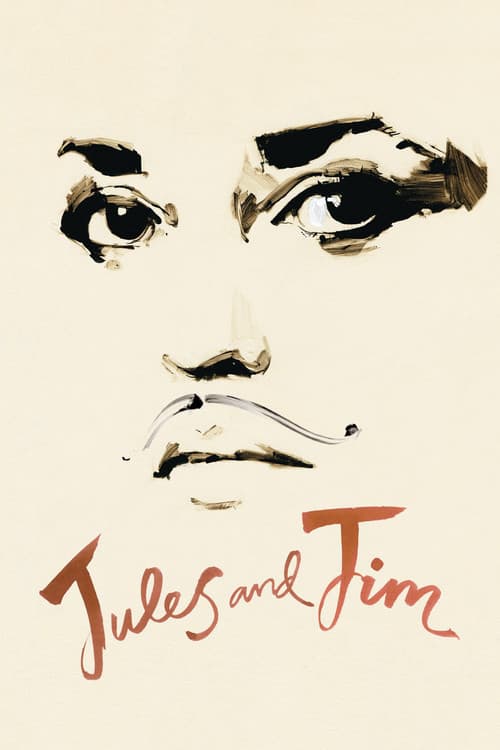
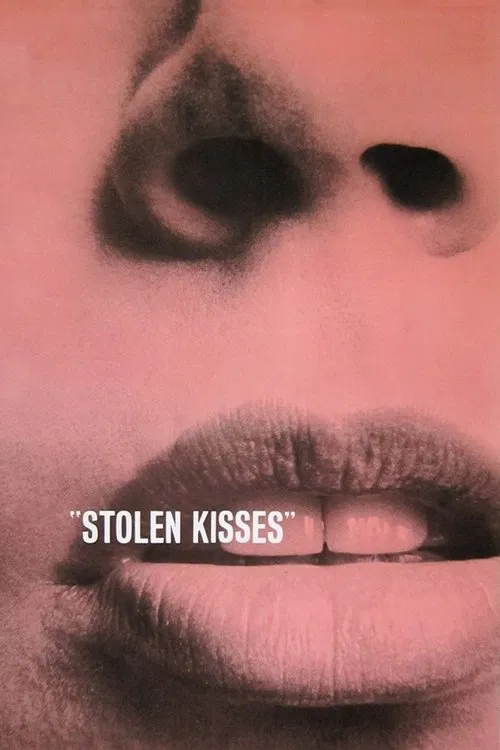
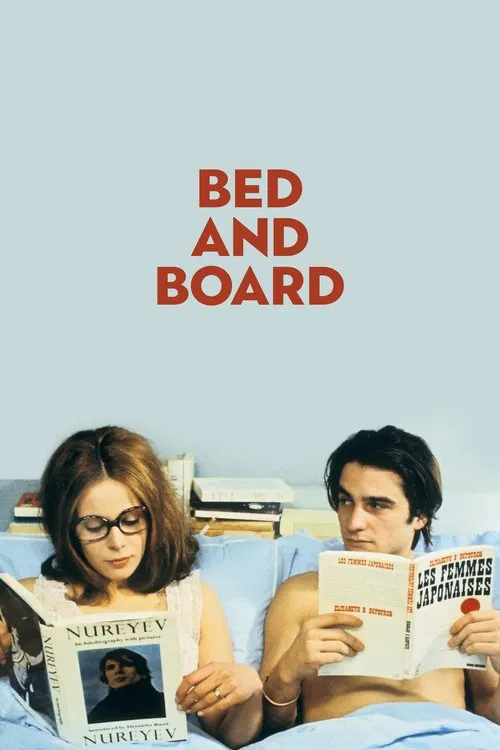
François Truffaut directed Fahrenheit 451, released in 1966. CineCode also covers The 400 Blows (1959), Shoot the Piano Player (1960), Jules and Jim (1962), Stolen Kisses (1968), Bed and Board (1970), The Wild Child (1970).
What films are similar to Fahrenheit 451?
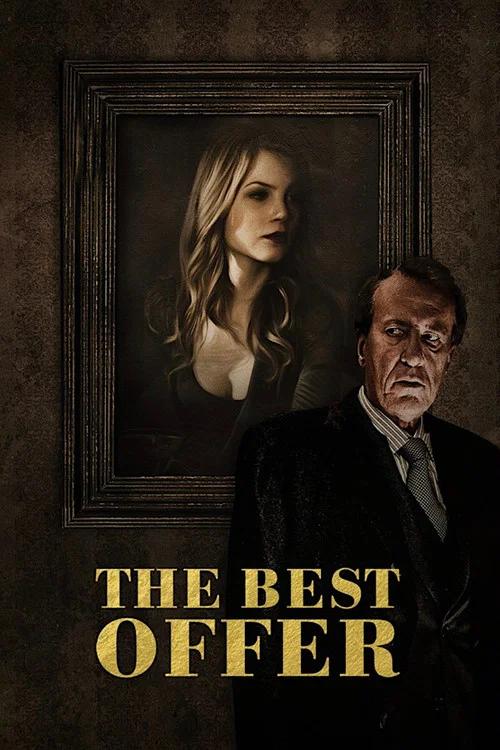
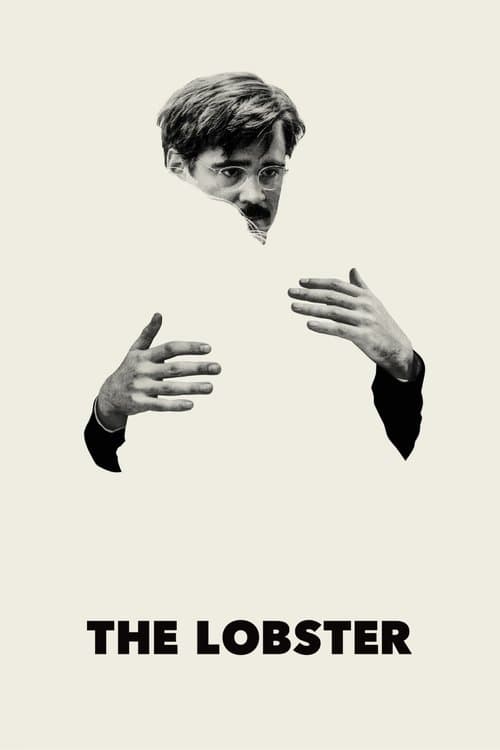
Films that share techniques with Fahrenheit 451 include Pan's Labyrinth (2006), The Lobster (2015), The Green Knight (2021), The Best Offer (2013).