Drama · History · War

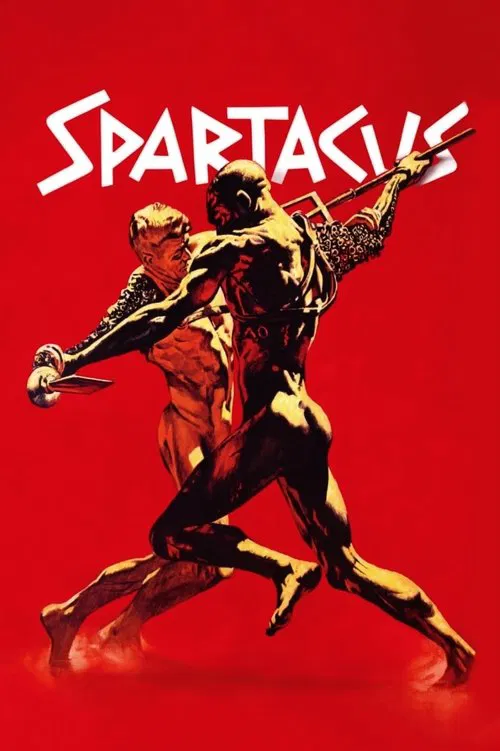
Spartacus

Stanley Kubrick, 1960

Spartacus, a slave in the Roman Republic, rises from a gladiator school to lead a huge slave rebellion against Rome. Kubrick took over from the first director after a few weeks, and it is the only film he made without full artistic control. Watch how it handles crowds and spectacle.

Spartacus (1960) poster

At a glance

Spartacus is a 1960 drama, history and war film directed by Stanley Kubrick. This breakdown covers 4 techniques (2 narrative, 1 cinematography and 1 sound), each with the scene where you can see it. If you like how it is made, The Dark Knight uses several of the same techniques.

Narrative

Sacrificial Rebel Arc

Sending a charismatic outsider into a closed system, where they free the people trapped inside. The system destroys the rebel in the end, and that sacrifice lets others escape.

How this film uses it

Spartacus starts as a slave bought for a gladiator school and becomes the leader who frees others. Rome crushes the uprising in the end. His death still matters, because it gives the survivors and his son a chance at something else.

Where to see it

The final scenes. Spartacus is dying, and Varinia shows him his son, who is now free.
Narrative

Collective Identity Gesture

Having many characters take on the same name or phrase in one moment, so a group acts as one person. The gesture turns loyalty into a visible act.

How this film uses it

The captured rebels are told they can be spared if they hand over Spartacus. Antoninus says he is Spartacus, then the others say it too. One name becomes everyone's, and the Romans cannot pick him out.

Where to see it

The 'I'm Spartacus' scene. After the battle, the prisoners stand up one after another and claim the name, and all are sentenced to crucifixion.

Cinematography

IMAX Cinematography

Shooting on very large-format 70mm IMAX film, which gives a much sharper, deeper and taller picture. It captures huge scale and small detail in the same shot.

How this film uses it

The film was shot in Super Technirama 70, a large film format, and then blown up to 70mm. The image is sharp and wide enough to hold huge crowds. Russell Metty won an Academy Award for the photography.

Where to see it

The battle scenes. They were filmed in Spain, and large crowds fill the wide frame.

Sound

Unusual Instrument Scoring

Choosing an odd or unexpected instrument for the score. The unfamiliar tone makes the world feel fresh, strange or psychologically unsettled.

How this film uses it

Alex North wrote the score using unusual instruments, including the ondioline, an early electronic instrument. The music sounds a little strange for an ancient setting, so Rome feels less like a museum piece.

Where to see it

The score throughout the film. The unusual instruments underline both the gladiator school and the march of the rebel army.

Questions

Spartacus: quick answers

What filmmaking techniques does Spartacus use?
CineCode breaks down 4 techniques in Spartacus (1960): Sacrificial Rebel Arc, Collective Identity Gesture, IMAX Cinematography and Unusual Instrument Scoring.
Who directed Spartacus?
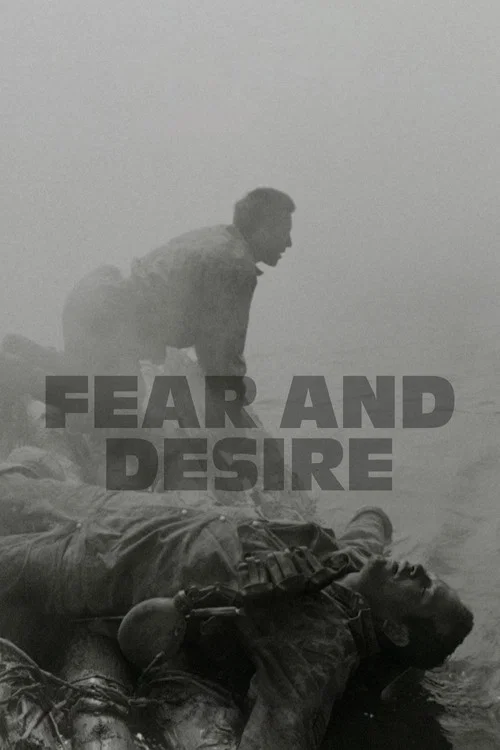
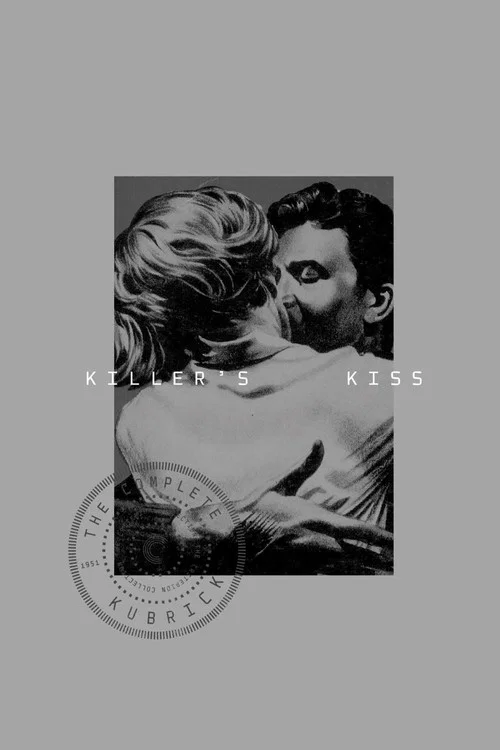
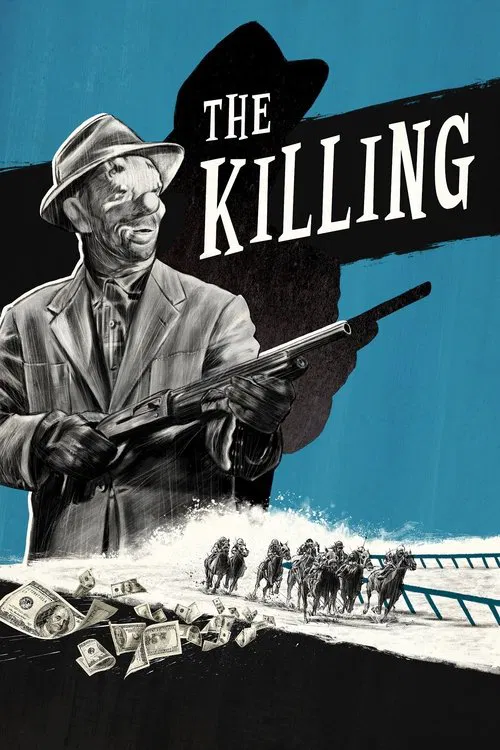
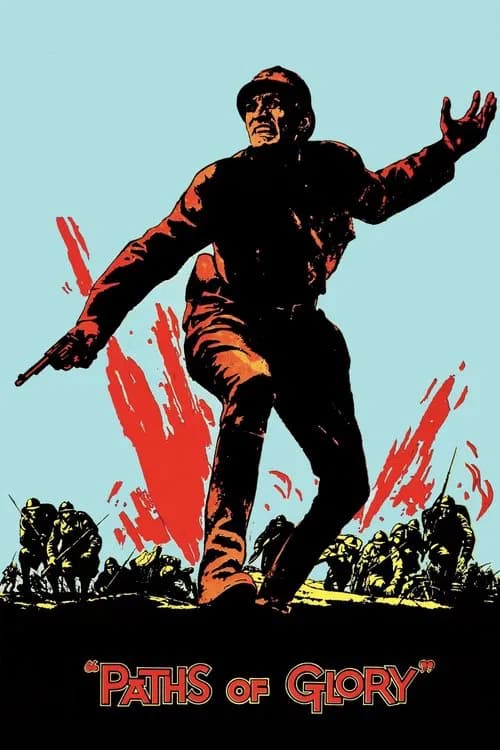
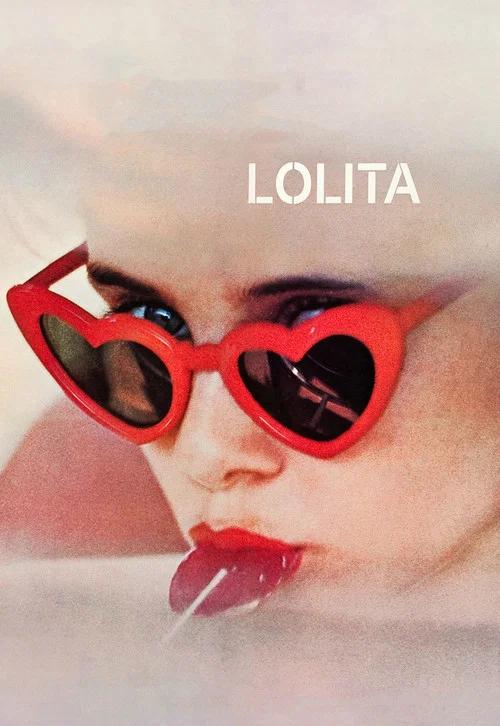
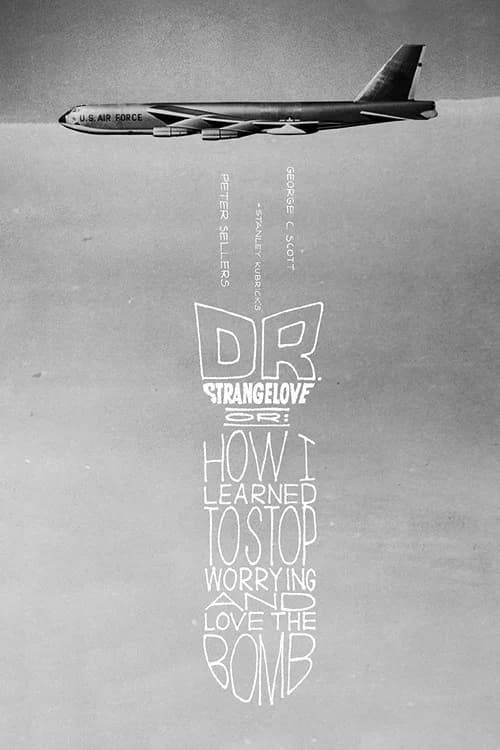
Stanley Kubrick directed Spartacus, released in 1960. CineCode also covers Fear and Desire (1953), Killer's Kiss (1955), The Killing (1956), Paths of Glory (1957), Lolita (1962), Dr. Strangelove (1964).
What films are similar to Spartacus?
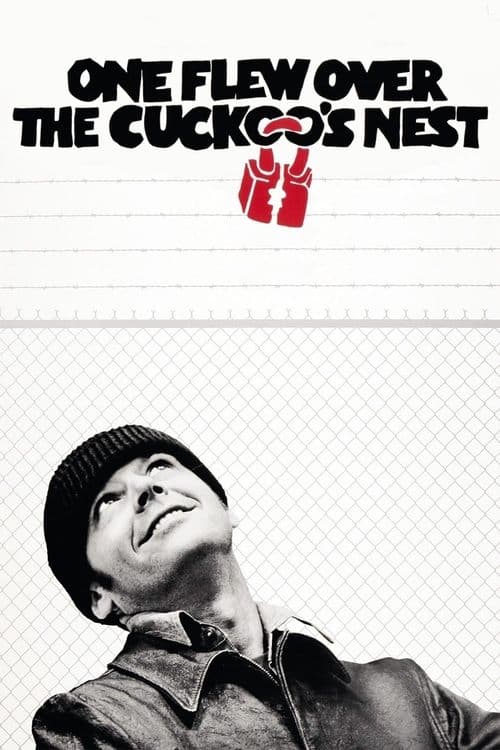
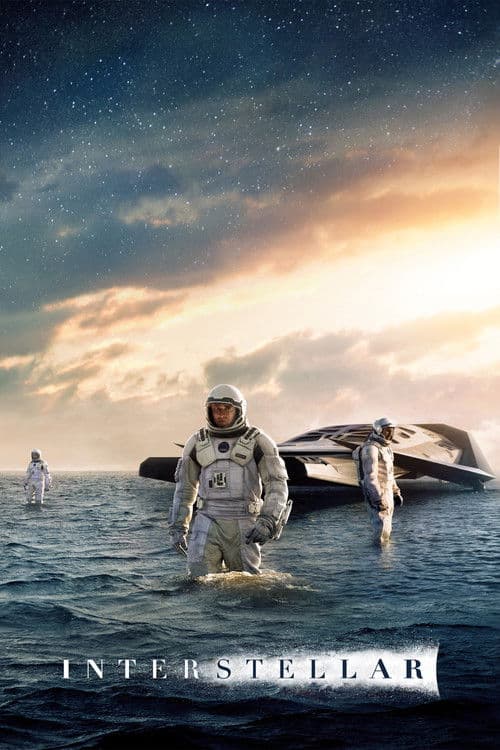
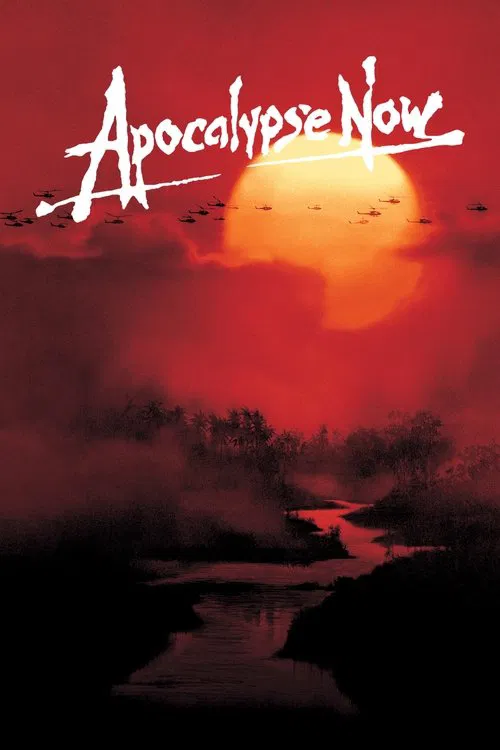
Films that share techniques with Spartacus include The Dark Knight (2008), One Flew Over the Cuckoo's Nest (1975), Interstellar (2014), Apocalypse Now (1979).