Drama · History

The Wild Child

François Truffaut, 1970

In 1798, hunters capture a boy who has grown up alone in the forests of southern France. Dr. Itard takes him in and tries to teach him to live among people and to speak. Watch how Truffaut borrows from silent film in a calm, black-and-white study of patience.

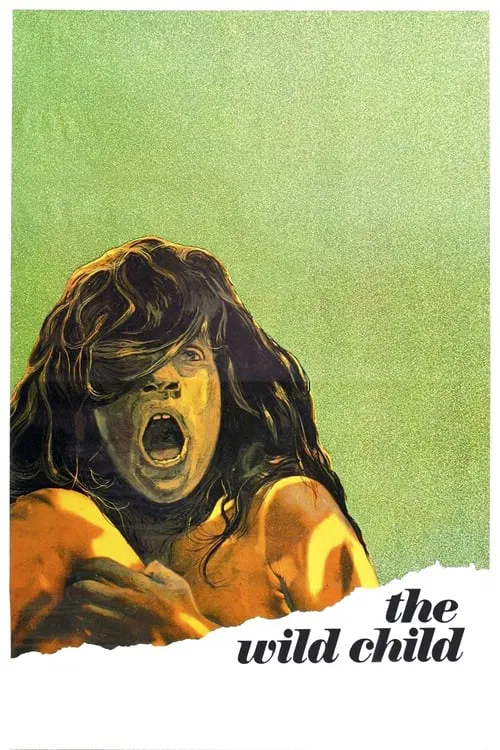
The Wild Child (1970) poster

At a glance

The Wild Child is a 1970 drama and history film directed by François Truffaut. This breakdown covers 5 techniques (1 narrative, 1 editing, 2 sound and 1 cinematography), each with the scene where you can see it. If you like how it is made, Escape to Victory uses several of the same techniques.

Narrative

Non-Professional Cast Authenticity

Casting real people from the community being shown, such as workers and local residents, with no trained actors in those roles. Their looks and behavior feel true in a way acting can't copy.

How this film uses it

Jean-Pierre Cargol, a 12-year-old Romani boy with no acting experience, plays Victor. His movements and wary looks do not feel rehearsed. Truffaut himself plays Itard, so the teacher and the pupil are two people finding their way in front of the camera.

Where to see it

The capture. Hunters chase the boy with dogs, and he fights and hides until smoke forces him out of a hole.
Editing

Creative Scene Transition

Moving between scenes with an inventive device, such as a blackout, seasonal change, sound bridge or imaginative link. The transition itself carries meaning or mood.

How this film uses it

Truffaut uses an iris shutter to end scenes, as if the film were a silent picture. The circle closes on Victor, and the boy seems to move in and out of darkness. It gives the film a quiet, old-fashioned tone.

Where to see it

The scene endings. The picture closes in a circle on Victor, who slips back into darkness.

Sound

Voiceover Narration Device

Using a narrator's voice to guide the story, either as flat documentary report or as a voice that gets interrupted. The narration shapes how much you trust the telling.

How this film uses it

Itard's diary voice-over runs through the film, which has very little dialogue. His calm, scientific tone records each small step. You learn what he hopes for and how much he cares.

Where to see it

The diary entries. Itard describes Victor's progress in a measured voice over scenes of lessons.

Sound

Classical Music as Score

Using existing classical pieces as the soundtrack, with no newly composed score. The music brings its own history, cultural weight and emotion into the film.

How this film uses it

The score uses music by Antonio Vivaldi, arranged for the film. The elegant pieces suggest the civilized world Victor is entering. They also give the story a gentle, steady rhythm.

Where to see it

The lessons. Itard teaches Victor in his house outside Paris while Vivaldi's music plays.

Cinematography

Recurring Visual Motif

Repeating one shape or image, such as circles, an X or a fragile natural sight, throughout the film. Each return adds meaning and quietly signals themes or fate.

How this film uses it

Windows mark the line between the closed rooms of Itard's house and the outside world. Victor keeps returning to them. Each time, you sense the tug between life inside civilization and the life he left.

Where to see it

The windows. Victor stands where the house meets the open air, between rules and nature.

Questions

The Wild Child: quick answers

What filmmaking techniques does The Wild Child use?
CineCode breaks down 5 techniques in The Wild Child (1970): Non-Professional Cast Authenticity, Creative Scene Transition, Voiceover Narration Device, Classical Music as Score and Recurring Visual Motif.
Who directed The Wild Child?
François Truffaut directed The Wild Child, released in 1970. CineCode also covers The 400 Blows (1959), Shoot the Piano Player (1960), Jules and Jim (1962), Fahrenheit 451 (1966), Stolen Kisses (1968), Bed and Board (1970).
What films are similar to The Wild Child?
Films that share techniques with The Wild Child include Escape to Victory (1981), City of God (2002), The Lion King (1994), The Departed (2006).