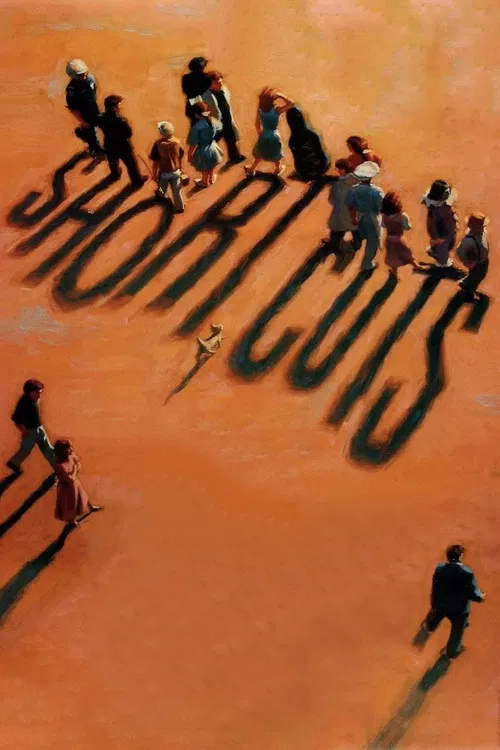
Drama · Comedy

Short Cuts

Robert Altman, 1993

Nine short stories and a poem by Raymond Carver become 1 sprawling Los Angeles film. Helicopters spray for medflies, and neighbors, lovers and strangers bump into each other as their lives collide. Worth watching for how Altman keeps dozens of characters in motion and lets an earthquake tie them together.

Short Cuts (1993) poster

At a glance

Short Cuts is a 1993 drama and comedy film directed by Robert Altman. This breakdown covers 5 techniques (3 narrative, 1 sound and 1 psychology), each with the scene where you can see it. If you like how it is made, Tangerine uses several of the same techniques.

Narrative

Interwoven Storylines

Running several separate storylines side by side, sometimes leading them to collide, so each thread comments on the others and the whole becomes a larger picture.

How this film uses it

The film cuts among about 2 dozen characters across the city. A pool cleaner, a baker, a cop, a jazz singer and a family at a hospital never get their own separate movies. Their lives overlap by small coincidences, so the city feels like one big nervous system.

Where to see it

The opening: helicopters spray for medflies across Los Angeles. The flight path brings various characters into the film.
Narrative

Source Story Transplant

Moving a known story into a new genre, country or era while keeping its core plot, so the familiar skeleton takes on a different meaning.

How this film uses it

Raymond Carver wrote about working people in the Pacific Northwest. Altman moves his stories to Los Angeles and weaves them together. The familiar plots of drinking, cheating and sudden grief take on a different edge in a big sunny city.

Where to see it

The Casey storyline: a boy is hit by a car on his birthday and seems fine, then falls unconscious. His parents wait at the hospital while the baker keeps calling about the birthday cake.

Narrative

Fate as Plot Force

Letting chance, luck or a prophecy steer the plot, so outcomes feel governed by forces beyond character intention and moral desert.

How this film uses it

Chance decides who lives and dies. A boy steps in front of a car, a killing may be blamed on an earthquake and nobody has control. The film refuses to give these events a moral reason, which makes them feel true.

Where to see it

The earthquake: after Jerry kills a young woman with a rock, a major earthquake strikes. The aftermath suggests his act might be mistaken for damage from the falling rocks.

Sound

Diegetic Musical Performance

Letting characters perform the songs on screen, so the music comes from their own hands and voices. You hear the song and the performer's nerves at the same time.

How this film uses it

Characters sing and play within the story, so music belongs to people instead of to the soundtrack. A jazz singer performs, and her daughter plays the cello at a concert that links some of the characters. The performances show what the players hold inside.

Where to see it

The cello concert: at the start of the film, Zoe Trainer performs on cello. Two of the couples meet there and agree to a Sunday dinner.

Psychology

Shared Secret Guilt

Binding several characters together through a secret wrong that they hold, confess or hide. The guilt is spread among them and shapes how they treat one another.

How this film uses it

Three friends find a body while fishing and decide to keep fishing. They tie her to the rocks, report it later and then avoid each other's eyes. The secret stays with them and colors every relationship they have afterward.

Where to see it

The fishing trip: Stuart, Gordon and Vern discover a young woman's body in the water. They tie her to the rocks and continue fishing before reporting it.

Questions

Short Cuts: quick answers

What filmmaking techniques does Short Cuts use?
CineCode breaks down 5 techniques in Short Cuts (1993): Interwoven Storylines, Source Story Transplant, Fate as Plot Force, Diegetic Musical Performance and Shared Secret Guilt.
Who directed Short Cuts?
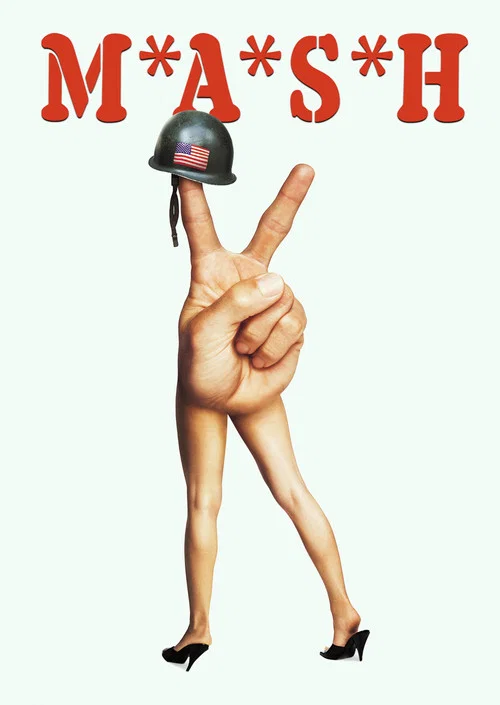
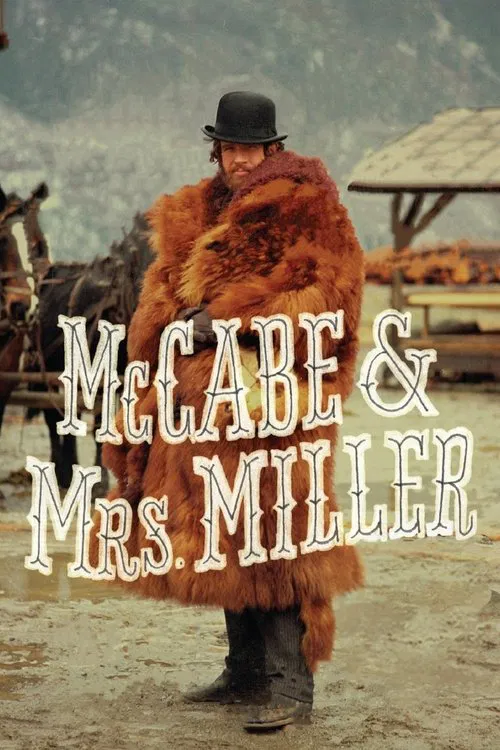
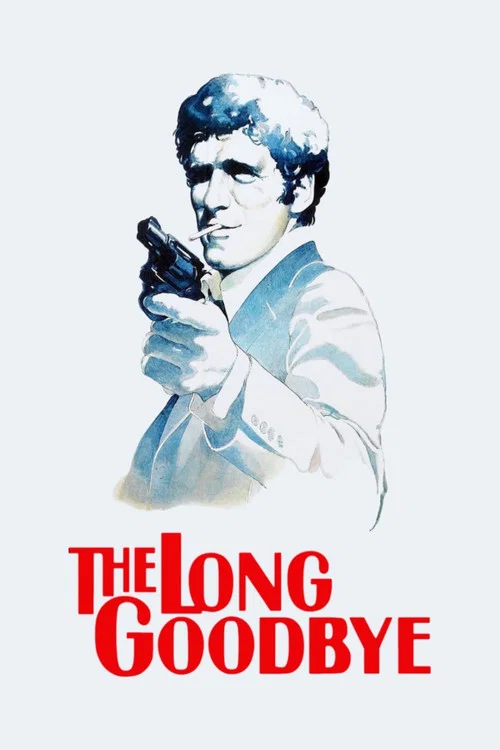
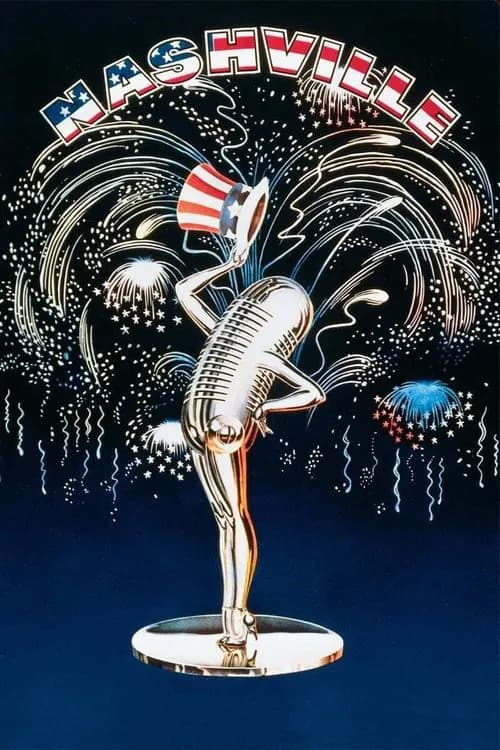
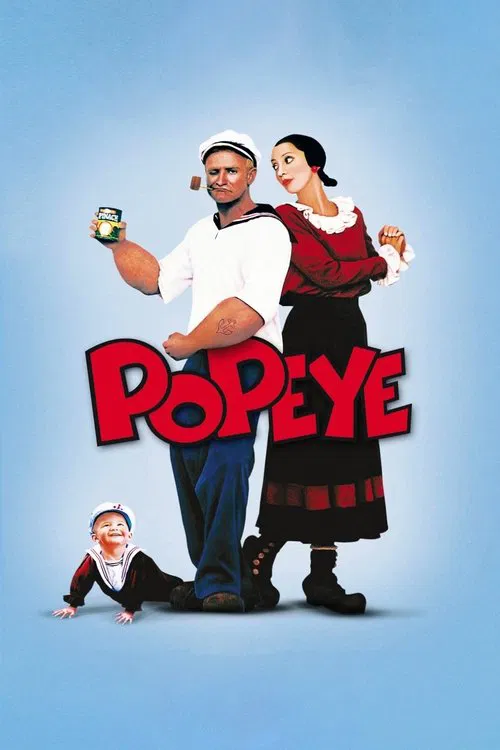
Robert Altman directed Short Cuts, released in 1993. CineCode also covers M*A*S*H (1970), McCabe & Mrs. Miller (1971), The Long Goodbye (1973), Nashville (1975), 3 Women (1977), Popeye (1980).
What films are similar to Short Cuts?
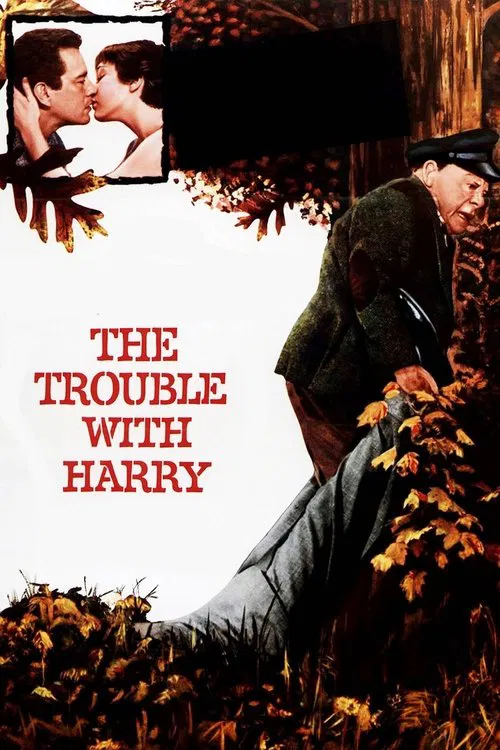
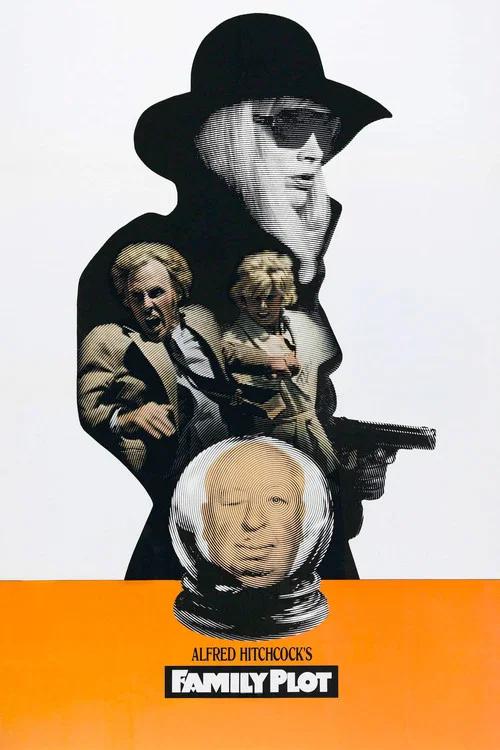
Films that share techniques with Short Cuts include Tangerine (2015), I Confess (1953), The Trouble with Harry (1955), Family Plot (1976).