Science Fiction · Thriller · Drama

Sunshine

Danny Boyle, 2007

In 2057, the Sun is dying and 8 astronauts carry a giant bomb to restart it. A distress signal from an earlier ship pulls them off course, and the mission starts to unravel. Boyle builds a claustrophobic ship where the Sun itself feels like a character.

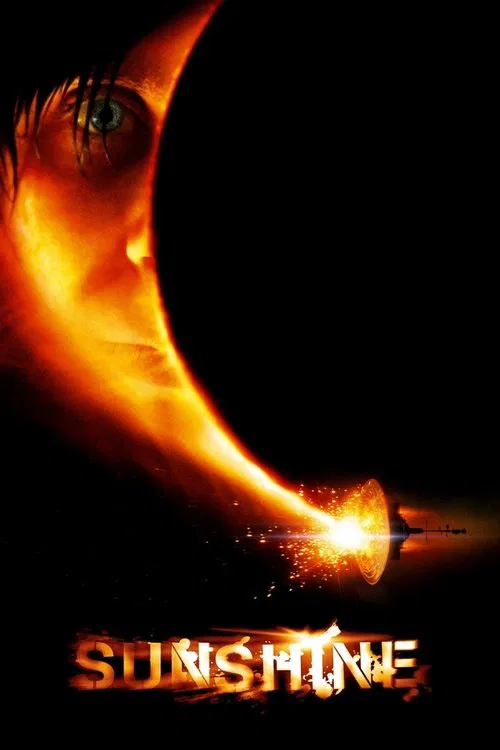
Sunshine (2007) poster

At a glance

Sunshine is a 2007 science fiction, thriller and drama film directed by Danny Boyle. This breakdown covers 5 techniques (3 cinematography, 1 narrative and 1 psychology), each with the scene where you can see it. If you like how it is made, Blade Runner 2049 uses several of the same techniques.

Cinematography

Color Palette as Worldbuilding

Limiting the film to a tightly chosen set of colors, or giving each place or state its own set. The colors tell you about the world and its mood without dialogue.

How this film uses it

Cinematographer Alwin Kuchler gave the ship's interior grays, blues and greens with no orange, red or yellow. Because audiences are starved of those colors, sunlight feels like it penetrates the screen when it finally appears.

Where to see it

Kaneda's sacrifice: Kaneda completes the final shield repair himself, moments before a wave of sunlight engulfs and kills him.

Cinematography

Hard Science Fiction Aesthetics

Designing a science fiction world around real science and believable extensions of today's technology and cities. The physics creates the drama, and the future feels connected to the present.

How this film uses it

The production consulted NASA and physicist Brian Cox. The gold-leaf shielding was inspired by NASA satellite designs. A few errors were kept for the drama, such as the whooshing ship, and some scientists criticized them.

Where to see it

Shield repair: A navigator's mistake damages the reflective panels. Cassie angles the ship into Mercury's shadow while Kaneda and Capa go out to repair the shield.

Narrative

Genre Subversion

Setting up a film to look like a familiar genre, then breaking that genre's rules on purpose. You have to rethink what kind of story you are watching.

How this film uses it

A thoughtful space mission turns into a stalking horror. One critic said the switch to slasher mode might have been added for teenage audiences. You have to change how you are watching halfway through the film.

Where to see it

Pinbacker aboard: The crew finds Pinbacker alive on Icarus II. He disables the ship by lifting its mainframes from the coolant baths and kills Corazon.

Cinematography

Light as Psychological Pressure

Using constant or harsh light that a character can't escape, so the brightness keeps them from resting or hiding. You watch them wear down under it.

How this film uses it

Boyle called the film's threat light, which is hard to film because cinema usually generates fear through darkness. Searle's fascination with staring at the Sun shows how the brightness pulls the crew in.

Where to see it

Searle's last look: Searle returns to the observation deck of Icarus I and exposes himself to unfiltered sunlight, killing himself.

Psychology

Isolation-Induced Breakdown

Cutting a character off from others, whether by space, confinement or mission, and showing the mind coming apart. Without outside contact, their grip on reality slips.

How this film uses it

Boyle had the cast live together, and he refused to cut back to scenes on Earth. Inside the ship, you watch each crew member react differently to the strain, from Trey's guilt to Searle's obsession.

Where to see it

Trey's breakdown: After Kaneda dies, Trey blames himself and Searle sedates him as a suicide risk. Later, Trey takes his own life.

Questions

Sunshine: quick answers

What filmmaking techniques does Sunshine use?
CineCode breaks down 5 techniques in Sunshine (2007): Color Palette as Worldbuilding, Hard Science Fiction Aesthetics, Genre Subversion, Light as Psychological Pressure and Isolation-Induced Breakdown.
Who directed Sunshine?
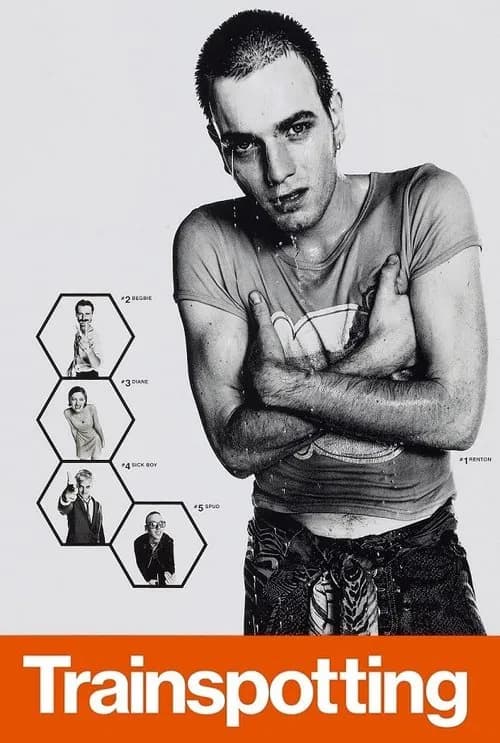
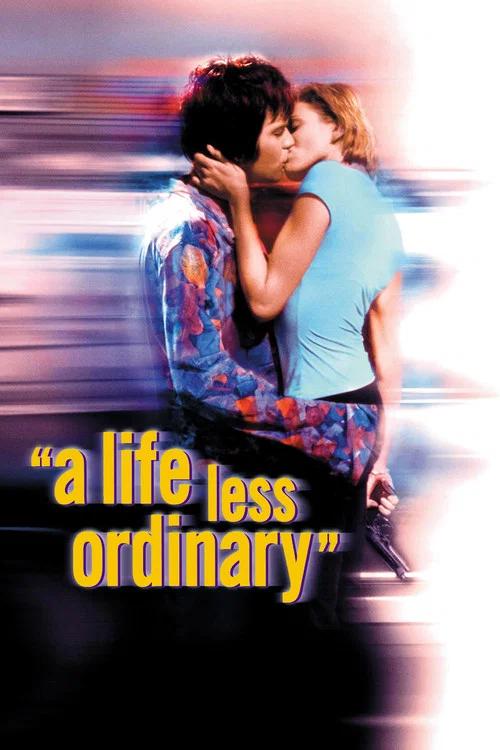
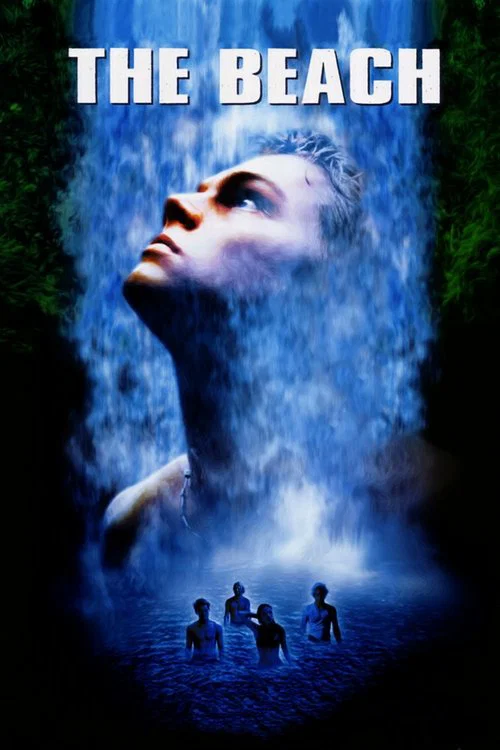
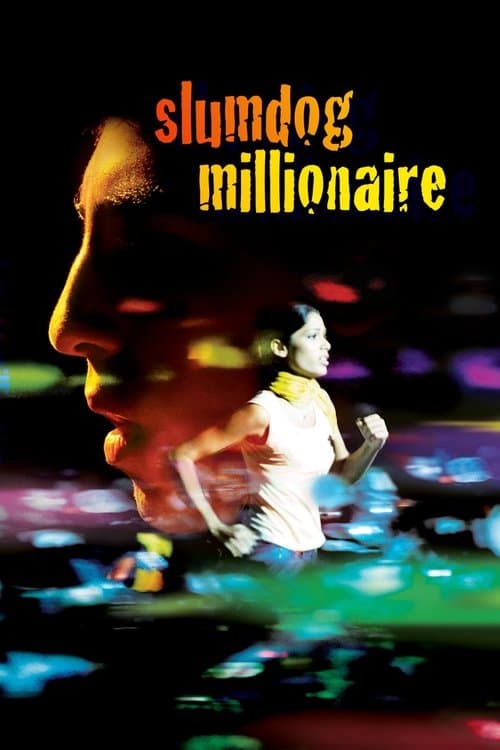
Danny Boyle directed Sunshine, released in 2007. CineCode also covers Shallow Grave (1994), Trainspotting (1996), A Life Less Ordinary (1997), The Beach (2000), 28 Days Later (2002), Slumdog Millionaire (2008).
What films are similar to Sunshine?
Films that share techniques with Sunshine include Blade Runner 2049 (2017), Promising Young Woman (2020), Parasite (2019), Her (2013).