Western · Mystery · Crime

The Hateful Eight

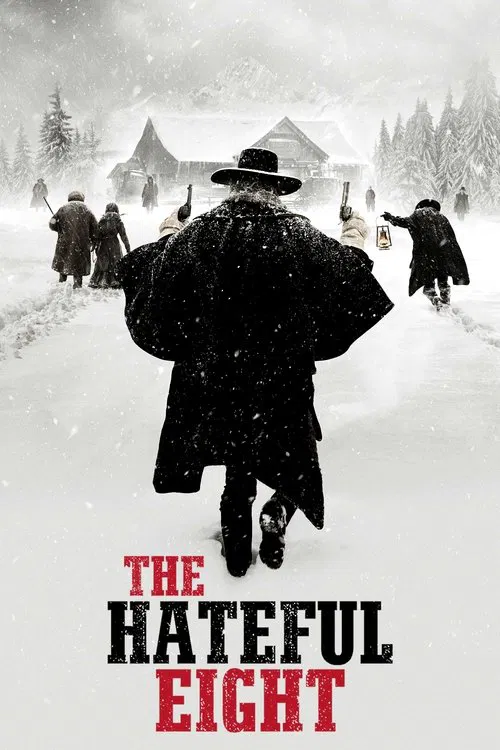
Quentin Tarantino, 2015

In a Wyoming blizzard, a bounty hunter hauling a prisoner to hang takes shelter at a mountain stop with several strangers. Not everyone is who they claim to be, and the coffee is poisoned. Worth watching as a filmmaker for how one cabin is filmed on giant 70mm film.

The Hateful Eight (2015) poster

At a glance

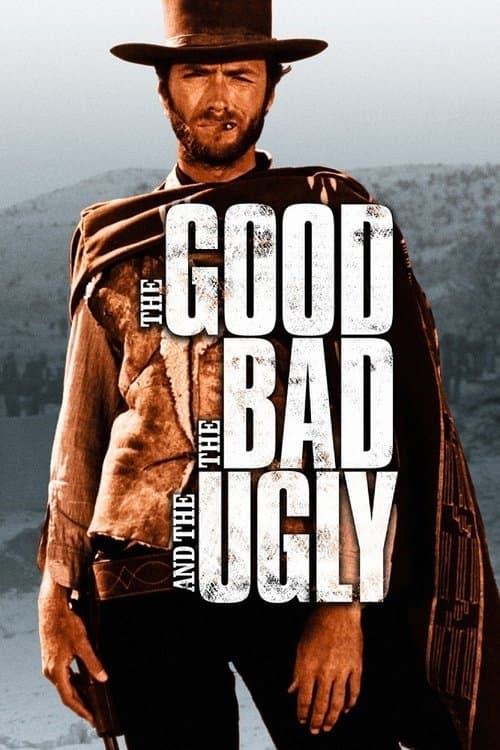
The Hateful Eight is a 2015 western, mystery and crime film directed by Quentin Tarantino. This breakdown covers 5 techniques (2 cinematography, 1 sound and 2 narrative), each with the scene where you can see it. If you like how it is made, The Good, the Bad and the Ugly uses several of the same techniques.

Cinematography

Single-Location Cinematography

Shooting almost the whole film in 1 confined place. Set design and camera movement keep it visually interesting, and the space itself takes on meaning as the story goes on.

How this film uses it

Most of the film is inside Minnie's Haberdashery. The set is crowded with people, stoves and doors, and the camera keeps finding new angles. The cabin stops being a shelter and becomes a trap.

Where to see it

Minnie's Haberdashery: The travelers enter to escape the blizzard and meet the strangers already there.
Cinematography

Anamorphic Scope Composition

Using the full width of a very wide 2.35:1 frame to set small human figures against huge, empty landscapes. All that empty space makes the characters look isolated and insignificant.

How this film uses it

The film was shot in a very wide format, Ultra Panavision 70 at 2.76 to 1. Outside, tiny figures are set against the white wilderness. Inside, the wide frame holds the whole room at once, so you can watch everyone's reaction at the same time.

Where to see it

Stagecoach ride: A coach carries bounty hunters and a prisoner through the snow.

Sound

Ennio Morricone Structural Score

Treating the score as part of the film's structure, sometimes writing it before the shoot and playing it on set. The acting, camera and editing are then shaped around the music.

How this film uses it

Ennio Morricone wrote the original score, his first full Western score in 34 years, and won an Oscar for it. The music is dark and heavy from the start. It sets the mood of dread before the characters speak.

Where to see it

Opening stagecoach ride: The score plays as the coach moves slowly through the blizzard.

Narrative

Retroactive Reframing Revelation

Saving a reveal for the climax that changes the meaning of every scene before it. You have to rebuild the whole film in your head with the new knowledge.

How this film uses it

A flashback shows that several of the men were already at the cabin and had killed the people there. Earlier scenes now mean something different, since you know who was lying. You have to rethink the poisoned coffee and each friendly exchange.

Where to see it

Minnie's flashback: You see that Bob, Mobray, Gage and Jody had arrived earlier and killed the store's occupants.

Narrative

Symbolic Object

Returning to the same physical object again and again until it means more than what it is. It moves the plot and also stands for the film's main ideas.

How this film uses it

Warren's letter from Abraham Lincoln keeps coming back. It turns out to be fake, but it still gives him leeway. It stands for how much people believe what they want to believe.

Where to see it

Lincoln letter: Warren shows the letter, Mannix concludes it is fake and Warren admits he forged it.

Questions

The Hateful Eight: quick answers

What filmmaking techniques does The Hateful Eight use?
CineCode breaks down 5 techniques in The Hateful Eight (2015): Single-Location Cinematography, Anamorphic Scope Composition, Ennio Morricone Structural Score, Retroactive Reframing Revelation and Symbolic Object.
Who directed The Hateful Eight?
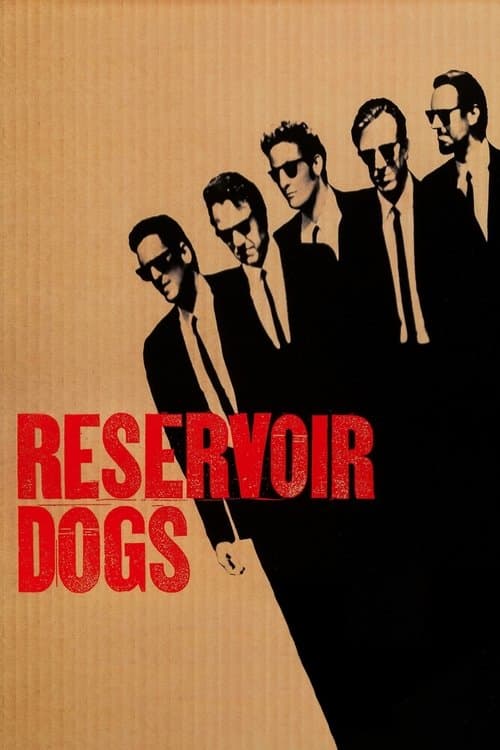
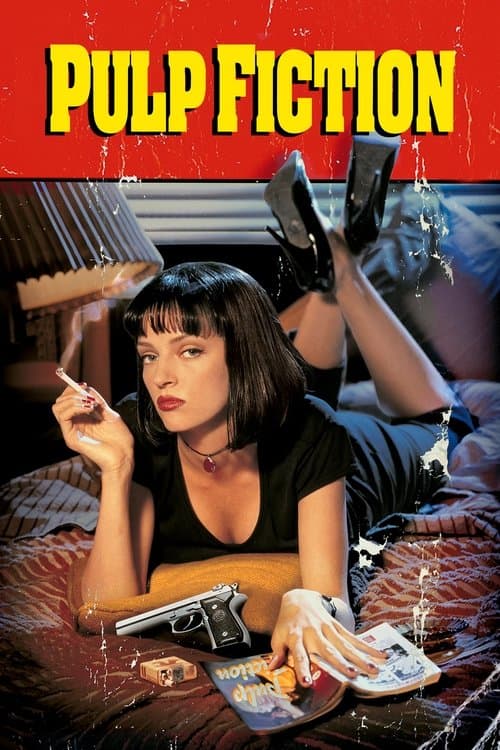
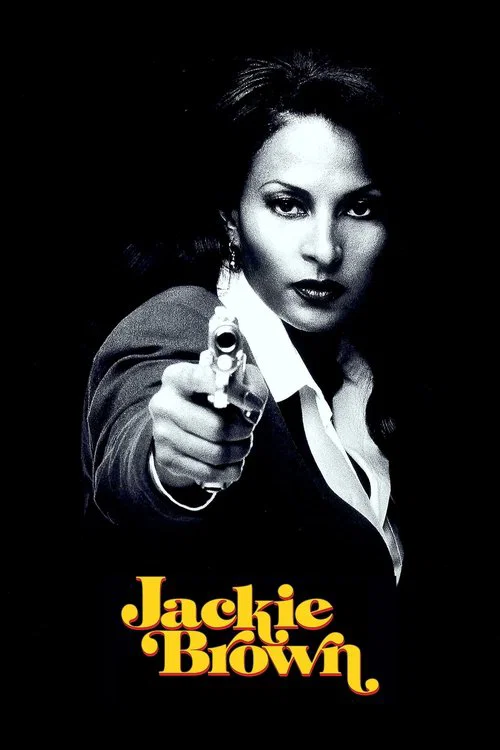
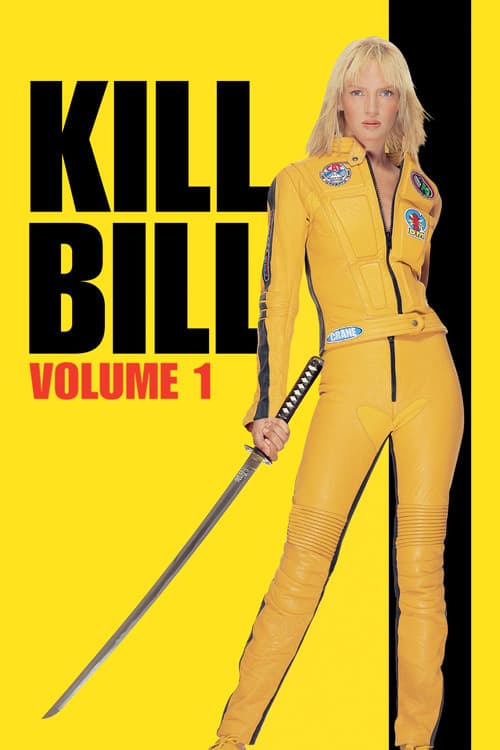
Quentin Tarantino directed The Hateful Eight, released in 2015. CineCode also covers Reservoir Dogs (1992), Pulp Fiction (1994), Jackie Brown (1997), Kill Bill: Volume 1 (2003), Kill Bill: Vol. 2 (2004), Death Proof (2007).
What films are similar to The Hateful Eight?
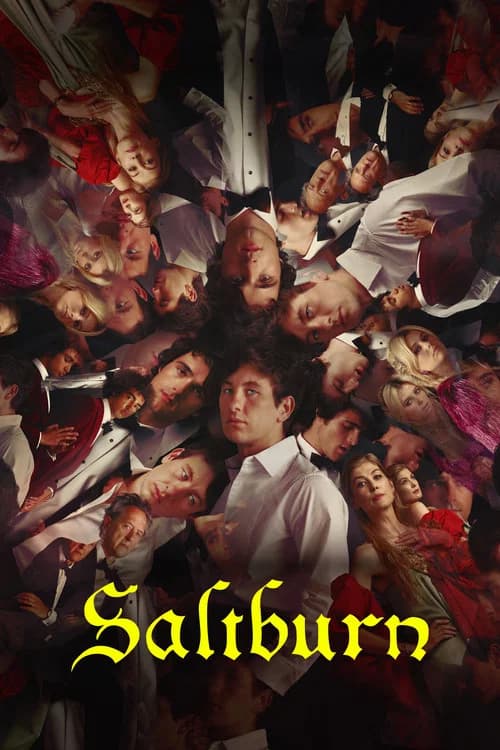
Films that share techniques with The Hateful Eight include The Good, the Bad and the Ugly (1966), Saltburn (2023), Cast Away (2000), Dial M for Murder (1954).