Drama · History

The Post

Steven Spielberg, 2017

In 1971, Washington Post publisher Katharine Graham and editor Ben Bradlee decide whether to publish the secret Pentagon Papers after the New York Times is blocked by a court. The risk is personal and legal. For filmmakers, watch how a newsroom drama makes paperwork feel urgent.

The Post (2017) poster

At a glance

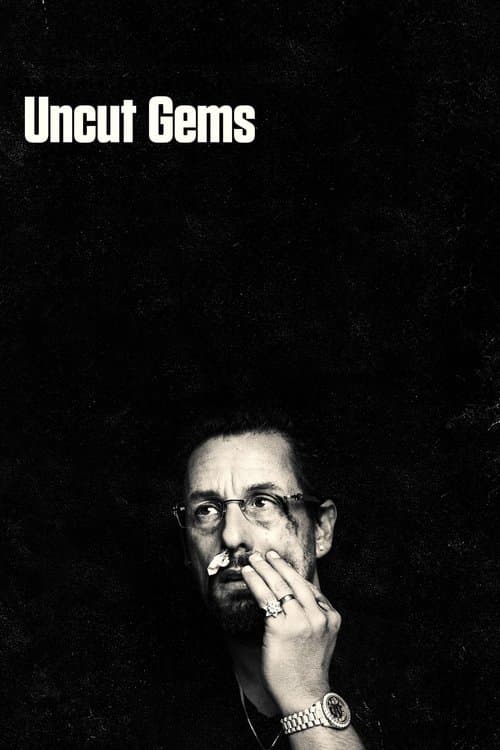
The Post is a 2017 drama and history film directed by Steven Spielberg. This breakdown covers 4 techniques (2 narrative, 1 sound and 1 cinematography), each with the scene where you can see it. If you like how it is made, Uncut Gems uses several of the same techniques.

Narrative

Ticking Clock Structure

Building the story around a clear deadline the hero must beat. The time pressure and the obstacles grow with each scene until the climax.

How this film uses it

The paper has to decide whether to publish before its deadline and while a court order hangs over it. Phone calls, meetings and drafts all push toward one decision. The time pressure makes simple office work feel dangerous.

Where to see it

The deadline: The editors and lawyers argue about publishing the Pentagon Papers as the presses are about to start.

Sound

Diegetic Sound Design

Using sounds the characters themselves can hear, like footsteps, radios or traffic, to build tension or show how someone feels. The sound does more than make the scene realistic.

How this film uses it

Typewriters, phones and the rumble of the printing press fill the film. The noise of work is the score of the newsroom. When the presses roll, the sound says the decision has become real.

Where to see it

The press run: Machines start up in the printing room and the first copies are made.

Narrative

Earned Catharsis

Building up to a big emotional release slowly, by investing in the characters and giving small bits of hope. When the release comes, it feels deserved after all the suffering.

How this film uses it

Katharine Graham begins as a hesitant publisher at a table of men. The film slowly shows her making up her mind. By the time she walks out of court, the payoff feels like something she has earned.

Where to see it

The courthouse steps: After the ruling, Graham leaves the building and passes a crowd of young women watching her.

Cinematography

Asymmetric Power Framing

Using camera angles and framing to show who has power. A low angle makes a character look bigger and a high angle makes them look small. The balance can shift between shots.

How this film uses it

Graham is often framed among men in suits who talk over her. The staging makes her look small in rooms where she holds the most power. When she finally decides, the framing changes.

Where to see it

The board meeting: Graham sits among male advisers who push her to avoid publishing.

Questions

The Post: quick answers

What filmmaking techniques does The Post use?
CineCode breaks down 4 techniques in The Post (2017): Ticking Clock Structure, Diegetic Sound Design, Earned Catharsis and Asymmetric Power Framing.
Who directed The Post?
Steven Spielberg directed The Post, released in 2017. CineCode also covers Duel (1971), Jaws (1975), Close Encounters of the Third Kind (1977), 1941 (1979), Raiders of the Lost Ark (1981), E.T. the Extra-Terrestrial (1982).
What films are similar to The Post?
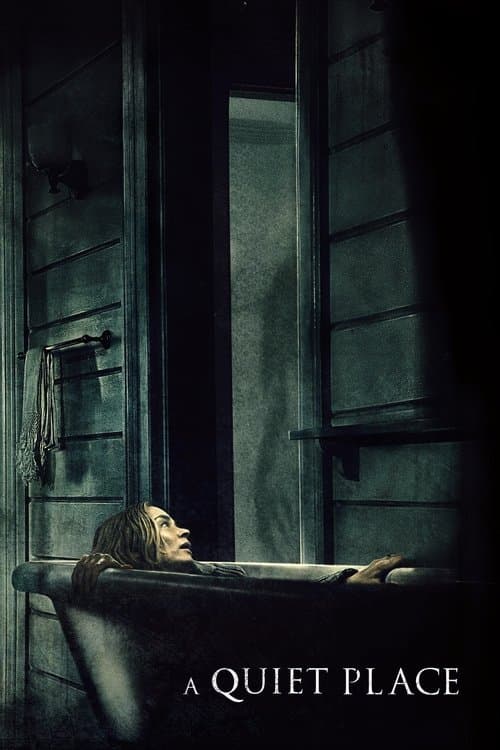
Films that share techniques with The Post include Uncut Gems (2019), Lost in Translation (2003), A Quiet Place (2018), Top Gun: Maverick (2022).