Drama · Thriller · History

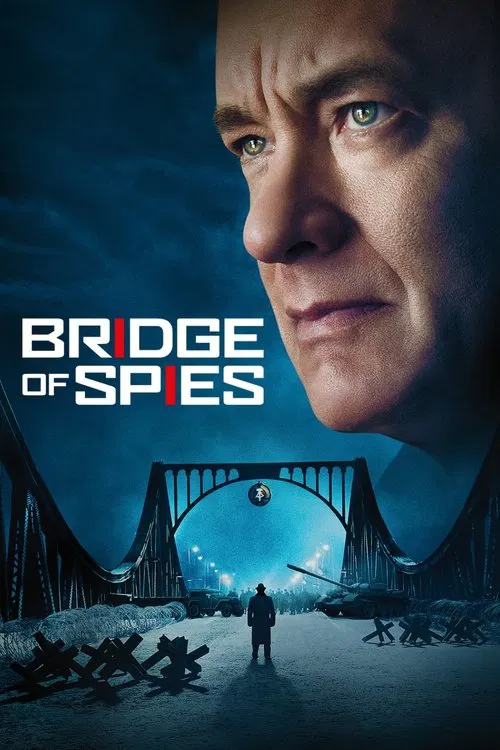
Bridge of Spies

Steven Spielberg, 2015

In the late 1950s, an insurance lawyer named James Donovan defends a Soviet spy, then is sent to Berlin to arrange a prisoner swap. The film follows him through courtrooms and a divided city. For filmmakers, watch how repeated details keep a quiet spy story moving.

Bridge of Spies (2015) poster

At a glance

Bridge of Spies is a 2015 drama, thriller and history film directed by Steven Spielberg. This breakdown covers 4 techniques (2 narrative, 1 editing and 1 psychology), each with the scene where you can see it. If you like how it is made, The Rainmaker uses several of the same techniques.

Narrative

Dialogue-Free Opening Act

Opening the film with a long stretch that has no dialogue. Images, sound and performance alone set up the characters, their world and what is at stake.

How this film uses it

The film opens with Rudolf Abel painting a self-portrait and then slipping away from agents. There is almost no talking. You learn he is patient, careful and used to being watched.

Where to see it

The opening: Abel paints in his apartment, then moves through New York while agents track him.
Narrative

Legal Theater

Staging a trial as a performance, with testimony and cross-examination played like theater. The rules can bring out the truth, or they can hide a verdict that was decided in advance.

How this film uses it

Donovan argues a case nobody wants him to win. The judge and public have already decided. He argues that even an accused enemy deserves a real defense.

Where to see it

The Supreme Court argument: Donovan tells the justices that Abel's ciphers and photography equipment were seized without a search warrant.

Editing

Callback Editing

Bringing back an earlier image, line, location or piece of staging later in the film, often with the situation reversed. You enjoy recognizing it, and the comparison adds meaning.

How this film uses it

Early on, Donovan sees from a train in Berlin as people are shot while trying to climb the wall. Near the end, from a train at home, he sees kids climbing a fence for fun. The repeated image shows how he now sees both places.

Where to see it

The fence: In Berlin, Donovan watches people shot at the wall, and later he sees kids casually climbing a fence in New York.

Psychology

Psychological Doubling

Pairing the main character with a second character who mirrors them. The double shows what the hero wants, fears or secretly is.

How this film uses it

Donovan and Abel are both steady, patient men who stay calm under pressure. The film sets them side by side until they feel like partners. One reading is that Abel's steady loyalty pushes Donovan to hold to his own principles.

Where to see it

The meeting: Donovan visits Abel in jail and the two talk like equals despite being on opposite sides.

Questions

Bridge of Spies: quick answers

What filmmaking techniques does Bridge of Spies use?
CineCode breaks down 4 techniques in Bridge of Spies (2015): Dialogue-Free Opening Act, Legal Theater, Callback Editing and Psychological Doubling.
Who directed Bridge of Spies?
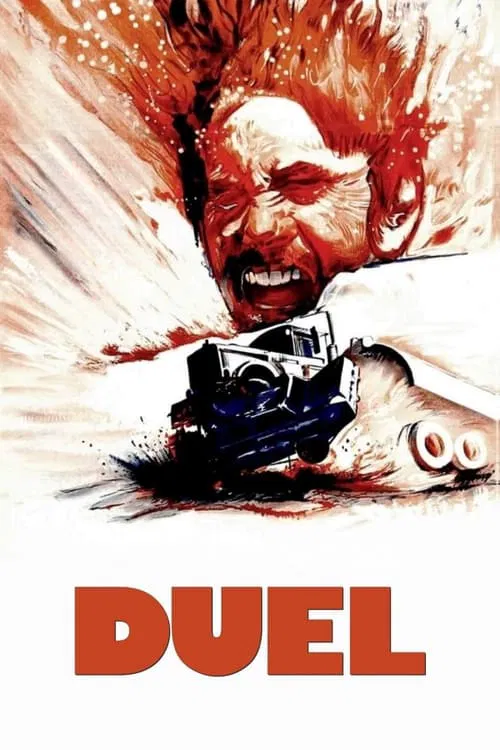
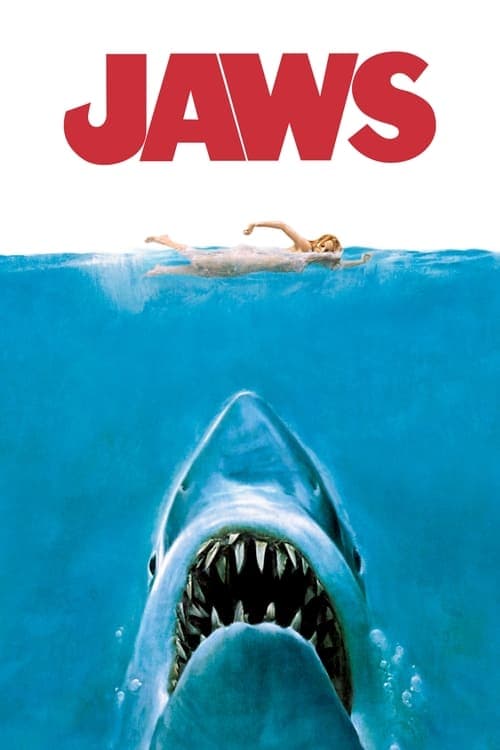
Steven Spielberg directed Bridge of Spies, released in 2015. CineCode also covers Duel (1971), Jaws (1975), Close Encounters of the Third Kind (1977), 1941 (1979), Raiders of the Lost Ark (1981), E.T. the Extra-Terrestrial (1982).
What films are similar to Bridge of Spies?
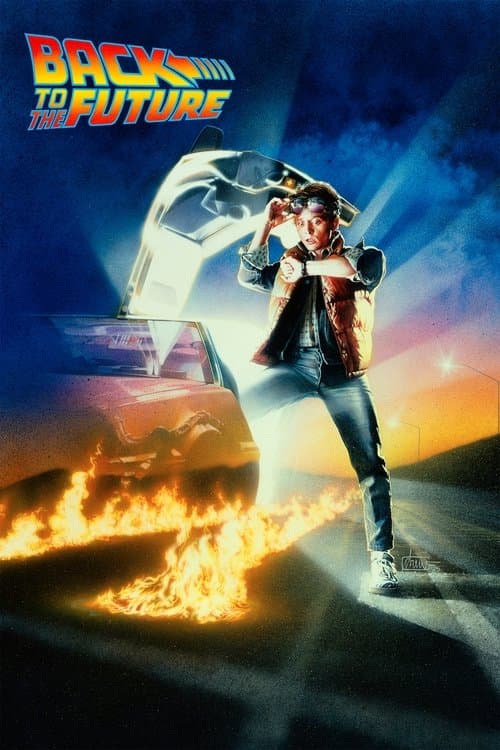
Films that share techniques with Bridge of Spies include The Rainmaker (1997), Intolerable Cruelty (2003), Black Swan (2010), Back to the Future (1985).