Horror · Thriller

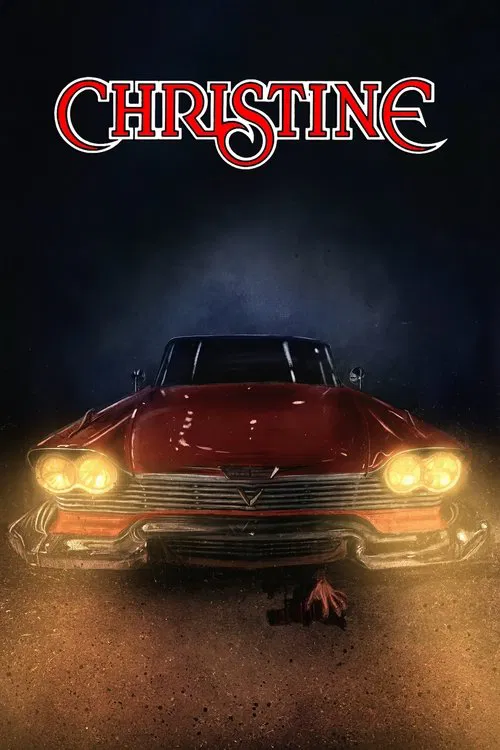
Christine

John Carpenter, 1983

Arnie is a bullied high school student who buys a rusty 1958 Plymouth Fury named Christine and starts to change. The car seems to love him, and it kills anyone who gets in the way. Worth watching for how Carpenter makes a car a jealous character with no face.

Christine (1983) poster

At a glance

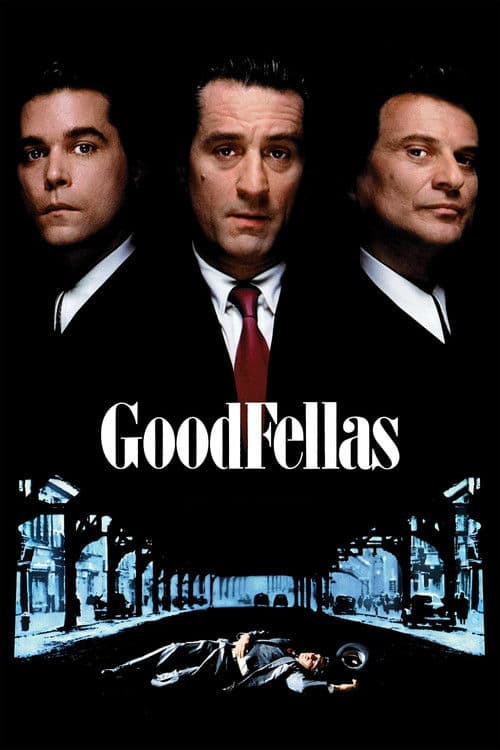
Christine is a 1983 horror and thriller film directed by John Carpenter. This breakdown covers 4 techniques (2 narrative, 1 sound and 1 psychology), each with the scene where you can see it. If you like how it is made, Goodfellas uses several of the same techniques.

Narrative

Object as Antagonist

Making a machine or object the main threat, with no face and no explained motive. You can't bargain with it or understand it, so the danger feels relentless.

How this film uses it

Christine never speaks and has no face, yet she acts like a jealous lover. She locks her doors, repairs herself and hunts the people who hurt her owner. You cannot bargain with a car, which makes her feel relentless.

Where to see it

The self-repair: after vandals wreck her, Christine repairs herself in front of Arnie. Over 2 evenings, the car goes after Buddy and his gang.
Sound

Pop Music Needle Drop

Playing an existing popular song at a precise moment in the film. The song's lyrics, era and associations add irony, period feel or emotion that an original score could not.

How this film uses it

Christine's radio plays 1950s rock and roll at key moments. The sweet old songs sit on top of threatening scenes, and they work as her voice. By the end, you hear a song and tense up.

Where to see it

The final song: as Arnie dies, Christine plays the song Pledging My Love on her radio. At the junkyard, a worker's boombox plays 1950s rock and roll, and it spooks Dennis and Leigh.

Psychology

Toxic Codependency

Showing two people bound together by mutual harm or guilt. They cannot leave and cannot heal, and the bond feeds on its own cruelty.

How this film uses it

Arnie and Christine feed on each other. The more he fixes her, the more arrogant and cruel he becomes, and the more she hurts for him. Neither can let go, even when it destroys everyone around them.

Where to see it

The drive-in: Leigh says she is jealous of Christine, and while alone in the car she nearly chokes on a hamburger. Christine locks her doors to keep Arnie from rescuing her.

Narrative

Self-Contained Prologue

Opening with a short separate sequence, such as a fable, origin scene or overture, that sets tone and theme before the main story begins.

How this film uses it

The film opens in 1957 on a Detroit assembly line, before any of the main characters appear. The car crushes a worker's hand and a second worker dies inside it. You know she is evil before Arnie ever sees her.

Where to see it

The assembly line: a newly built red Plymouth Fury slams its hood on a worker's hand. Another worker is later found dead in the car after dropping cigar ash on its seats.

Questions

Christine: quick answers

What filmmaking techniques does Christine use?
CineCode breaks down 4 techniques in Christine (1983): Object as Antagonist, Pop Music Needle Drop, Toxic Codependency and Self-Contained Prologue.
Who directed Christine?
John Carpenter directed Christine, released in 1983. CineCode also covers Halloween (1978), The Fog (1980), Escape from New York (1981), The Thing (1982), Big Trouble in Little China (1986), They Live (1988).
What films are similar to Christine?
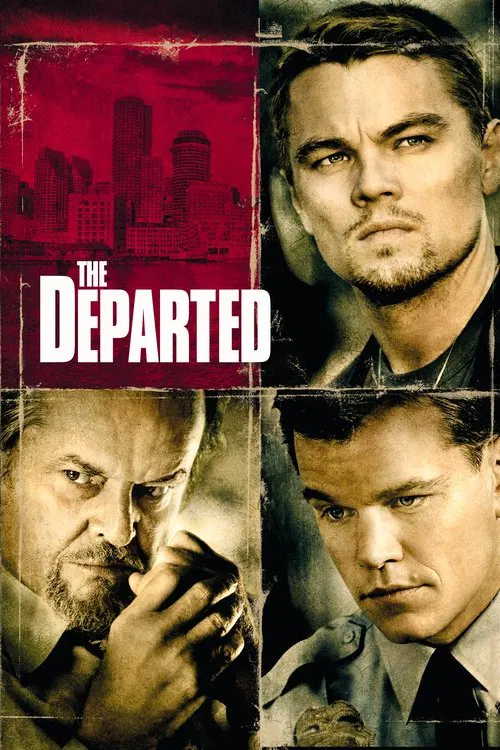
Films that share techniques with Christine include Goodfellas (1990), The Departed (2006), Raiders of the Lost Ark (1981), The Wolf of Wall Street (2013).