Comedy · Drama · Crime

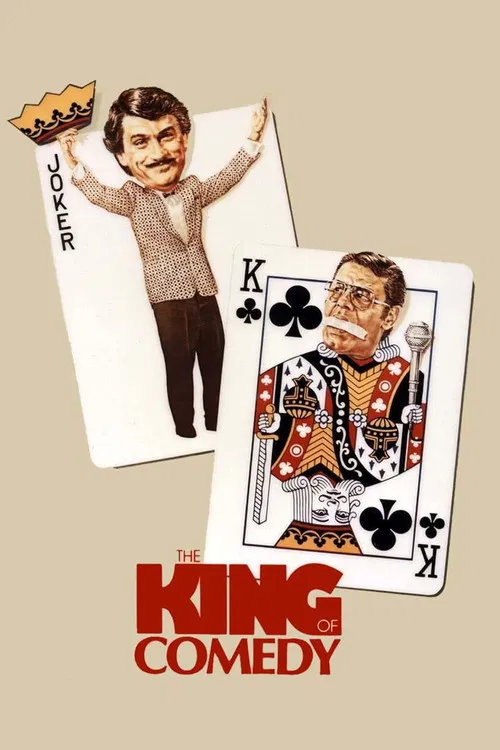
The King of Comedy

Martin Scorsese, 1982

Rupert Pupkin is a would-be stand-up comic who wants a spot on Jerry Langford's talk show and will not take no for an answer. When he gets nowhere, he kidnaps Langford. It is a painful comedy about wanting fame, and Scorsese plays it with a still, plain camera.

The King of Comedy (1982) poster

At a glance

The King of Comedy is a 1982 comedy, drama and crime film directed by Martin Scorsese. This breakdown covers 4 techniques (1 psychology, 2 narrative and 1 cinematography), each with the scene where you can see it. If you like how it is made, Poor Things uses several of the same techniques.

Psychology

Unreliable Reality

Keeping it unclear what is real and what is imagined in the film's world. You end up as unsure as the main character.

How this film uses it

Rupert lives half in fantasy. In his basement he talks to cutouts of stars, and the film cuts between his imagined talk with Jerry and the real one. By the end, you cannot tell if his fame is real or another daydream.

Where to see it

Rupert's basement: he talks to life-size cutouts, and the film cuts between the real talk and his imagined version.

Narrative

Obsession as Structural Engine

Building the whole plot on one character's fixation with a person, goal or rival. Every scene ties back to it, and the obsession keeps feeding itself while it destroys them.

How this film uses it

Every scene is Rupert getting closer to the show. He pushes at the staff, at Jerry, and finally takes Jerry hostage. The ransom is a spot on that night's broadcast, the one thing he has always wanted.

Where to see it

The kidnapping: Rupert and Masha take Langford to a Manhattan townhouse, and Rupert's price is the opening slot on the show.

Cinematography

Wide-Angle Observational Staging

Filming a scene in wide shots from a distance and refusing to cut to close-ups. You watch awkward or extreme behavior play out in full, like a witness.

How this film uses it

Scorsese wanted a rawer look inspired by early silent cinema, with more static shots and fewer close-ups. He cites Edwin S. Porter's Life of an American Fireman as an influence. Awkward scenes play out in full, without the camera helping you escape them.

Where to see it

The hostage scene in the townhouse: Rupert and Masha hold Langford, tied with tape, in a plain, still-camera setup.

Narrative

Comedy of Discomfort

Wringing laughs from awkward, humiliating or obstructive situations, so the audience squirms as characters fail to read or beat the system.

How this film uses it

Rupert turns up uninvited at Langford's country home with his date Rita. Jerry loses his temper and rejects his act, and the scene does not cut away. You feel the embarrassment long before Rupert does.

Where to see it

Langford's country house: Rupert arrives uninvited, Langford angrily dismisses his act, and Rita talks him into leaving.

Questions

The King of Comedy: quick answers

What filmmaking techniques does The King of Comedy use?
CineCode breaks down 4 techniques in The King of Comedy (1982): Unreliable Reality, Obsession as Structural Engine, Wide-Angle Observational Staging and Comedy of Discomfort.
Who directed The King of Comedy?
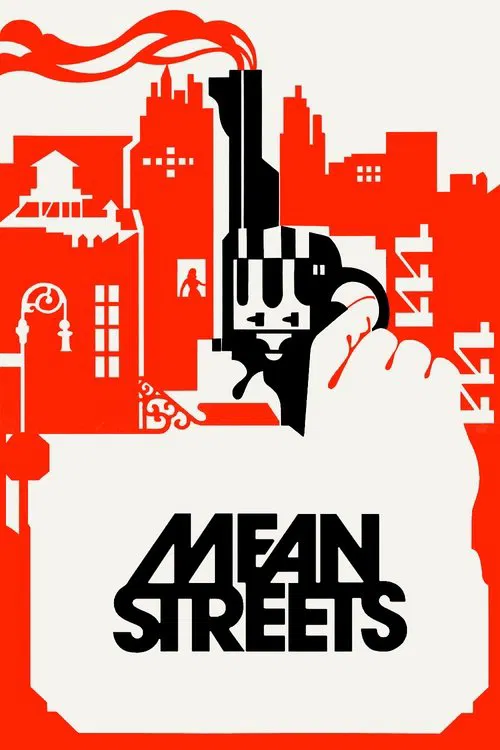
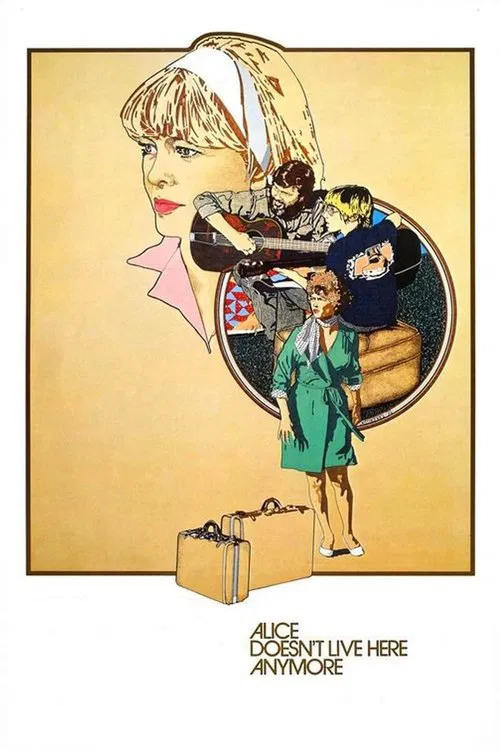
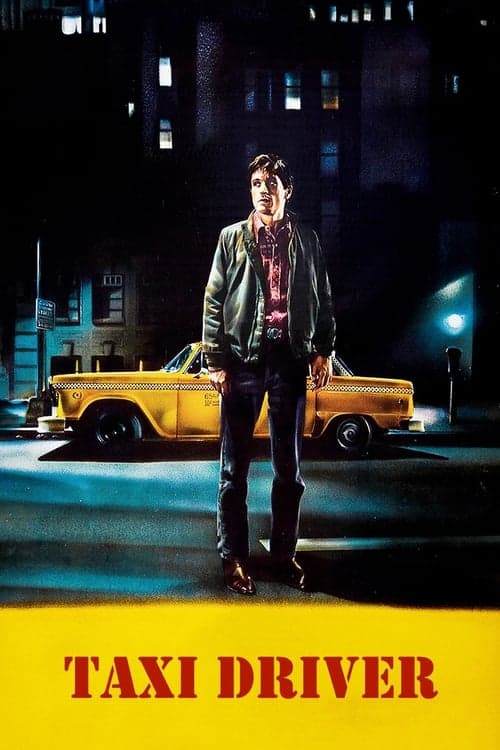
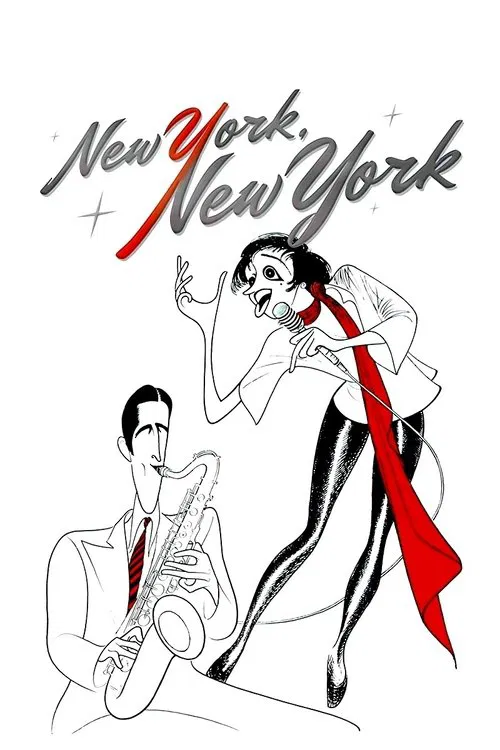
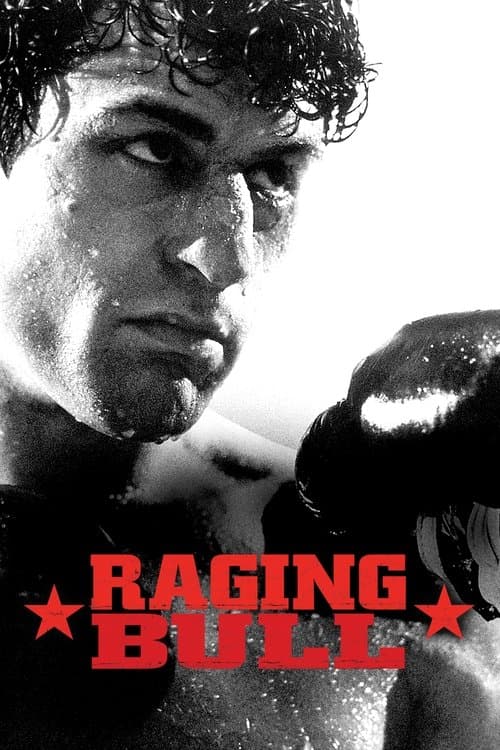
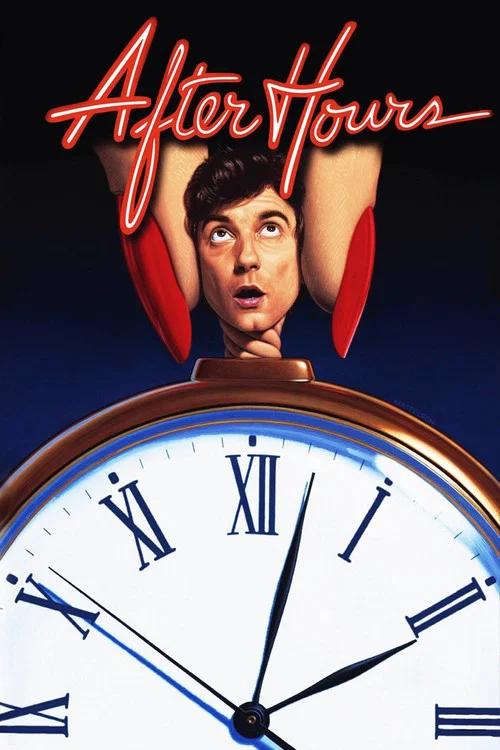
Martin Scorsese directed The King of Comedy, released in 1982. CineCode also covers Mean Streets (1973), Alice Doesn't Live Here Anymore (1974), Taxi Driver (1976), New York, New York (1977), Raging Bull (1980), After Hours (1985).
What films are similar to The King of Comedy?
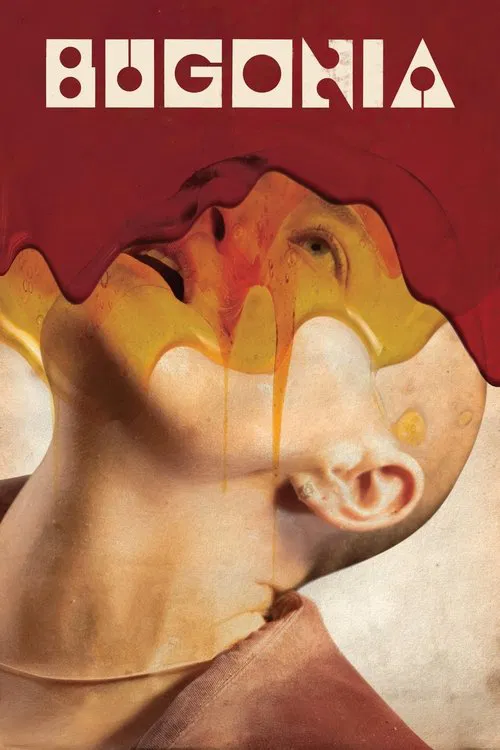
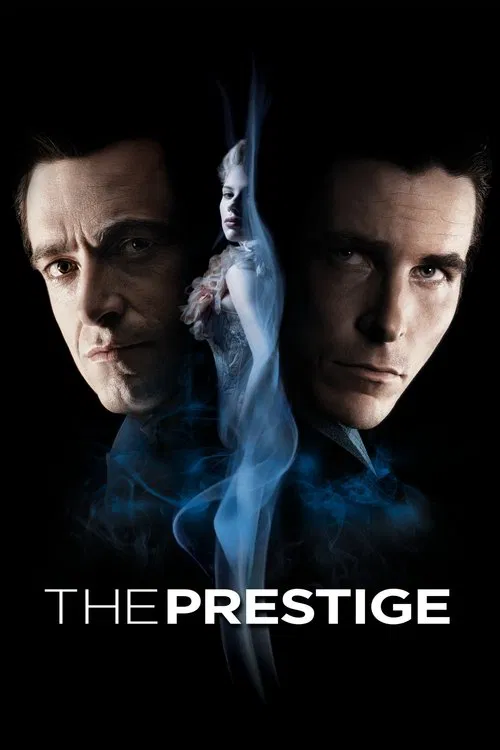
Films that share techniques with The King of Comedy include Poor Things (2023), Inception (2010), Bugonia (2025), The Prestige (2006).