Action · Adventure · Comedy

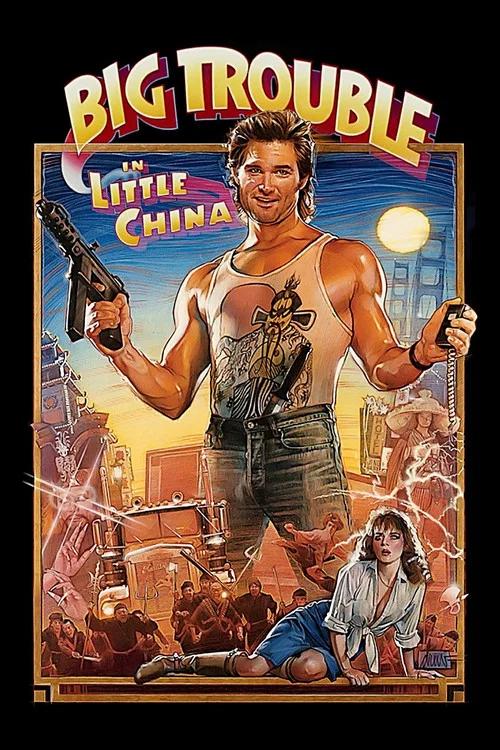
Big Trouble in Little China

John Carpenter, 1986

Truck driver Jack Burton helps his friend Wang Chi rescue his fiancée from kidnappers in San Francisco's Chinatown. They end up under the city, facing an ancient sorcerer named Lo Pan. Worth watching for how Carpenter mixes kung fu, magic and comedy while his hero keeps getting things wrong.

Big Trouble in Little China (1986) poster

At a glance

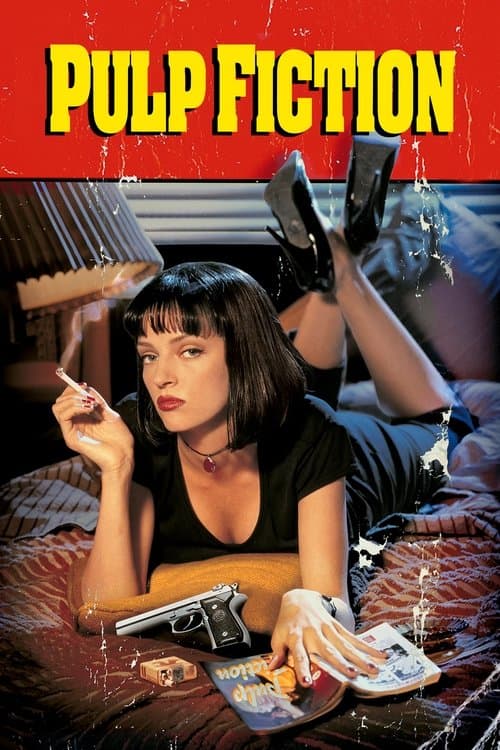
Big Trouble in Little China is a 1986 action, adventure and comedy film directed by John Carpenter. This breakdown covers 4 techniques (2 narrative, 1 cinematography and 1 sound), each with the scene where you can see it. If you like how it is made, Pulp Fiction uses several of the same techniques.

Narrative

Genre Collage

Mixing several genres in 1 film, such as crime, romance, horror and absurd comedy. The clash between them keeps you from settling into a single way of watching.

How this film uses it

The film mixes martial arts, a monster story, fantasy and buddy comedy in a single night. A truck driver's brawl becomes a battle between secret societies and then a trip into a magic underworld. The genres keep switching, so you never settle into one.

Where to see it

The funeral battle: Jack and Wang follow the kidnappers into Chinatown and run into a funeral procession. It erupts into a fight between 2 warrior societies, and 3 weather-themed warriors appear.
Narrative

Incompetent Hero Comedy

Casting the lead as a boastful fool who thinks he is the hero while someone more capable does the real work. The gap between his story and what you see is the joke.

How this film uses it

Jack narrates over his CB radio like a legend, but Wang Chi does most of the fighting. Jack mostly makes mistakes and then takes credit. The film works because Kurt Russell plays him with total confidence.

Where to see it

The final battle: Jack accidentally knocks himself out at the start of the fight. Wang meanwhile duels Rain with a sword.

Cinematography

Wire Work Action Choreography

Hanging performers on wires so they can fly, float and move in ways no body can, then erasing the wires digitally. The gravity-defying fights also express character and power.

How this film uses it

The fights have warriors who leap, glide and float, with swords flashing in the air. The wire-assisted movement lets the film borrow the feel of Hong Kong action movies. It also tells you at once who is magical and who is just a trucker.

Where to see it

Lo Pan's lair: Wang fights the weather-themed warriors, including a sword duel with Rain. Jack and the others fight their way through the lair.

Sound

Electronic Score

Scoring with synthesizers, club beats or electronic instruments. The texture can suggest a period, a mood or a character's inner state.

How this film uses it

Carpenter scored the film with Alan Howarth using synthesizers, and it has a driving, slightly cheesy pulse. A rock song performed by Carpenter's own band plays over the end. The sound fits a film that jokes about itself while still delivering the thrills.

Where to see it

The end credits: the theme song, performed by a band that includes Carpenter, plays as the film wraps up. It matches the film's playful tone.

Questions

Big Trouble in Little China: quick answers

What filmmaking techniques does Big Trouble in Little China use?
CineCode breaks down 4 techniques in Big Trouble in Little China (1986): Genre Collage, Incompetent Hero Comedy, Wire Work Action Choreography and Electronic Score.
Who directed Big Trouble in Little China?
John Carpenter directed Big Trouble in Little China, released in 1986. CineCode also covers Halloween (1978), The Fog (1980), Escape from New York (1981), The Thing (1982), Christine (1983), They Live (1988).
What films are similar to Big Trouble in Little China?
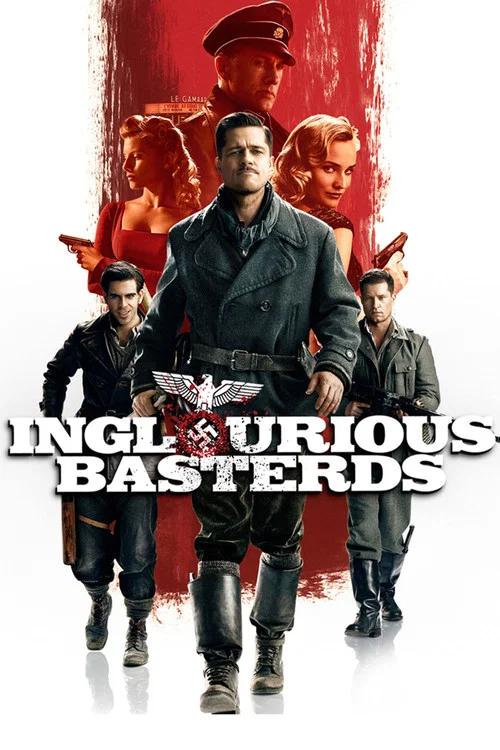
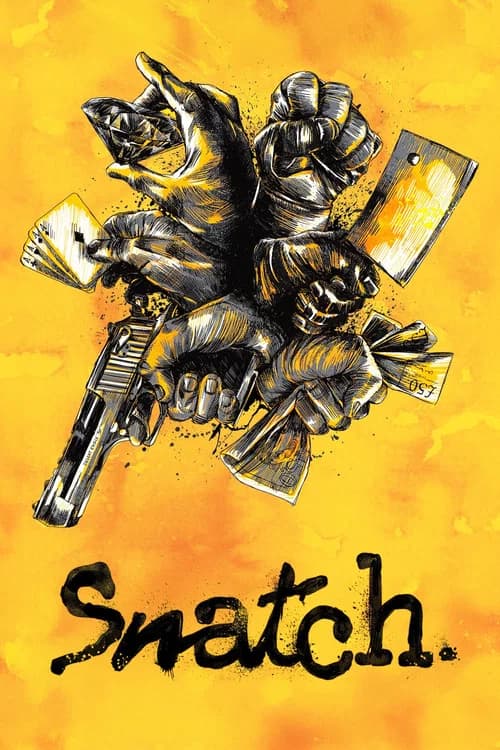
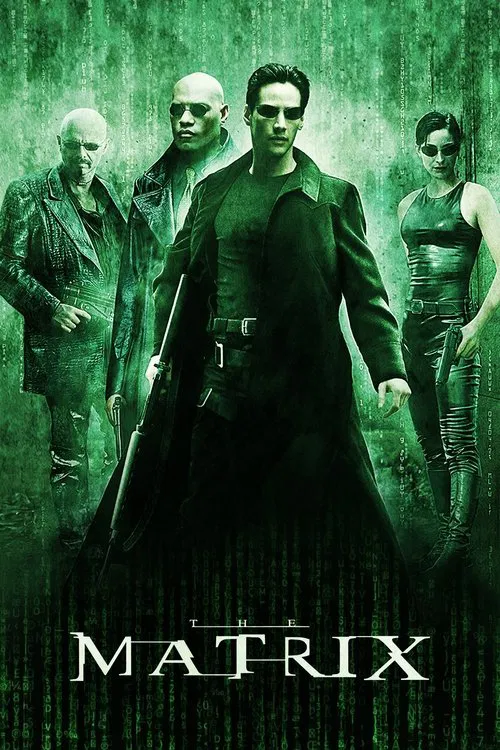
Films that share techniques with Big Trouble in Little China include Pulp Fiction (1994), The Matrix (1999), Inglourious Basterds (2009), Snatch (2000).