15 years after killing his sister on Halloween night, Michael Myers escapes a psychiatric hospital and returns to his hometown of Haddonfield, Illinois. There he stalks a teenage babysitter named Laurie Strode. Made for about $300,000, it set the template for the slasher film. Watch for how Carpenter frames empty space and lets you find the killer in it.
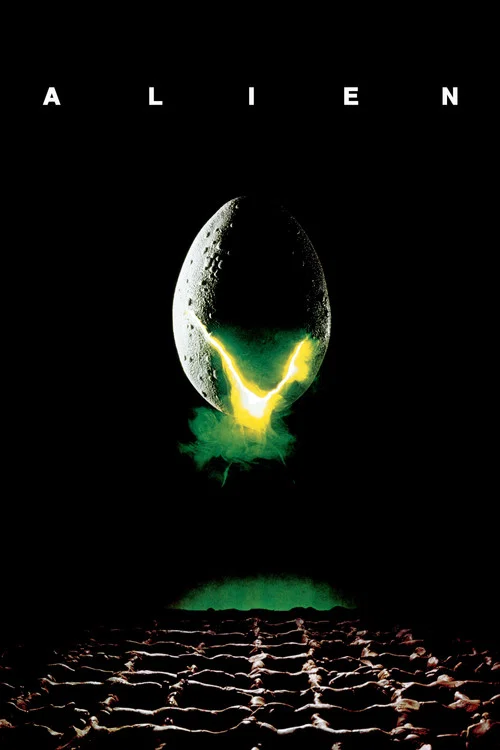
Halloween is a 1978 horror and thriller film directed by John Carpenter. This breakdown covers 4 techniques (1 cinematography, 2 sound and 1 narrative), each with the scene where you can see it. If you like how it is made, Alien uses several of the same techniques.
Placing the camera where a character's eyes are, or shooting the scene the way that character experiences it. You see and feel things from inside their head.
How this film uses it
The film opens inside the killer's head. You walk around the house, pick up a knife and climb the stairs through his eyes. Much of the film was shot on a Panaglide, a stabilizing rig like a Steadicam, which lets the camera prowl smoothly. Only after the murder does the film show you the killer is a 6-year-old boy.
Where to see it
The 1963 opening. Young Michael puts on a clown mask, and you see his sister through its eyeholes as he stabs her. His parents arrive and pull the mask off.
Keeping a threat or character mostly out of view and suggesting it through sound, movement at the edge of the frame and other people's reactions. Your imagination makes it scarier than anything shown.
How this film uses it
Michael keeps showing up at the edges of Laurie's day. He stands in the background, half hidden, and he is gone the next time she looks. You start scanning every hedge and doorway for him, which makes the quiet parts scary.
Where to see it
The walk home from school. Laurie sees a man in a white mask standing behind a hedge. Her friend Annie checks, and there is nobody there.
Repeating a short piece of music or a sound every time a certain character, idea or feeling comes up. You learn to connect the 2.
How this film uses it
Carpenter wrote the score himself on piano in an odd 5/4 rhythm, which feels slightly off balance. The main theme comes back whenever Michael is near. Soon the music alone tells you he is watching.
Where to see it
The opening credits. A jack-o'-lantern slowly fills the screen while the piano theme plays for the first time.
Spending a long time on normal life, character and atmosphere before any real threat arrives. Dread builds bit by bit, so the climax feels inevitable and devastating when it comes.
How this film uses it
Most of the film is an ordinary Halloween for Laurie: school, walking home, babysitting and phone calls with friends. Michael watches the whole time, but the killing of the teenagers doesn't start until night falls. By then, you have been waiting for it for most of the film.
Where to see it
Laurie's babysitting night. She carves a jack-o'-lantern and watches movies with Tommy, while across the street Michael moves through the house where her friends are.
Questions
Halloween: quick answers
What filmmaking techniques does Halloween use?
CineCode breaks down 4 techniques in Halloween (1978): Subjective Camera, Off-Screen Presence, Leitmotif and Slow Burn Horror Pacing.
Who directed Halloween?
John Carpenter directed Halloween, released in 1978. CineCode also covers The Fog (1980), Escape from New York (1981), The Thing (1982), Christine (1983), Big Trouble in Little China (1986), They Live (1988).
What films are similar to Halloween?
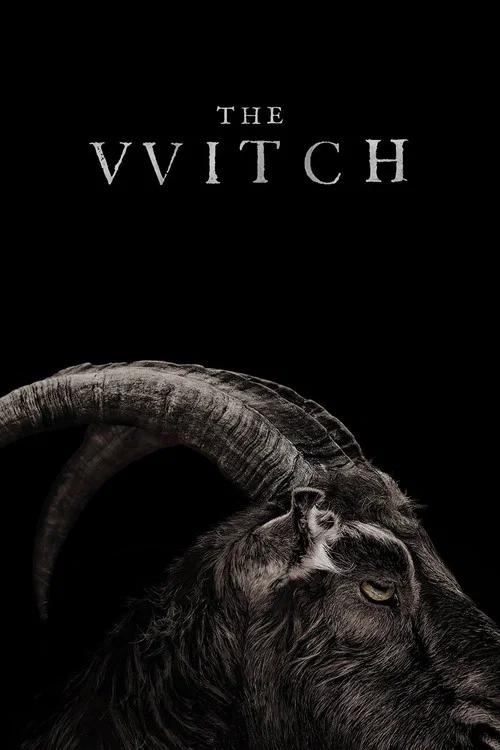
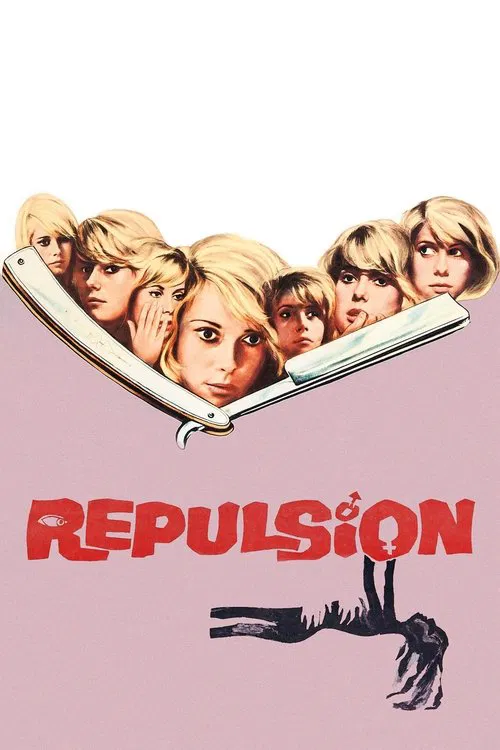
Films that share techniques with Halloween include Alien (1979), The Witch (2015), Repulsion (1965), Predator (1987).