Science Fiction · Action

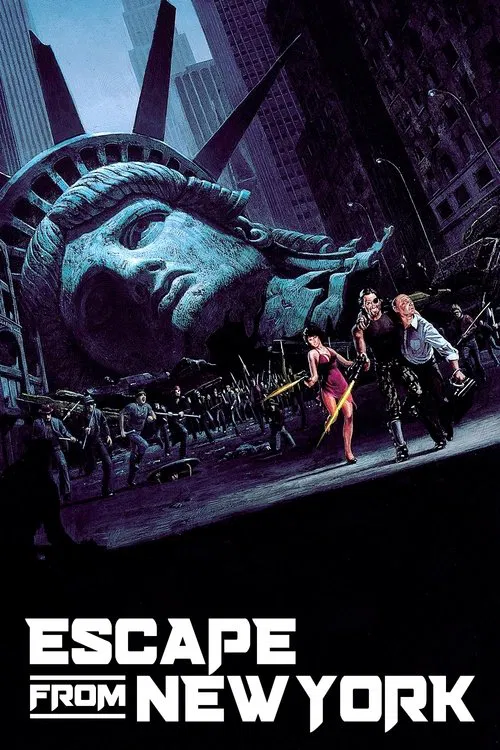
Escape from New York

John Carpenter, 1981

In a future where Manhattan is a walled maximum-security prison, the President's escape pod crashes inside. A convicted ex-soldier named Snake Plissken has less than a day to bring him out. Worth watching for how Carpenter builds a grimy future on a small budget and a squinting, silent hero.

Escape from New York (1981) poster

At a glance

Escape from New York is a 1981 science fiction and action film directed by John Carpenter. This breakdown covers 5 techniques (2 narrative, 2 cinematography and 1 psychology), each with the scene where you can see it. If you like how it is made, North by Northwest uses several of the same techniques.

Narrative

Ticking Clock Structure

Building the story around a clear deadline the hero must beat. The time pressure and the obstacles grow with each scene until the climax.

How this film uses it

Snake is injected with explosives that will kill him in 23 hours unless the President is back for the summit. Every delay and every ambush costs time, and the deadline makes each scene feel more urgent. You keep counting along.

Where to see it

The deal: Commissioner Hauk offers Snake a pardon if he rescues the President. To make sure Snake complies, Hauk has him injected with micro-explosives.
Cinematography

Used Universe Aesthetic

Designing a science fiction world that looks worn, dirty, rusty and patched up. The wear tells you this world had a long history before the story started.

How this film uses it

Manhattan is dark, rubble-strewn and dirty. Cars are wrecked, power is out and the gangs live in what is left. The wear tells you the city had a long life before it became a prison.

Where to see it

The trip across the island: Snake lands on top of the World Trade Center and moves through the ruined streets toward the Duke's hideout in Grand Central Terminal.

Cinematography

Location Stand-In

Shooting a scene in one place and dressing it to pass for another, such as a stadium that stands in for an embassy. You accept the fiction as long as the details look right.

How this film uses it

Much of the film was shot in a decaying American city made to pass for New York. Burned-out blocks, empty lots and dressed streets turn into the walled Manhattan. You accept it because the details fit.

Where to see it

The streets of the prison island: Snake follows the President's tracker through dark, empty streets and a vaudeville theater.

Narrative

The MacGuffin

Giving the characters an object, secret or goal that everyone chases. What it actually is barely matters, because its job is to set the characters against each other.

How this film uses it

Everyone chases a cassette tape said to contain a plan for nuclear fusion. What matters is that the characters fight over it, and that the President will use it at the peace summit. The film never lets you hear what is really on it.

Where to see it

The final trick: the President plays the tape for the summit and it plays only Cabbie's favorite song, Bandstand Boogie. Snake had the real one.

Psychology

Opaque Protagonist

Writing a lead whose real motives stay hidden, even from the people closest to him. You judge him only by his actions, and some of them surprise you.

How this film uses it

Snake barely speaks, never explains himself and keeps his plans to himself. You learn who he is by what he does, and the ending shows he has no loyalty to anyone in power. He is hard to read, which makes him magnetic.

Where to see it

The ending: after the President thanks him only in passing, Snake walks away in disgust. He pulls the real cassette from his pocket and destroys it.

Questions

Escape from New York: quick answers

What filmmaking techniques does Escape from New York use?
CineCode breaks down 5 techniques in Escape from New York (1981): Ticking Clock Structure, Used Universe Aesthetic, Location Stand-In, The MacGuffin and Opaque Protagonist.
Who directed Escape from New York?
John Carpenter directed Escape from New York, released in 1981. CineCode also covers Halloween (1978), The Fog (1980), The Thing (1982), Christine (1983), Big Trouble in Little China (1986), They Live (1988).
What films are similar to Escape from New York?
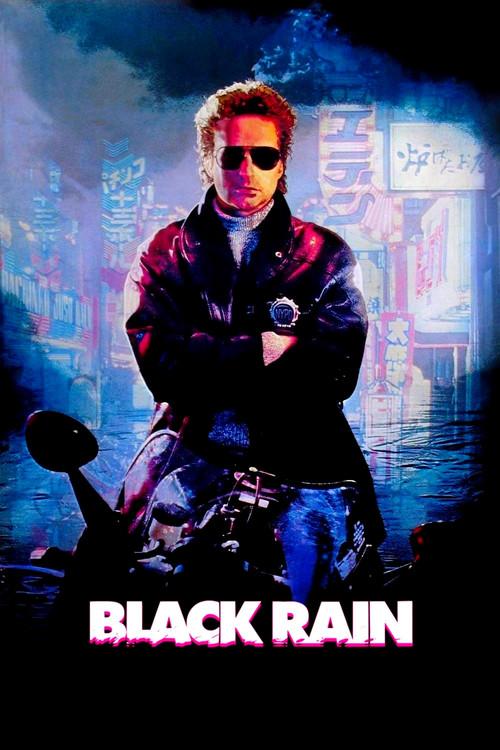
Films that share techniques with Escape from New York include North by Northwest (1959), Black Rain (1989), Escape from L.A. (1996), Inception (2010).