Horror · Mystery

The Fog

John Carpenter, 1980

On the 100th birthday of a California coastal town, a strange glowing fog rolls in, carrying the ghosts of sailors who were wronged a century ago. The revenants want 6 lives. Worth watching for how Carpenter builds dread from a simple weather effect and a lone radio voice.

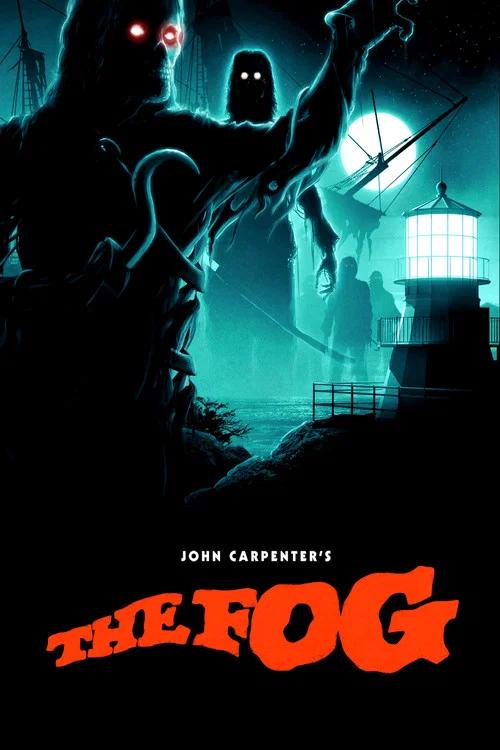
The Fog (1980) poster

At a glance

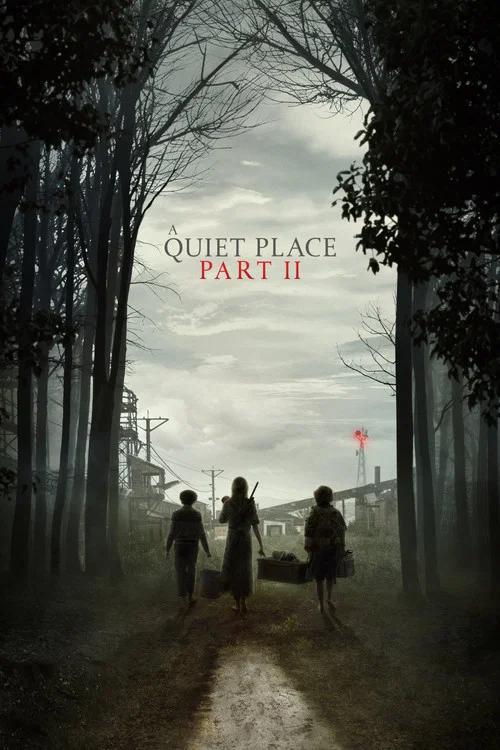
The Fog is a 1980 horror and mystery film directed by John Carpenter. This breakdown covers 4 techniques (2 narrative, 1 cinematography and 1 sound), each with the scene where you can see it. If you like how it is made, A Quiet Place Part II uses several of the same techniques.

Narrative

Self-Contained Prologue

Opening with a short separate sequence, such as a fable, origin scene or overture, that sets tone and theme before the main story begins.

How this film uses it

An old man tells ghost stories to children around a campfire on the beach. He tells of a clipper ship lost in an unearthly fog, then finishes as midnight strikes. The little story sets the rules before the film begins.

Where to see it

The campfire: old Mr. Machen tells children about a ship that crashed on the rocks after mistaking a campfire for a lighthouse. He finishes at midnight, and strange things begin to happen.
Cinematography

Ghost Presentation

Showing ghosts through design and staging, such as visible wounds or blocking that places them among the living unseen. The look explains their death and their isolation.

How this film uses it

The ghosts arrive inside a glowing fog, as dark figures on a ghostly ship. The fog hides them until they are on top of their victims. The look ties them to the sea and tells you they have waited a long time.

Where to see it

The trawler: a glowing fog envelops a fishing boat. The ghosts of Blake and his crew kill the 3 fishermen aboard.

Sound

Sound as Plot Device

Making a sound, voice or call drive the story itself. A phone line, a mimicked noise or a spliced recording changes what characters do or believe.

How this film uses it

A voice from nowhere speaks through Stevie's cassette player and through her radio broadcasts. The message that 6 must die enters the story as sound. Her radio voice also guides the town through the attack.

Where to see it

The driftwood: at the lighthouse radio station, Stevie hears a man's voice on her cassette vowing revenge. The words 6 must die appear on the driftwood, which bursts into flames.

Narrative

Revenge Consequences

Tracing revenge across its aftermath, showing how vengeance repeats or leaves the avenger empty instead of delivering satisfaction.

How this film uses it

The ghosts come to take 6 lives to match the 6 founders who wrecked their ship. The town's history of greed comes due, and the film follows its cost. Even after the fog lifts, someone still pays.

Where to see it

The church: Father Malone offers the gold and himself to spare the others. Later, the fog returns and Blake kills Malone.

Questions

The Fog: quick answers

What filmmaking techniques does The Fog use?
CineCode breaks down 4 techniques in The Fog (1980): Self-Contained Prologue, Ghost Presentation, Sound as Plot Device and Revenge Consequences.
Who directed The Fog?
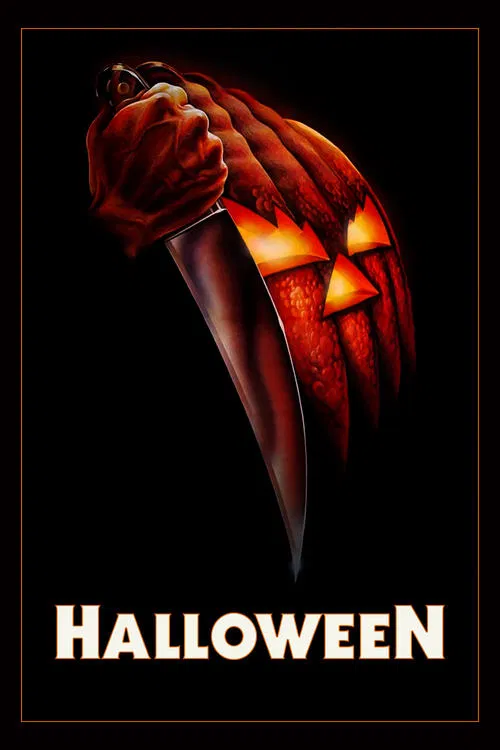
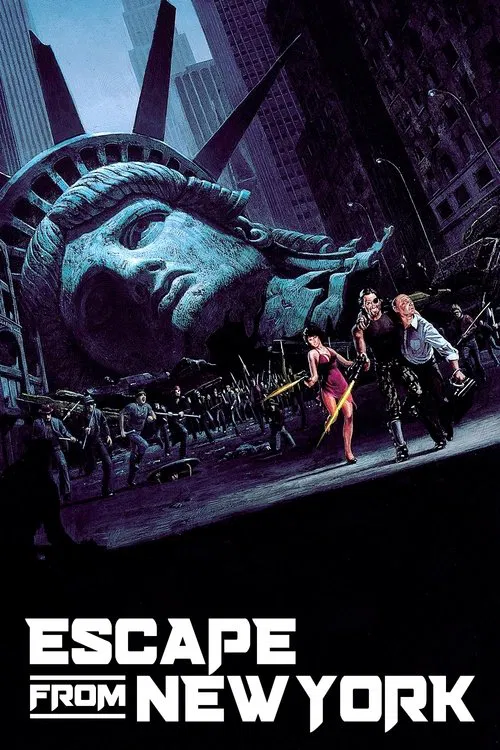
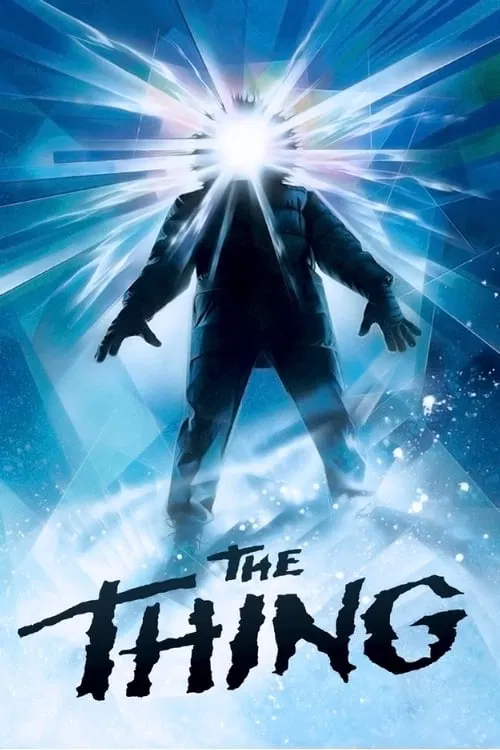
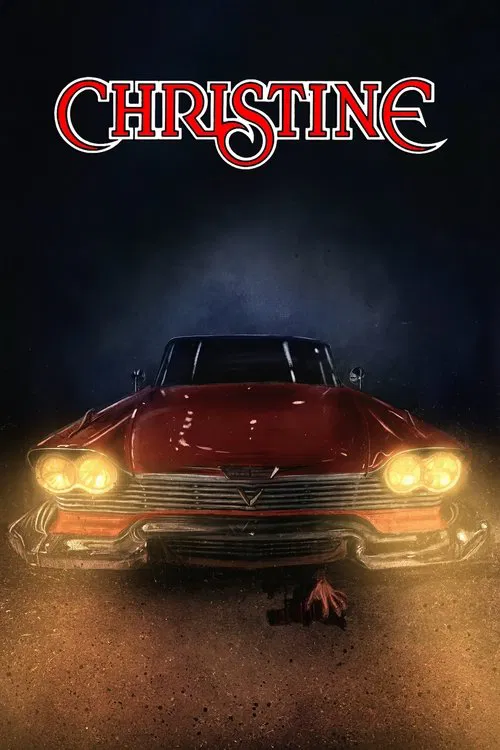
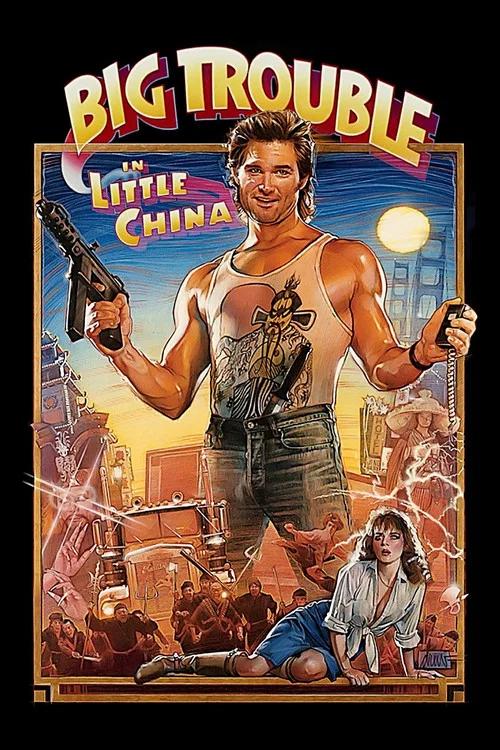
John Carpenter directed The Fog, released in 1980. CineCode also covers Halloween (1978), Escape from New York (1981), The Thing (1982), Christine (1983), Big Trouble in Little China (1986), They Live (1988).
What films are similar to The Fog?
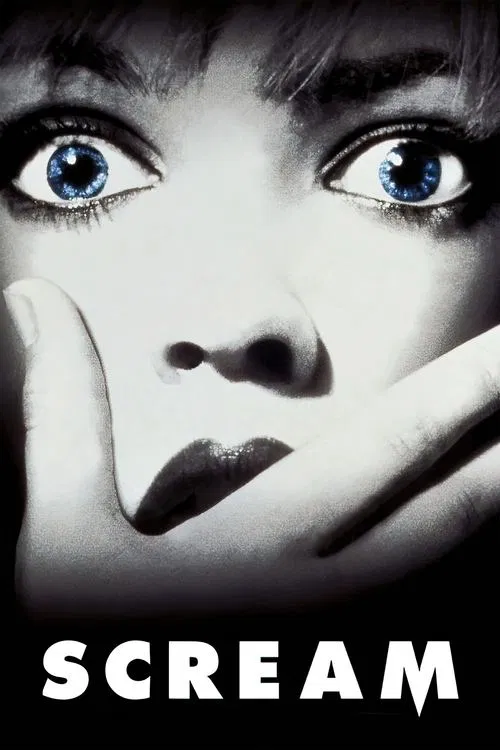
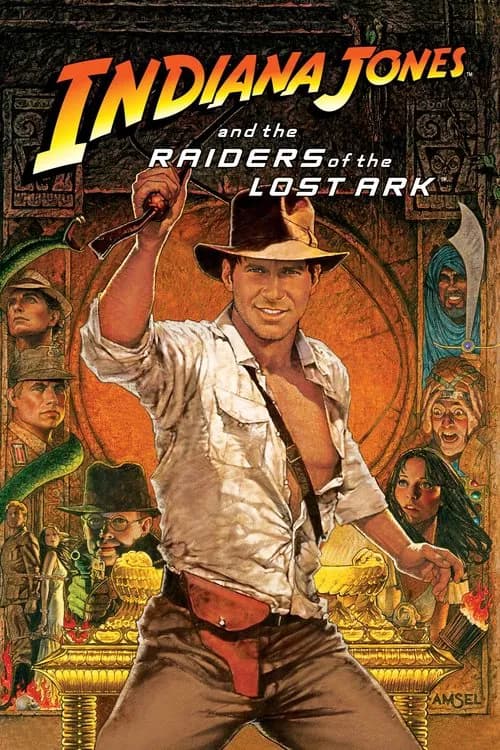
Films that share techniques with The Fog include A Quiet Place Part II (2021), Raiders of the Lost Ark (1981), Scream (1996), Dune (1984).