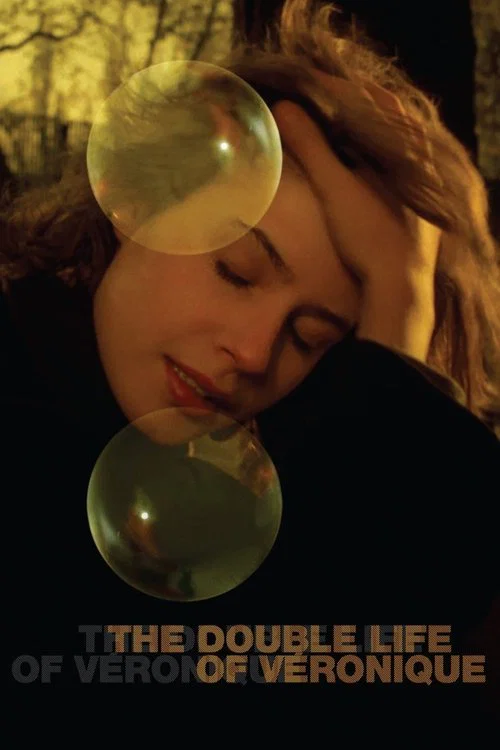
Weronika, a singer in Poland, and Véronique, a music teacher in France, look identical and have never met. Each feels the other's presence in strange ways, and one dies young. Worth watching for how Kieslowski builds a ghost story from color, music and the feeling of being watched.
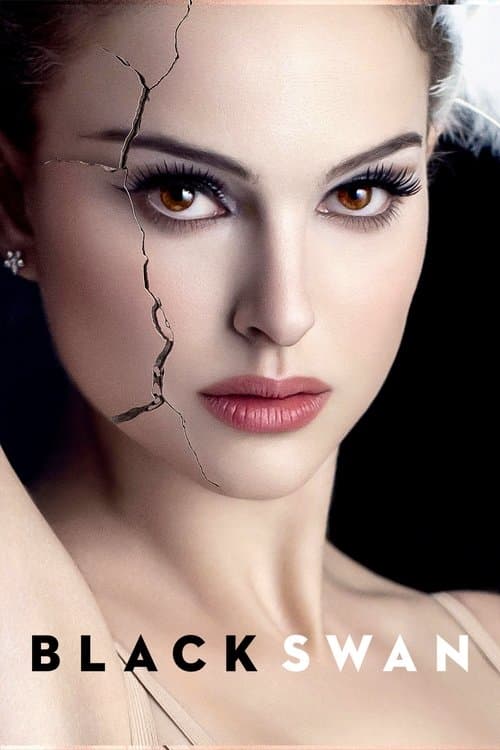
The Double Life of Véronique is a 1991 drama, fantasy and mystery film directed by Krzysztof Kieślowski. This breakdown covers 4 techniques (1 psychology, 1 sound, 1 cinematography and 1 narrative), each with the scene where you can see it. If you like how it is made, Black Swan uses several of the same techniques.
Pairing the main character with a second character who mirrors them. The double shows what the hero wants, fears or secretly is.
How this film uses it
Irène Jacob plays both women, so you see the same face living 2 separate lives. Neither knows the other is real, yet each feels half of something is missing. The double here is a haunting, and it makes you wonder about your own other self.
Where to see it
The photograph: in a Paris hotel, Véronique looks again at her photos from a trip to Poland. She spots a woman who looks exactly like her, the one who watched from the bus, and she weeps.
Repeating a short piece of music or a sound every time a certain character, idea or feeling comes up. You learn to connect the 2.
How this film uses it
A piece of music by the film's invented 18th-century composer Van den Budenmayer ties the 2 women together. You hear it when Weronika sings, when Véronique teaches and in the clues she follows. The tune becomes a way to know they are linked before anyone says so.
Where to see it
The marionette show: Véronique leads her students in a piece by Van den Budenmayer. It is the same music Weronika sang right before she died.
Tinting the image in warm amber, gold or orange. Depending on the film, the glow can feel nostalgic and old-world or sickly, as if home comforts are under threat.
How this film uses it
The picture has a golden-yellow tint that makes both women's worlds feel warm and slightly unreal. It looks like a memory, or like seeing the world through old glass. That gentle haze fits a story about feelings you cannot explain.
Where to see it
Weronika's walk through Kraków's Main Square: she moves through a golden-toned street and notices a French tourist who looks exactly like her. The tourist photographs the square and boards a bus.
Returning to the same physical object again and again until it means more than what it is. It moves the plot and also stands for the film's main ideas.
How this film uses it
Marionettes keep coming back, from a school puppet show to the puppeteer who signals to Véronique at a traffic light. They stand for how a life can be moved by strings you cannot see. The idea is clear before the plot explains it.
Where to see it
The puppet workshop: Véronique visits Alexandre and sees 2 marionettes that look like her. He tells her he needs a second one as a backup in case the first gets damaged.
Questions
The Double Life of Véronique: quick answers
What filmmaking techniques does The Double Life of Véronique use?
CineCode breaks down 4 techniques in The Double Life of Véronique (1991): Psychological Doubling, Leitmotif, Amber Color Grading and Symbolic Object.
Who directed The Double Life of Véronique?
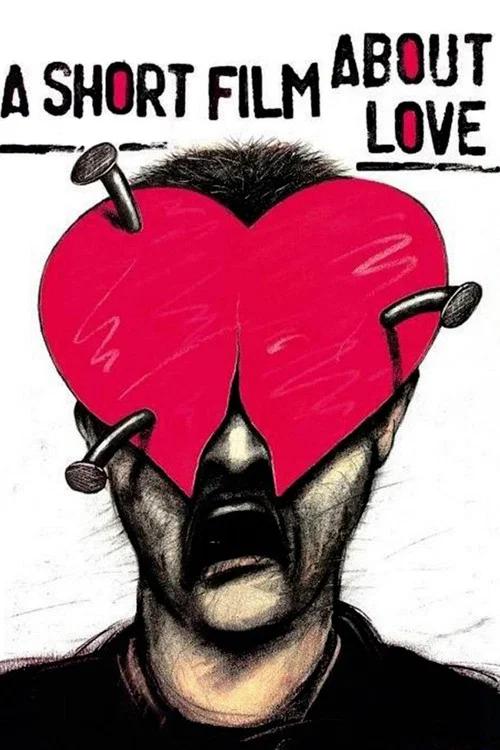
Krzysztof Kieślowski directed The Double Life of Véronique, released in 1991. CineCode also covers A Short Film About Love (1988), A Short Film About Killing (1988), Three Colors: Blue (1993), Three Colors: Red (1994), Three Colors: White (1994).
What films are similar to The Double Life of Véronique?
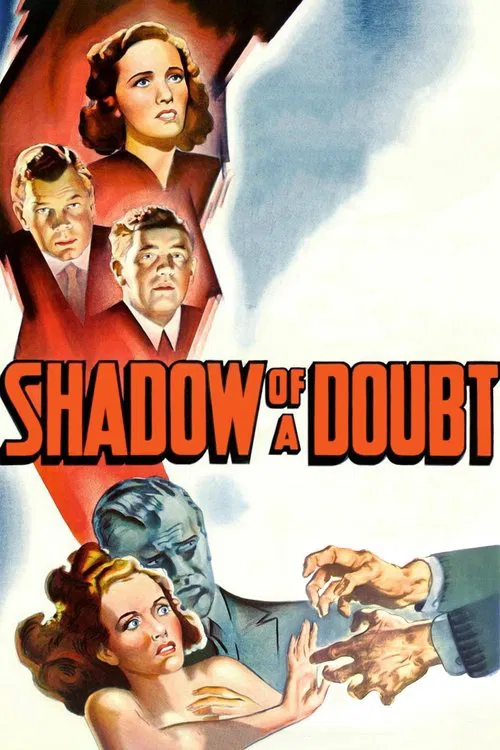
Films that share techniques with The Double Life of Véronique include Black Swan (2010), Ikiru (1952), Amadeus (1984), Shadow of a Doubt (1943).