Drama · History · Thriller

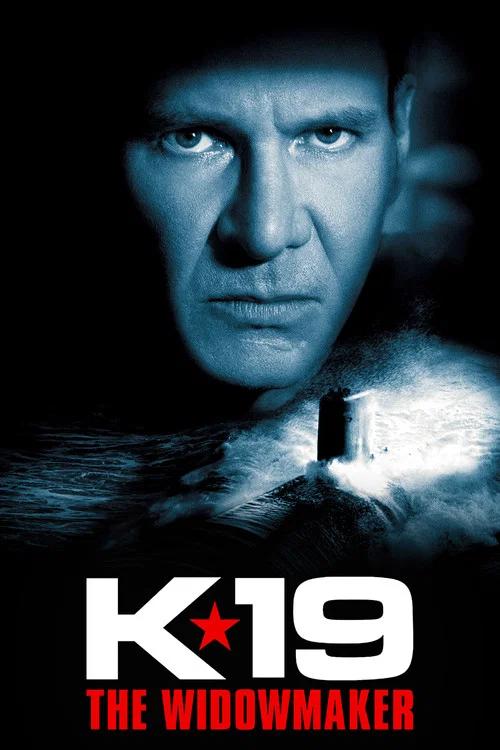
K-19: The Widowmaker

Kathryn Bigelow, 2002

In 1961, the Soviet Union launches its first nuclear ballistic missile submarine, the K-19, under a captain pushing a crew too hard. When the reactor's coolant pipe bursts, the crew has to fix it by hand, with radiation poisoning as the price. Look at how Bigelow turns a steel tube into a pressure cooker.

K-19: The Widowmaker (2002) poster

At a glance

K-19: The Widowmaker is a 2002 drama, history and thriller film directed by Kathryn Bigelow. This breakdown covers 4 techniques (2 narrative, 1 cinematography and 1 psychology), each with the scene where you can see it. If you like how it is made, Rope uses several of the same techniques.

Narrative

Ticking Clock Structure

Building the story around a clear deadline the hero must beat. The time pressure and the obstacles grow with each scene until the climax.

How this film uses it

After the coolant pipe bursts, the reactor temperature keeps rising. If it overheats, it could set off the missiles and start a war. Each repair attempt buys only a little time, and the crew knows what failure means.

Where to see it

The reactor repairs: Engineers rig a makeshift coolant system and work in shifts to limit radiation exposure, and the first team emerges vomiting and blistered.
Narrative

Institutional Honor Critique

Building the story around an institution's code of honor, often a military one, and showing the gap between what it claims and what it does. The code ends up protecting power.

How this film uses it

The Soviet system rewards pride and politics over crew safety. Vostrikov is said to have got his post through his wife's connections, and he refuses American help. At the end, the surviving crew are sworn to secrecy, which protects the state and leaves the men unrecognized.

Where to see it

The trial at the end: Vostrikov is tried for endangering the mission, and Polenin defends him, but the crew are sworn to secrecy in perpetuity.

Cinematography

Single-Location Cinematography

Shooting almost the whole film in 1 confined place. Set design and camera movement keep it visually interesting, and the space itself takes on meaning as the story goes on.

How this film uses it

Most of the story takes place inside the K-19. Narrow corridors, hatches and the reactor compartment make the world smaller with each crisis. You feel what the crew feels, that there is nowhere else to go.

Where to see it

The fire aboard: Torpedo fuel ignites a fire, and Vostrikov first orders the suppression system to be used, which would suffocate anyone in the area.

Psychology

Psychological Doubling

Pairing the main character with a second character who mirrors them. The double shows what the hero wants, fears or secretly is.

How this film uses it

Vostrikov and Polenin are two ideas of command in one boat. Vostrikov puts the mission and Soviet pride first, while Polenin puts the crew first. Each man shows the other what he could be.

Where to see it

The Arctic ice dive: Vostrikov orders the K-19 below its maximum operational depth to break through the ice at full speed, and Polenin storms off the bridge in protest.

Questions

K-19: The Widowmaker: quick answers

What filmmaking techniques does K-19: The Widowmaker use?
CineCode breaks down 4 techniques in K-19: The Widowmaker (2002): Ticking Clock Structure, Institutional Honor Critique, Single-Location Cinematography and Psychological Doubling.
Who directed K-19: The Widowmaker?
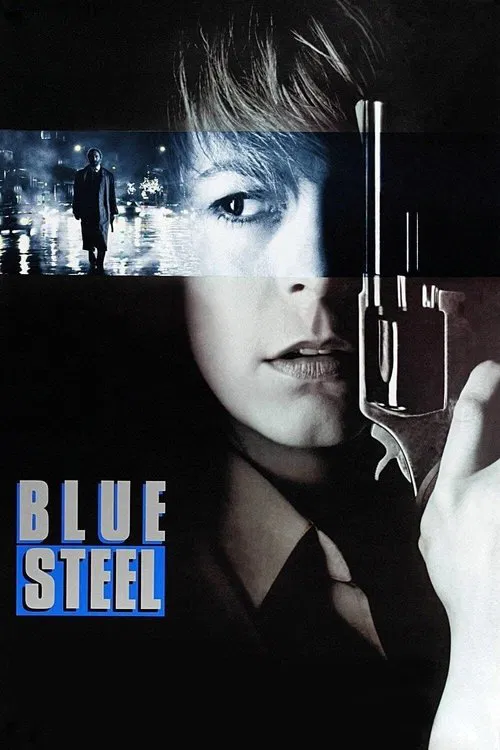
Kathryn Bigelow directed K-19: The Widowmaker, released in 2002. CineCode also covers Near Dark (1987), Blue Steel (1990), Point Break (1991), Strange Days (1995), The Hurt Locker (2008), Zero Dark Thirty (2012).
What films are similar to K-19: The Widowmaker?
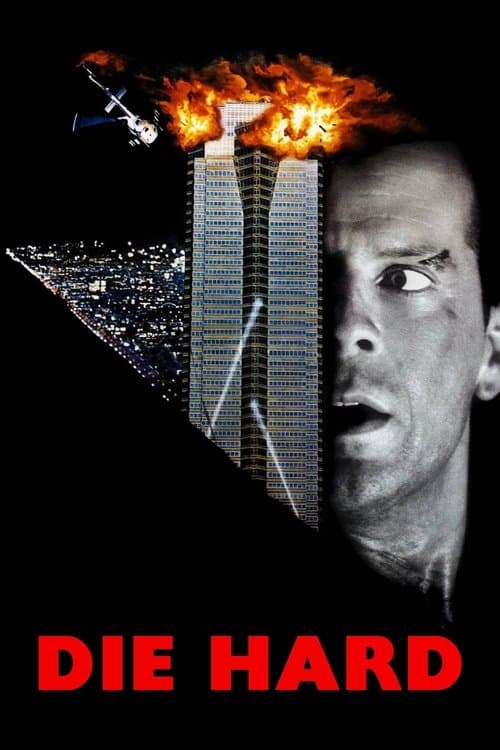
Films that share techniques with K-19: The Widowmaker include Rope (1948), The Lighthouse (2019), Grand Illusion (1937), Die Hard (1988).