Crime · Drama · Biography

Serpico

Sidney Lumet, 1973

New York cop Frank Serpico refuses the bribes everyone around him takes and tries to report the corruption. No one above him will act, and he is shot during a drug raid. Lumet films the real city across 104 locations, so the story feels like it happened on the street outside.

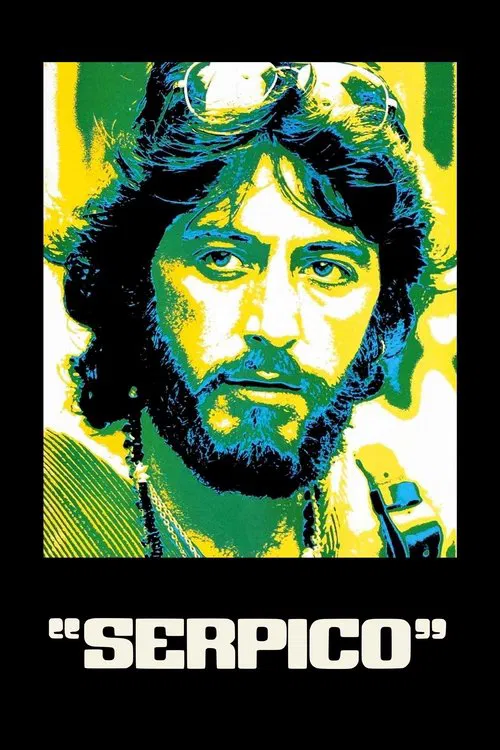
Serpico (1973) poster

At a glance

Serpico is a 1973 crime, drama and biography film directed by Sidney Lumet. This breakdown covers 4 techniques (2 narrative, 1 cinematography and 1 psychology), each with the scene where you can see it. If you like how it is made, From Here to Eternity uses several of the same techniques.

Narrative

Proleptic Opening

Starting the film by showing or telling you how it ends, such as the main character's death or defeat. The rest of the story then explains how things got there.

How this film uses it

The film opens with Serpico being rushed to the hospital after he has been shot in the face, then goes back to show how he got there. You know the cost before you see the choices.

Where to see it

The hospital opening: On the evening of February 3, 1971, Serpico is rushed to the hospital after being shot, and the film flashes back to his police academy graduation.
Narrative

Institutional Honor Critique

Building the story around an institution's code of honor, often a military one, and showing the gap between what it claims and what it does. The code ends up protecting power.

How this film uses it

The department says it protects the public, but its officers collect payoffs and expect everyone to share. Serpico's refusal makes him dangerous to people who treat the badge as a license.

Where to see it

The payoff runs: Serpico is forced to accompany officers as they collect payoffs from criminals and small businesses, and he refuses his share.

Cinematography

Real Locations as Character

Filming in recognizable real places so the setting acts like part of the cast. Streets, buildings and landscapes shape the mood of the story.

How this film uses it

Lumet shot in Harlem, the South Bronx, Bedford-Stuyvesant, Brooklyn and Queens. The streets are crowded and run-down, and the city feels like the place where this corruption lives.

Where to see it

The burglar chase: While chasing a burglar, Serpico is shot at by other officers who did not recognize him as one of their own.

Psychology

Social Isolation as Pressure

Showing a character pushed away by the people around them, one relationship at a time. The loneliness raises the pressure until every choice feels dangerous.

How this film uses it

As Serpico reports corruption, the people around him pull away. He becomes depressed, his relationship falls apart and he starts to fear his own colleagues. The loneliness is the real danger.

Where to see it

The raid: During a raid on a drug dealer's apartment, his partners hold him back at a critical moment and he is shot in the face.

Questions

Serpico: quick answers

What filmmaking techniques does Serpico use?
CineCode breaks down 4 techniques in Serpico (1973): Proleptic Opening, Institutional Honor Critique, Real Locations as Character and Social Isolation as Pressure.
Who directed Serpico?
Sidney Lumet directed Serpico, released in 1973. CineCode also covers 12 Angry Men (1957), Fail Safe (1964), Murder on the Orient Express (1974), Dog Day Afternoon (1975), Network (1976), The Verdict (1982).
What films are similar to Serpico?
Films that share techniques with Serpico include From Here to Eternity (1953), An Officer and a Spy (2019), Marie Antoinette (2006), Milk (2008).

Side by side

Compare it with