Crime · Drama · Thriller

All the Money in the World

Ridley Scott, 2017

In 1973, 16-year-old John Paul Getty III is kidnapped in Rome, and his mother Gail cannot pay the ransom. His grandfather, one of the richest men alive, refuses to hand over the money. Watch how the film uses cutting and objects to show what wealth does to a person.

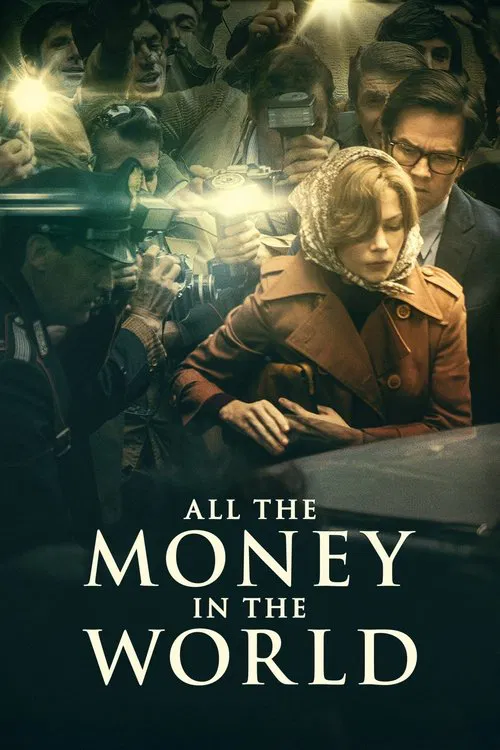
All the Money in the World (2017) poster

At a glance

All the Money in the World is a 2017 crime, drama and thriller film directed by Ridley Scott. This breakdown covers 4 techniques (3 narrative and 1 editing), each with the scene where you can see it. If you like how it is made, Burning uses several of the same techniques.

Narrative

Ticking Clock Structure

Building the story around a clear deadline the hero must beat. The time pressure and the obstacles grow with each scene until the climax.

How this film uses it

The ransom demand turns the story into a race. Time passes in months, and each new development, such as a lower ransom figure or a mailed ear, raises the pressure. You feel how little time Paul may have.

Where to see it

The ear: The kidnappers cut off one of Paul's ears and mail it to a newspaper, which forces the family to move faster.

Narrative

Ambiguous Antagonist

Writing an opponent the film never fully labels as evil. Their motives mix ordinary human wants with real harm, and they may even help the hero grow.

How this film uses it

One of Paul's captors, Cinquanta, is a criminal who also shows Paul some kindness. The film never turns him into a simple monster. That makes the climax, where he helps Paul get away, feel earned.

Where to see it

The escape: In the town of Lauria, Paul runs for his life, and Cinquanta attacks a pursuing criminal so that Paul can get away.

Editing

Parallel Crosscutting

Alternating between simultaneous lines of action in different places or worlds. The cuts build suspense or draw a comparison between the threads.

How this film uses it

The film switches between Paul in captivity and Gail and the negotiator in Rome and elsewhere. You know how he is suffering while they argue over money. That gap is where most of the tension comes from.

Where to see it

The negotiation: While Paul is held in southern Italy, scenes cut to Gail and Fletcher Chace trying to bring the kidnappers and Getty to terms.

Narrative

Symbolic Object

Returning to the same physical object again and again until it means more than what it is. It moves the plot and also stands for the film's main ideas.

How this film uses it

Getty is shown among his art and antiques, and he handles them with great care. Set beside his coldness about the ransom, the objects suggest he trusts things more than people. That is one way to read his refusal to pay.

Where to see it

Getty at home: The billionaire explains why he will not pay the ransom while surrounded by his collection of art.

Questions

All the Money in the World: quick answers

What filmmaking techniques does All the Money in the World use?
CineCode breaks down 4 techniques in All the Money in the World (2017): Ticking Clock Structure, Ambiguous Antagonist, Parallel Crosscutting and Symbolic Object.
Who directed All the Money in the World?
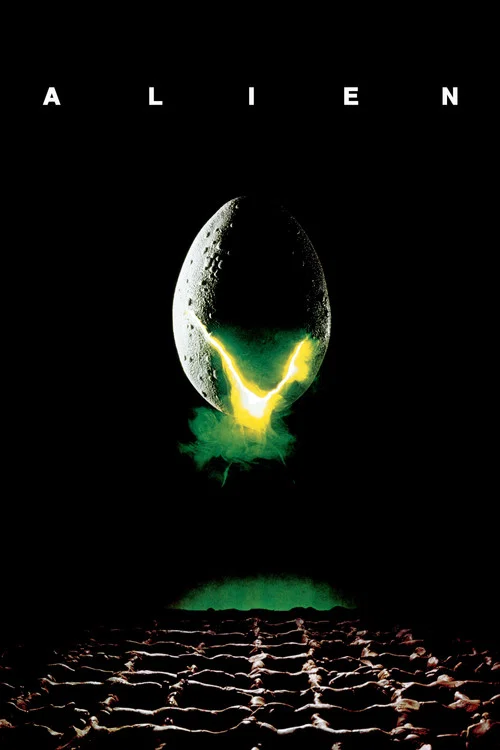
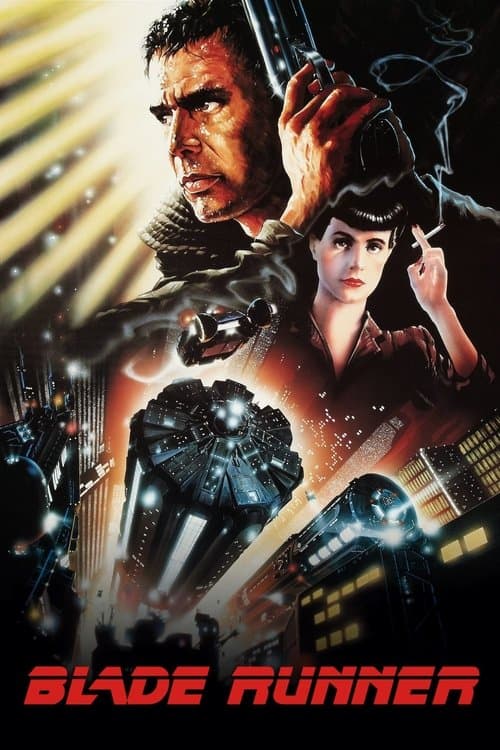
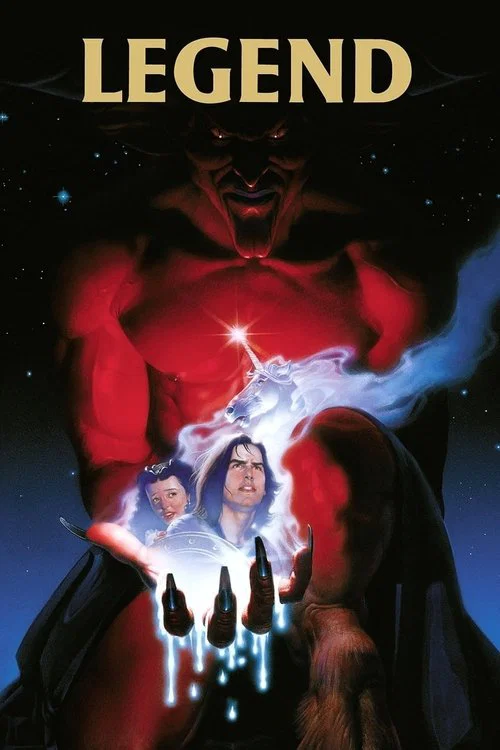
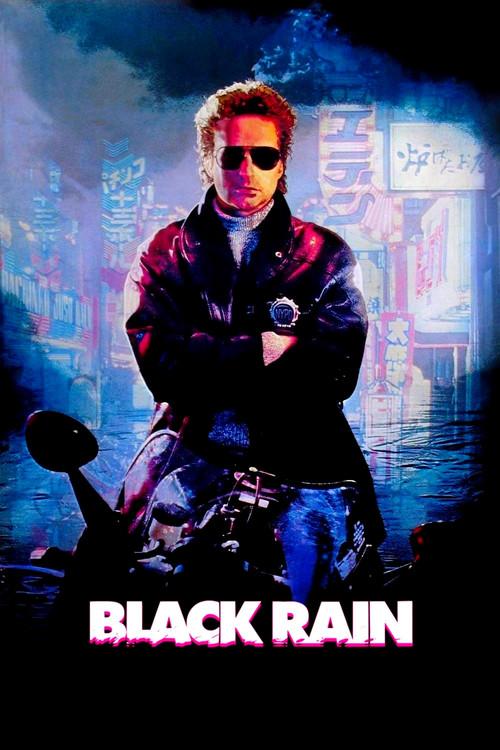
Ridley Scott directed All the Money in the World, released in 2017. CineCode also covers The Duellists (1977), Alien (1979), Blade Runner (1982), Legend (1985), Black Rain (1989), Thelma & Louise (1991).
What films are similar to All the Money in the World?
Films that share techniques with All the Money in the World include Burning (2018), A House of Dynamite (2025), Babel (2006), Not Without Hope (2025).