Drama

Babel

Alejandro González Iñárritu, 2006

A rifle sold in Morocco ties together four stories in Morocco, Japan, Mexico and the United States. A shot at a tour bus changes the lives of a tourist couple, a Mexican nanny, a deaf teenager and two goat-herding boys. It is worth watching for how far one small act can ripple.

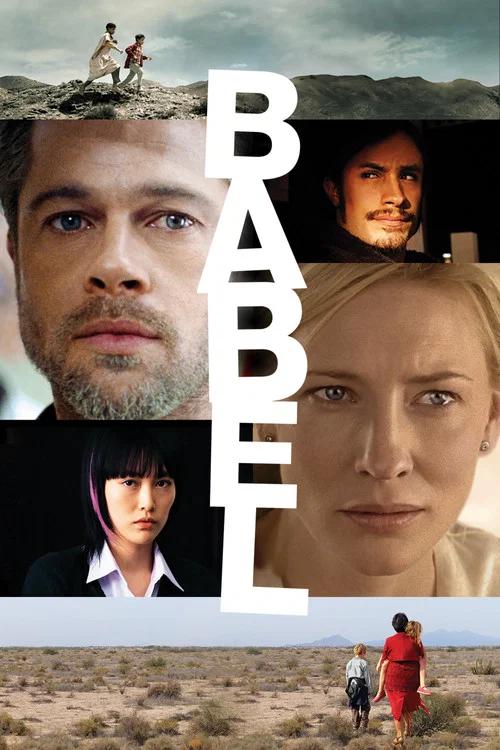
Babel (2006) poster

At a glance

Babel is a 2006 drama film directed by Alejandro González Iñárritu. This breakdown covers 5 techniques (2 narrative, 1 editing and 2 sound), each with the scene where you can see it. If you like how it is made, Lust, Caution uses several of the same techniques.

Narrative

Non-Linear Narrative

Telling the story out of order by jumping between time periods. The order you see events in changes how you understand them.

How this film uses it

The four stories are not told in order, and you learn how they connect as the film goes on. You start with strangers and slowly see the rifle that links them. The puzzle makes you pay attention to every thread.

Where to see it

Scrambled timeline: the film tells its stories out of chronological order. As it unfolds, the audience learns how the plots are intertwined.

Editing

Parallel Crosscutting

Alternating between simultaneous lines of action in different places or worlds. The cuts build suspense or draw a comparison between the threads.

How this film uses it

The film cuts between Morocco, Japan, San Diego and Mexico. The cuts let you compare people who have never met. Fear and worry in one place echo in another.

Where to see it

Four settings: the film alternates between the shot tourist in Morocco, the nanny and the children near Tijuana, the goat-herders and the deaf girl in Japan.

Narrative

Symbolic Object

Returning to the same physical object again and again until it means more than what it is. It moves the plot and also stands for the film's main ideas.

How this film uses it

The rifle moves from hand to hand, and every owner is tied to the harm that follows. A hunting gift from a Japanese tourist ends up with two boys in Morocco. It stands for how one choice reaches far beyond the person who made it.

Where to see it

The rifle's journey: Yasujiro gives his rifle to Hassan, his hunting guide. Hassan sells it to Abdullah, who gives it to his sons, and Susan is shot with it.

Sound

Subjective Sound Perspective

Shaping volume and clarity to match what a character is feeling or focused on. You hear the scene as they do, including sounds that trigger memory or fear.

How this film uses it

Chieko is deaf, and the film puts you in her world. In a nightclub with strobe lights and flashing colors, the film shows how she senses things differently. It makes you feel her isolation instead of only hearing about it.

Where to see it

Nightclub: Chieko, a deaf teenage girl, goes to a nightclub filled with strobe lights and flashing colors. The scene was so intense that Japanese distributors added a health warning.

Sound

Cross-Cultural Music

Mixing musical traditions from different cultures or languages in one soundtrack. The blend adds a sense of place or playful displacement.

How this film uses it

Gustavo Santaolalla's score won the Academy Award for Best Original Score. The film ends with Ryuichi Sakamoto's song Bibo no Aozora. The mix of sounds helps the four countries feel like one story.

Where to see it

Closing scene: the film's closing scene features Bibo no Aozora by Ryuichi Sakamoto. Chieko stands with her father on the balcony as he comforts her.

Questions

Babel: quick answers

What filmmaking techniques does Babel use?
CineCode breaks down 5 techniques in Babel (2006): Non-Linear Narrative, Parallel Crosscutting, Symbolic Object, Subjective Sound Perspective and Cross-Cultural Music.
Who directed Babel?
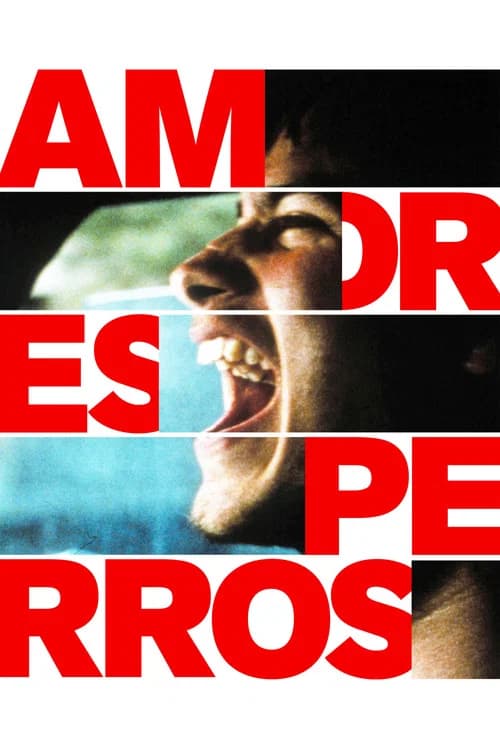
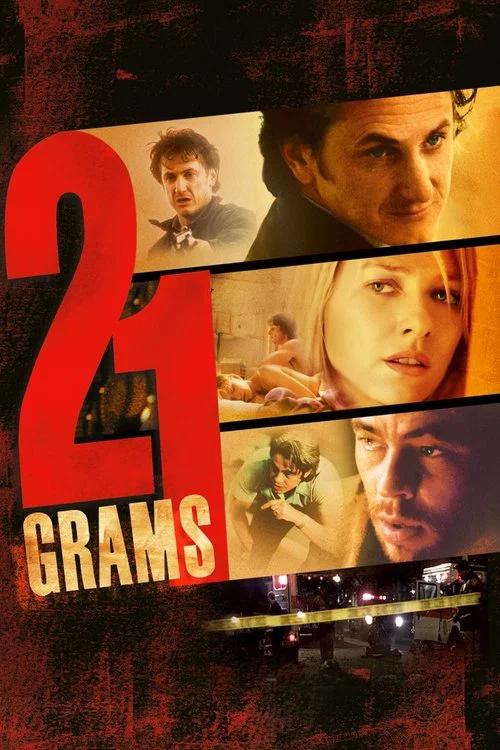
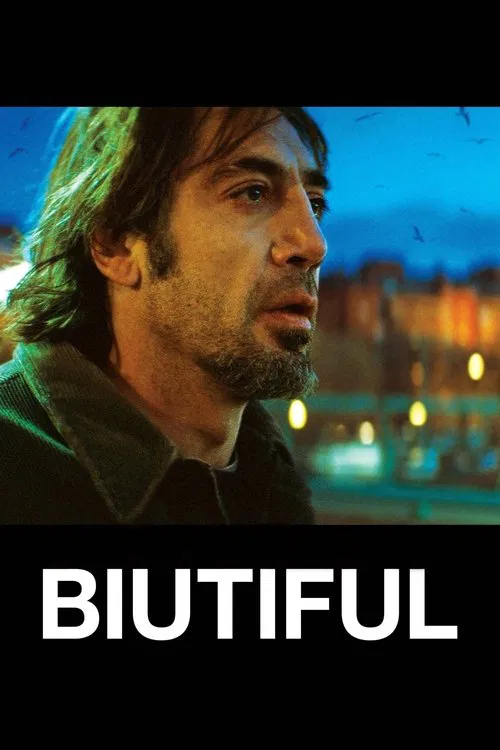
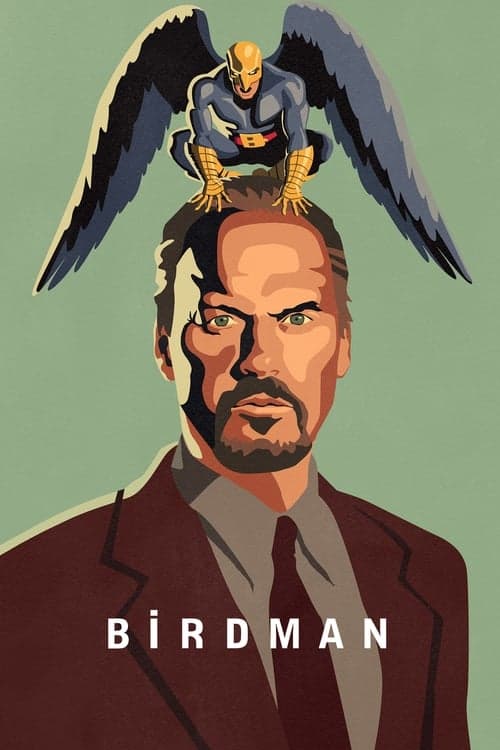
Alejandro González Iñárritu directed Babel, released in 2006. CineCode also covers Amores Perros (2000), 21 Grams (2003), Biutiful (2010), Birdman or (The Unexpected Virtue of Ignorance) (2014), Digger (2026).
What films are similar to Babel?
Films that share techniques with Babel include Lust, Caution (2007), Lady Vengeance (2005), All the Money in the World (2017), Inception (2010).