Drama · Romance

Wonder Wheel

Woody Allen, 2017

In early 1950s Coney Island, a lifeguard who dreams of writing plays gets tangled up with Ginny, a worn-down waitress, and then with her husband's estranged daughter Carolina. It is a small, bitter love story told on a boardwalk. As a filmmaker, watch how the lighting and the narrator set the mood.

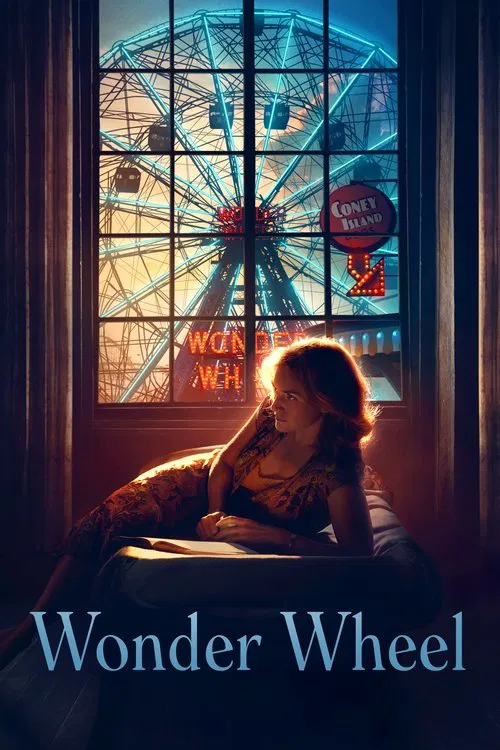
Wonder Wheel (2017) poster

At a glance

Wonder Wheel is a 2017 drama and romance film directed by Woody Allen. This breakdown covers 5 techniques (3 narrative, 1 cinematography and 1 psychology), each with the scene where you can see it. If you like how it is made, I Confess uses several of the same techniques.

Narrative

Direct Address

Having a character look into the camera and speak to the audience, also called breaking the fourth wall. It makes you feel like their confidant and reminds you this is a film.

How this film uses it

Mickey, the lifeguard, talks to you as the narrator and comments on the people around him, including his own wish to be a playwright. He treats the boardwalk as a stage and you as the audience. It also pushes you to wonder how much of his version to trust.

Where to see it

Early boardwalk scenes: Mickey introduces the Coney Island crowd and the Rannell family to you, then steps back into the story.
Narrative

Romantic Triangle Geometry

Building a love story around 3 people, where each pair has its own relationship and the third person always gets in the way. Your sympathy shifts because each of them has a fair claim.

How this film uses it

Ginny has an affair with Mickey, and then Mickey falls for Carolina. Each pair has its own history, and the third person is always in the way. You feel for Ginny and for Carolina, which makes the jealousy hard to judge.

Where to see it

The pizza parlor date: Mickey and Carolina go out in Brooklyn, and word of it reaches the gangsters hunting her.

Cinematography

Amber Color Grading

Tinting the image in warm amber, gold or orange. Depending on the film, the glow can feel nostalgic and old-world or sickly, as if home comforts are under threat.

How this film uses it

Critics praised cinematographer Vittorio Storaro's warm, golden look for the amusement park. The glow makes the boardwalk feel inviting, which sits oddly against how stuck the characters are. On one reading, the beauty is the lure that keeps Ginny in place.

Where to see it

Boardwalk and park scenes: the sun, the rides and the apartment windows all carry the same gold and orange light.

Narrative

Dramatic Irony

Letting the audience know something a character doesn't. You watch them act without that knowledge, which creates suspense, dread or dark comedy.

How this film uses it

You know Ginny is cheating on Humpty and that Carolina is in danger, while Humpty carries on with his routines. Each scene of family normality gets tenser because you hold the facts he lacks.

Where to see it

The boardwalk family scenes: Humpty goes about his days with Ginny, who is hiding her affair with Mickey.

Psychology

Betrayal and Withheld Truth

Driving drama from what one person hides from or fails to do for another. Loyalty goes unrewarded and silence works like betrayal.

How this film uses it

Ginny phones to warn Carolina but freezes and hangs up. The scene makes you see her jealousy and her fear at once, and the harm that follows grows from a single missing sentence.

Where to see it

The warning call: Ginny learns that the gangsters know about Carolina's date, dials her, and hangs up without speaking.

Questions

Wonder Wheel: quick answers

What filmmaking techniques does Wonder Wheel use?
CineCode breaks down 5 techniques in Wonder Wheel (2017): Direct Address, Romantic Triangle Geometry, Amber Color Grading, Dramatic Irony and Betrayal and Withheld Truth.
Who directed Wonder Wheel?
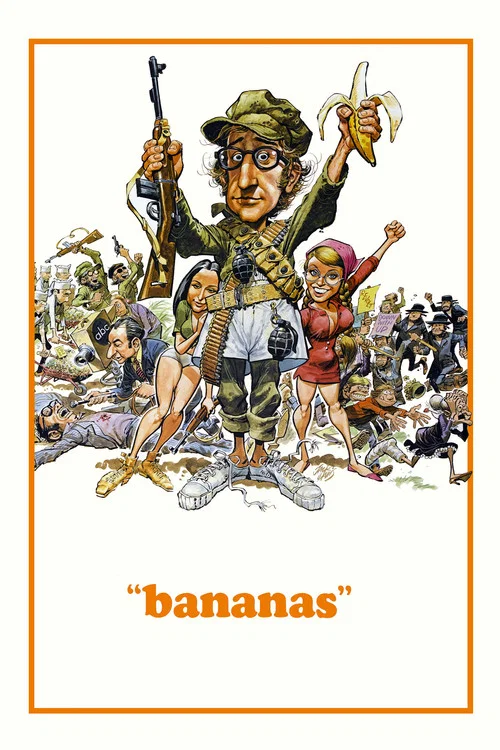
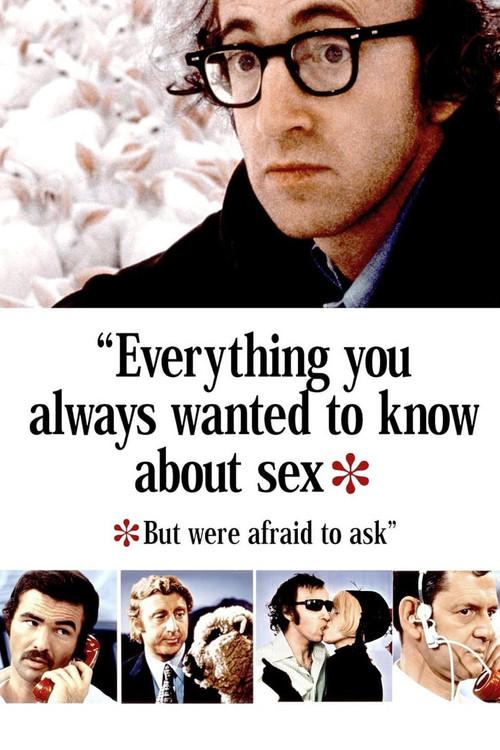
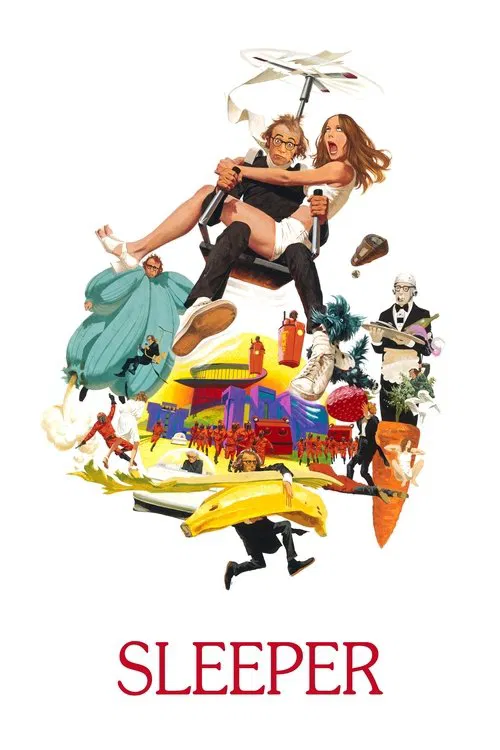
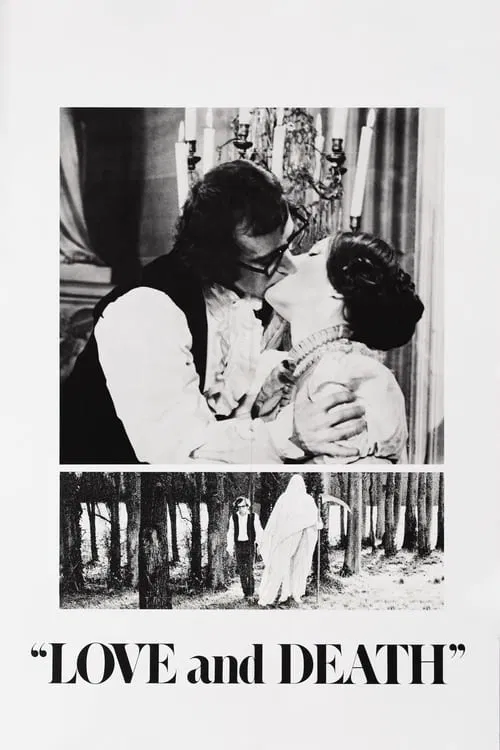
Woody Allen directed Wonder Wheel, released in 2017. CineCode also covers Take the Money and Run (1969), Bananas (1971), Everything You Always Wanted to Know About Sex *But Were Afraid to Ask (1972), Sleeper (1973), Love and Death (1975), Annie Hall (1977).
What films are similar to Wonder Wheel?
Films that share techniques with Wonder Wheel include I Confess (1953), Torn Curtain (1966), Always (1989), Ain't Them Bodies Saints (2013).